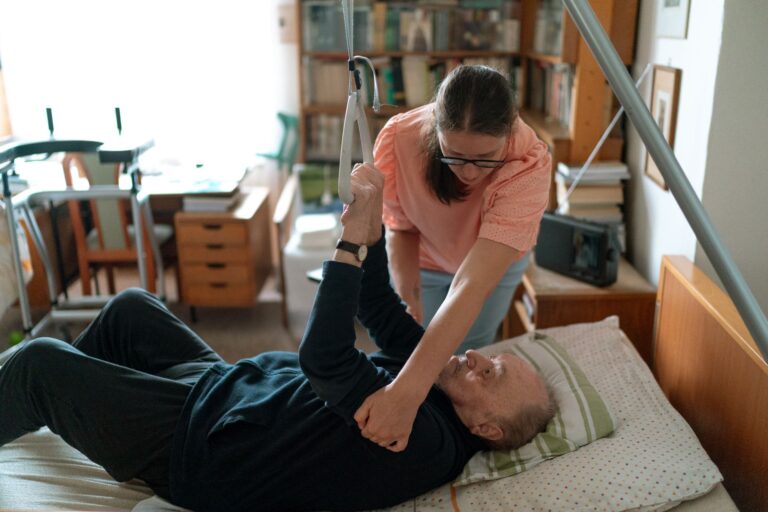
Immediate returns sits at the center of this dementia and brain health question.
Why We Need Immediate Returns on Emotional Investment
When we talk about emotional investment, it’s not just about money or stocks. It’s about the feelings and energy we put into relationships, projects, or even personal goals. We often want to see quick results from these emotional efforts because our emotions crave reassurance and validation right away.
One big reason for wanting immediate returns is that emotions are powerful but also fragile. When you invest your feelings—whether in a friendship, a job, or a hobby—you naturally hope to feel appreciated or successful soon after. If nothing positive happens quickly, doubt and frustration can creep in. This can make us pull back emotionally before the real benefits have had time to grow.
Another factor is how our brains are wired for instant feedback. In today’s fast-paced world with constant notifications and instant gratification everywhere, waiting feels harder than ever. Immediate emotional returns help us stay motivated; they act like small rewards that encourage us to keep going rather than giving up too soon.
However, this need for quick payoff can sometimes lead us astray if we expect too much too fast without patience. For example, in investing money based on emotion alone—like buying stocks because of excitement or fear—we often end up making poor decisions by reacting impulsively instead of thinking long term.
Still, when it comes to emotional investments outside finance—like building trust with someone—it makes sense why immediate positive signals matter so much: they build confidence that what you’re putting in is worthwhile and will continue to grow over time.
In short, immediate returns on emotional investment serve as vital checkpoints that reassure us our efforts are meaningful and encourage persistence through challenges ahead. Without them, it’s easy to lose faith early on—even if something great might be developing beneath the surface unseen at first glance.
For more, see Alzheimer’s Association — medical tests.