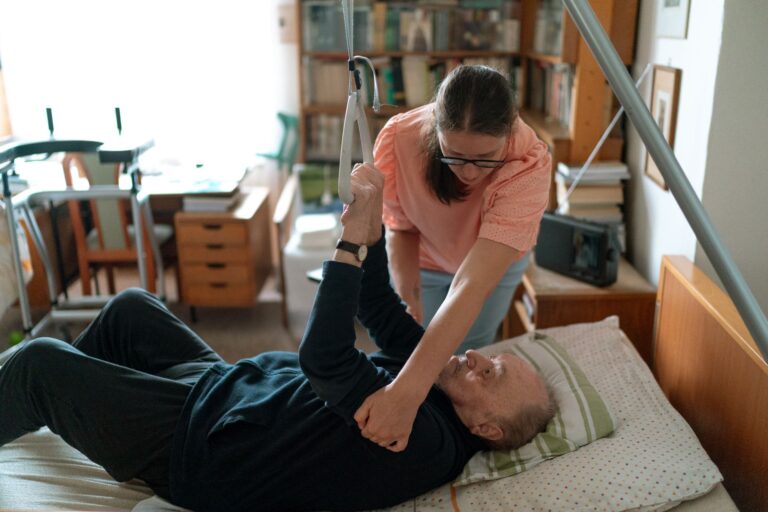
Disrupt instead sits at the center of this dementia and brain health question.
Why We Disrupt Instead of Nurture
Sometimes, instead of nurturing growth and well-being, people end up disrupting it. This happens in families, schools, workplaces, and even within ourselves. But why do we often choose disruption over nurturing?
One reason is stress and pressure. When parents or caregivers are overwhelmed by stress—whether from work, finances, or their own emotional struggles—they may unintentionally create a chaotic environment at home. This chaos can lead to disruptive behaviors in children because the safe space they need to feel secure becomes unstable. Instead of feeling supported and nurtured, kids might react with frustration or acting out simply because their foundation feels shaky.
Another factor is how we respond to mistakes or challenges. Sometimes people focus more on what’s wrong rather than what’s strong about someone—especially children. For example, when a child misbehaves or doesn’t meet expectations, the response might be punishment or criticism instead of encouragement and understanding. This approach disrupts confidence and self-esteem rather than nurturing them.
We also tend to disrupt when we rely too much on control as a way to keep things orderly. Setting boundaries is important but if done harshly without empathy or connection, it can trigger resistance and emotional distress rather than cooperation.
On a deeper level, many adults carry an “inner critic” learned from their own upbringing—a voice inside that pushes them hard by criticizing mistakes before others do. While this inner critic was once meant as protection—to avoid disapproval—it often leads us to be overly critical with others too instead of offering kindness and support.
Nurturing requires patience and connection: spending time listening closely to needs without rushing judgment; encouraging exploration while providing safety; focusing on strengths alongside areas for growth; managing our own emotions so they don’t spill over negatively onto others.
Disruption tends to happen when these elements are missing—when stress overwhelms care; when criticism replaces encouragement; when control overshadows compassion; when old patterns repeat without awareness.
Choosing nurture means choosing understanding over reaction; calmness over chaos; support over judgment—and that choice makes all the difference in helping people thrive rather than just survive amid life’s challenges.
For more, see Alzheimer’s Association — caregiving.