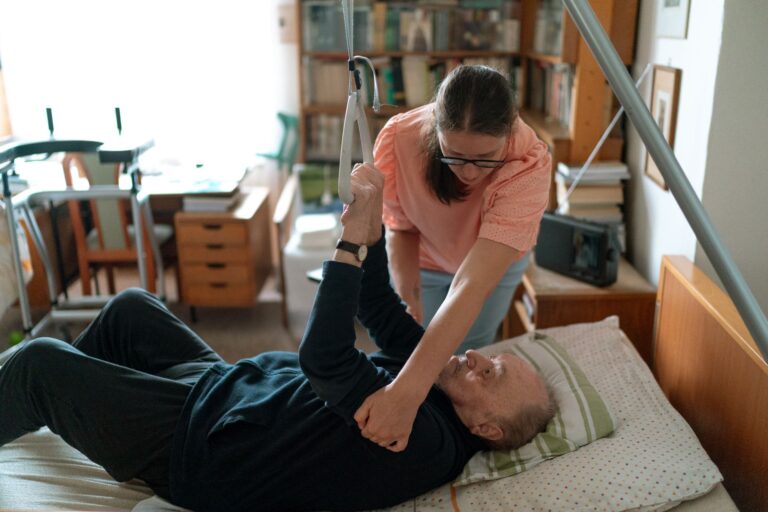
Pain anymore sits at the center of this dementia and brain health question.
Pain is something everyone experiences at some point, but these days, many people find it harder to simply sit with pain and let it be. Why is that? Why can’t we just tolerate pain like before?
One big reason is the nature of chronic pain itself. Unlike a quick injury or a short illness, chronic pain sticks around for months or even years. It’s not just physical discomfort; it often changes how the brain works. Sometimes the nervous system becomes overly sensitive, making even small sensations feel painful. This means people can suffer from intense pain without any clear injury or cause they can point to.
This kind of persistent pain affects more than just the body—it takes a toll on emotions too. When someone lives with ongoing pain, they often face anxiety about what might happen next: Will it get worse? Will I lose my ability to do things I love? These “what if” thoughts spiral into constant worry that makes coping even harder.
At the same time, there’s grief involved—grief for what has been lost because of the pain. People may no longer be able to work, exercise, or enjoy social activities as before. This loss leads to sadness and depression as they adjust to a new reality where their bodies don’t cooperate like they used to.
Another factor making it hard to “sit with” pain is how society views and treats those who suffer from it. Many people with chronic pain feel misunderstood or dismissed by doctors and others around them because their condition isn’t always visible or easy to explain. Some are accused unfairly of exaggerating symptoms or seeking drugs when all they want is relief and understanding.
On top of this emotional burden comes frustration over treatment options that often fall short—medications may only reduce some discomfort but come with side effects and risks like dependence on opioids or liver damage from common drugs taken long-term.
All these layers—the physical intensity of chronic pain itself combined with emotional distress, social misunderstanding, and imperfect treatments—make sitting quietly through the experience almost impossible for many today.
In earlier times or different cultures where life was slower paced and less medicalized, perhaps there was more space for accepting suffering as part of life’s journey without constant intervention or judgment. But now our fast-moving world demands quick fixes; we expect immediate relief rather than enduring hardship patiently.
So when someone says “I can’t sit with my pain anymore,” what lies beneath those words isn’t weakness but a complex mix: an overwhelmed nervous system signaling distress loudly; an anxious mind fearing loss; a grieving heart mourning abilities once taken for granted; frustration at being doubted; exhaustion from treatments that only partly help—all converging in one human experience too heavy to bear silently alone anymore.
For more, see National Institute on Aging.