Reviewed by the Help Dementia Editorial Team — our editors review every article for accuracy against guidance from the National Institute on Aging, the Alzheimer’s Association, and peer-reviewed sources.
Treating sleep sits at the center of this dementia and brain health question.
Treating sleep apnea matters more than medication for brain health because it addresses the root cause of neurological damage rather than just managing symptoms. When you have untreated obstructive sleep apnea, your brain is starved of oxygen repeatedly throughout the night—sometimes hundreds of times per night—causing physical changes in brain tissue that no pill can reverse. These changes accumulate over years, contributing to memory loss, cognitive decline, and increased risk of dementia. Unlike medications that may help manage memory problems after they develop, treating sleep apnea can actually prevent and even reverse the brain damage that leads to cognitive decline in the first place. Consider the case of a 58-year-old accountant who struggled with afternoon fatigue and difficulty concentrating at work.
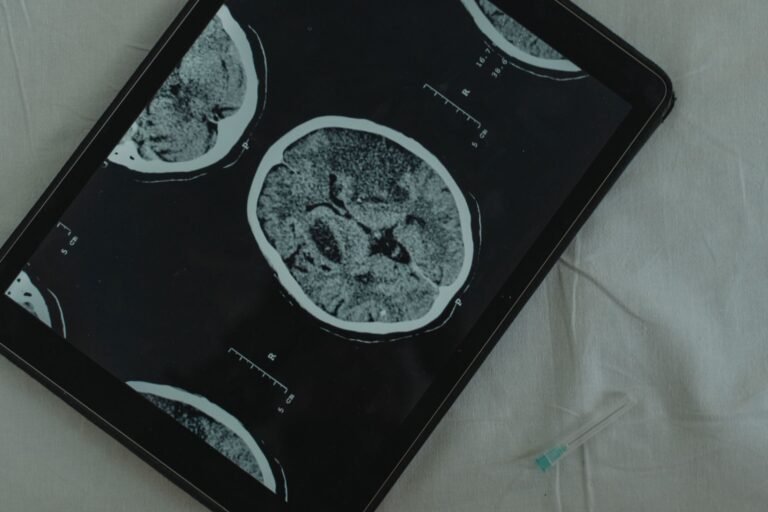
He attributed his foggy thinking to aging and stress, never suspecting that his untreated sleep apnea was silently damaging his brain’s white matter—the neural pathways that connect different brain regions. After starting CPAP therapy, within a year his cognitive abilities had improved noticeably, and brain scans showed his white matter damage had almost entirely reversed. Had he waited until memory loss became obvious, waiting for medication to help, the damage might have progressed further. The distinction is critical: sleep apnea treatment fixes the problem at its source, while medication attempts to manage the consequences. With 10-30% of American adults currently affected by obstructive sleep apnea—and projections showing 77 million will have the condition by 2050—understanding this difference could reshape how we approach brain health and dementia prevention.
Table of Contents
- How Sleep Apnea Damages the Brain More Severely Than We Once Realized
- The Dementia Connection: Why Sleep Apnea Is a Major, Modifiable Risk Factor
- How CPAP Treatment Reverses Brain Damage in Ways Medication Cannot
- Why Treating the Cause Beats Managing the Symptoms
- The Diagnostic Gap and Barriers to Treatment
- The Role of Age and Sleep Apnea in Accelerated Brain Aging
- The Future of Sleep Apnea Treatment and Brain Health Prevention
- Conclusion
How Sleep Apnea Damages the Brain More Severely Than We Once Realized
sleep apnea doesn’t just make you tired. Each breathing interruption creates a cascade of brain-damaging events. When your airway collapses during sleep, oxygen levels plummet. Your brain responds with arousal—a jolt that fragments your sleep and triggers inflammation. Over time, this repeated oxygen deprivation causes measurable changes in brain tissue, particularly in the white matter, which connects different brain regions and is essential for memory, attention, and decision-making. Recent research from UC Irvine has uncovered particularly alarming effects during REM sleep, when most vivid dreaming and memory consolidation occur.
When oxygen dips during REM sleep apnea, the entorhinal cortex—one of the first brain regions damaged in Alzheimer’s disease—begins to thin. Simultaneously, memory retention deteriorates overnight. This is not just poor sleep quality; it’s structural brain damage happening in real time. The cognitive deficits are immediate and measurable: people with untreated sleep apnea show impairment in attention, vigilance, episodic memory, working memory, and executive function. A person might forget where they parked their car, struggle to follow conversations, or lose the ability to organize their day. The tragedy is that these changes often go unnoticed until they compound. Many people attribute fuzzy thinking to normal aging or stress, never realizing that their nightly oxygen drops are rewiring their brains in harmful ways.

The Dementia Connection: Why Sleep Apnea Is a Major, Modifiable Risk Factor
The link between sleep apnea and dementia is no longer theoretical. A February 2025 meta-analysis published in the Journal of Neurology analyzed data from 39 cohort studies and found that untreated sleep apnea increases the risk of all-cause dementia by 33%. For Alzheimer’s disease specifically, the risk jumps by 45%. These aren’t small numbers—they’re comparable to the increased risk from known genetic risk factors. What makes this finding so significant is that sleep apnea is treatable. Unlike genetic predisposition to Alzheimer’s, which you cannot change, sleep apnea can be addressed directly.
Yet many people remain undiagnosed or diagnosed but untreated. Some struggle with CPAP compliance; others don’t fully understand the stakes. The limitation here is crucial: even knowing about the dementia risk doesn’t automatically lead to treatment, and some patients find CPAP machines uncomfortable or inconvenient. However, for those who do treat their sleep apnea, the dementia risk reduction is substantial. The window for intervention matters too. The brain damage from sleep apnea accumulates gradually, but it doesn’t become irreversible overnight. treating sleep apnea in your 50s or 60s can prevent years of silent neurological decline before cognitive symptoms emerge.
How CPAP Treatment Reverses Brain Damage in Ways Medication Cannot
One of the most encouraging findings in recent sleep medicine is that CPAP therapy—the gold-standard treatment using a mask and machine to keep the airway open—can actually reverse white matter damage. After just 12 months of consistent CPAP use, brain scans show that the white matter damage caused by sleep apnea can almost entirely repair itself. This is not damage management; it’s restoration. Beyond structural recovery, cognitive function improves dramatically. Patients who use CPAP consistently for one year show significant gains in attention, memory, and executive function—the mental processes needed for planning, decision-making, and problem-solving.
One particularly striking finding comes from Yale Medicine: the cognitive benefit of CPAP therapy in patients with a higher arousal threshold is comparable to the acute effect of drinking coffee. That means nightly CPAP use provides ongoing cognitive enhancement. Additionally, CPAP reduces irregularities in the parietal region of the brain, which serves as a memory center, and improves procedural memory—the kind of memory needed to learn new skills or routines. The specificity of these improvements matters. This isn’t vague talk of “feeling better.” These are measurable changes in brain structure and measurable improvements in how the brain functions. For comparison, many dementia medications available today slow cognitive decline by small percentages; CPAP therapy can reverse actual brain damage.

Why Treating the Cause Beats Managing the Symptoms
The fundamental difference between treating sleep apnea and relying on medication is the difference between fixing a leak and mopping up the water. Medications for cognitive decline—whether for memory problems, attention issues, or early-stage dementia—work by attempting to preserve remaining function or slightly slow decline. They do not address the underlying cause. Sleep apnea treatment eliminates the cause. Consider the practical implications: a person with untreated sleep apnea might eventually need medications to manage memory loss, medications for attention, potentially medications for mood changes that develop as cognitive decline progresses. Meanwhile, their brain continues to sustain nightly oxygen deprivation.
A person who treats their sleep apnea stops that damage in its tracks and can often avoid needing those medications at all. The cost difference is substantial, both in terms of expense and in terms of the burden of managing multiple medications. There’s a trade-off to acknowledge: CPAP treatment requires consistent use, sometimes multiple nights per week for life. Some people find it bothersome. Others benefit from alternative treatments like oral appliances or, increasingly, from newer medical interventions. A March 2026 European trial found that a drug called sulthiame reduced breathing interruptions by up to 47% in moderate-to-severe sleep apnea patients while improving oxygen levels—offering hope for those who cannot tolerate CPAP. However, even with these newer options, the principle remains: treating sleep apnea addresses the root cause, while medication addresses symptoms that may never need to develop in the first place.
The Diagnostic Gap and Barriers to Treatment
A major challenge in sleep medicine is that many people with sleep apnea don’t know they have it. The condition often develops quietly—the person with the untreated sleep apnea experiences fragmented sleep but may not realize it. Their bed partner notices the snoring and breathing pauses, but the patient themselves might not feel severely tired or might attribute daytime fatigue to other causes. This diagnostic gap means brain damage can progress for years before treatment begins. Even among those diagnosed, compliance is a significant barrier. CPAP machines have improved substantially over the years—newer models are quieter, lighter, and easier to tolerate—but they still require adjustment and nightly use. Some patients discontinue treatment because of discomfort, difficulty adjusting to the mask, or simply forgetting the importance of consistent use.
Insurance coverage varies, making the therapy less accessible for some. The warning here is critical: a sleep apnea diagnosis in your medical record means nothing if you don’t actually use the treatment. The gap between diagnosis and effective, consistent treatment is where preventable brain damage still occurs. For those struggling with standard CPAP, alternatives exist. Oral appliances that reposition the jaw to keep the airway open work well for mild to moderate sleep apnea. Positional therapy—sleeping on your side rather than your back—can help some people. Weight loss improves or resolves sleep apnea for many patients. The goal is finding a treatment approach that works for each individual and maintaining it consistently.

The Role of Age and Sleep Apnea in Accelerated Brain Aging
Age and sleep apnea interact in troubling ways. As we age, the brain naturally experiences some decline in white matter quality. Sleep apnea accelerates this process dramatically. An untreated 60-year-old with sleep apnea may have white matter that resembles that of a much older person.
This is not just about cognitive function—it affects balance, mood, and risk of stroke as well. The brain changes associated with sleep apnea create a kind of premature aging in neural tissue. This is particularly relevant for people with family histories of dementia or cognitive decline. If dementia runs in your family, treating sleep apnea becomes even more critical because you’re removing one of the major modifiable risk factors that can accelerate a genetic predisposition. A person in their 50s with sleep apnea and a parent who developed Alzheimer’s in their 70s has an opportunity to intervene before cognitive problems emerge.
The Future of Sleep Apnea Treatment and Brain Health Prevention
The landscape of sleep apnea treatment is evolving beyond traditional CPAP. The sulthiame trial represents a shift toward medication-based approaches that directly address the physiology of sleep apnea rather than just managing symptoms. If such medications become widely available, they could expand treatment options significantly.
However, the principle remains unchanged: the goal is restoring adequate oxygen flow to the brain and preventing the damage that leads to cognitive decline. Looking ahead, the projection that 77 million Americans will have sleep apnea by 2050 is both a warning and a call to action. Early screening, diagnosis, and aggressive treatment could prevent millions of cases of dementia in the coming decades. As understanding grows about the dementia-sleep apnea connection, sleep apnea diagnosis may become a standard part of dementia prevention strategies, similar to how blood pressure management is now routine for cardiovascular health.
Conclusion
Treating sleep apnea matters more than relying on future medication for cognitive decline because it prevents the damage from happening in the first place. The evidence is clear: untreated sleep apnea causes measurable brain damage, significantly increases dementia risk, and this damage can be reversed with consistent treatment. CPAP therapy restores white matter integrity, improves cognitive function, and can be comparable in cognitive benefit to daily stimulants—all while preventing the long-term neurological decline that medications can only partially address after the fact.
If you snore, wake gasping for air, experience excessive daytime sleepiness, or have a family history of cognitive decline, getting a sleep apnea evaluation is one of the most direct actions you can take for brain health. The time to treat sleep apnea is not after memory problems appear—it’s now, before silent damage accumulates. Talk with your doctor about a sleep study, discuss treatment options that fit your lifestyle, and commit to consistent use. Your future cognitive health may depend on the sleep quality you protect today.
You Might Also Like
- Why deep breathing Matters More Than Medication for Brain Health
- Why deep breathing Matters More Than Medication for Brain Health
- Why getting 7 hours of sleep Matters More Than Medication for Brain Health
For more, see NIH MedlinePlus — dementia.