A single infant, known publicly as KJ, is the reason genetic medicine will never be the same. Born with carbamoyl phosphate synthetase 1 deficiency — an ultra-rare urea cycle disorder that kills roughly half the children it touches — KJ became the world’s first patient to receive a personalized CRISPR gene editing therapy on February 25, 2025, at Children’s Hospital of Philadelphia. The treatment used base editing delivered via lipid nanoparticles to correct the specific faulty enzyme in KJ’s liver, and the entire development process from lab models to clinical application took just six months. KJ is now walking and talking. That sentence alone should rewrite your assumptions about what medicine can do for conditions once considered untreatable.
But KJ’s story is not an isolated breakthrough. It sits at the center of a broader shift in how we treat rare metabolic conditions — and, critically, how these advances ripple outward into fields like neurology and dementia care. The FDA’s new “plausible mechanism” framework, issued in February 2026, now allows full marketing authorization for individualized therapies when traditional clinical trials are impossible due to tiny patient populations. Meanwhile, the November 2025 approval of REDEMPLO (plozasiran), the first siRNA drug for familial chylomicronemia syndrome, proved that gene-silencing therapies can reach the market and reach patients. This article examines what these developments mean for genetic medicine broadly, why brain health researchers are paying close attention, and where the real limitations still lie.
Table of Contents
- What Rare Metabolic Drug Breakthroughs Mean for the Future of Genetic Medicine
- How KJ’s Personalized CRISPR Treatment Worked — and Where It Falls Short
- The FDA’s New Pathway for Ultra-Rare Disease Therapies
- REDEMPLO and the Practical Realities of Gene-Silencing Drugs
- Why Brain Health Researchers Should Watch Metabolic Gene Therapies Closely
- The Rise of N-of-1 Therapies and What They Demand
- Where Genetic Medicine for Metabolic Conditions Is Headed
- Conclusion
- Frequently Asked Questions
What Rare Metabolic Drug Breakthroughs Mean for the Future of Genetic Medicine
To understand why a drug for a condition affecting roughly one in 1.3 million births matters to anyone outside that tiny patient group, you have to look at the technology, not just the disease. The base editing approach used to treat KJ does not cut DNA the way older CRISPR methods do. It chemically converts one DNA letter to another with far greater precision, reducing the risk of unintended genetic changes. The lipid nanoparticle delivery system that carried the therapy to KJ’s liver is the same platform technology behind mRNA COVID vaccines — already proven at massive scale. These are not one-off laboratory curiosities. They are modular tools that can be reprogrammed for different genetic targets.
Over 7,000 known rare diseases exist, and approximately 80 percent have a genetic origin. Many of these diseases cause neurological damage, cognitive decline, or developmental delays that overlap with the concerns of anyone following dementia and brain health research. Urea cycle disorders like KJ’s cause toxic ammonia buildup that can produce irreversible brain damage within days. Lysosomal storage diseases, another category of inherited metabolic disorders, progressively destroy neurons. The therapies being developed for these “rare” conditions are building an infrastructure — delivery systems, editing tools, regulatory pathways — that will eventually serve far more common neurological diseases. The rare disease space is functioning as genetic medicine’s proving ground.

How KJ’s Personalized CRISPR Treatment Worked — and Where It Falls Short
The specifics of KJ’s case, published in The new England Journal of Medicine on May 15, 2025, deserve close examination because they reveal both the promise and the constraints of personalized gene editing. KJ received three doses — in February, March, and April 2025 — with no serious side effects. The results were striking: KJ tolerated increased dietary protein, reduced nitrogen-scavenger medication by 50 percent, and recovered from ordinary childhood respiratory infections without the dangerous ammonia spikes that previously threatened her life. Lead researchers Kiran Musunuru and Rebecca Ahrens-Nicklas were named to TIME100 Health 2025 for the work. However, if you are imagining this as a simple prescription that any hospital could offer tomorrow, the reality is far more sobering. The treatment was designed for KJ’s specific mutation.
Every new patient with a different mutation — even in the same gene — would require a separately engineered therapy. The six-month development timeline, while astonishing by historical standards, still demands deep expertise in cell modeling, animal testing, and clinical genomics that only a handful of institutions worldwide possess. CHOP and Penn Medicine had the rare combination of scientific infrastructure and institutional willingness to move at that pace. Scaling this approach from one patient to thousands will require manufacturing breakthroughs, cost reductions, and workforce development that do not yet exist. The therapy worked. The system to deliver it broadly does not.
The FDA’s New Pathway for Ultra-Rare Disease Therapies
On February 23, 2026, the FDA issued draft guidance that may matter more for genetic medicine’s future than any single drug approval. The new “plausible mechanism” framework allows full marketing authorization for individualized therapies based on strong biological rationale when randomized controlled trials are not feasible due to small patient populations. This is a fundamental departure from the gold standard of drug approval, which has historically demanded large, randomized, placebo-controlled studies. The criteria are specific: the therapy must target an identified genetic, cellular, or molecular abnormality and must be designed to correct or modify the underlying cause of disease. The guidance explicitly discusses genome editing and RNA-based therapies such as antisense oligonucleotides.
Importantly, products targeting different mutations in a single gene can potentially be included in a single product application using master protocols — a provision that could dramatically simplify the regulatory burden for personalized therapies. By the end of 2025, the FDA had already approved 26 gene therapies across in vivo, ex vivo, and cell-based platforms. The draft guidance, open for a 60-day public comment period, signals that the agency expects many more and is building the regulatory infrastructure to handle them. For brain health and neurological disease, this pathway is particularly significant. Many neurodegenerative conditions have identified genetic risk factors or causes — from the APP and PSEN mutations in early-onset Alzheimer’s to the HTT gene in Huntington’s disease. A regulatory framework that accepts biological plausibility over traditional trial design could accelerate development of gene-targeted therapies for these conditions, especially in small, well-defined genetic subpopulations where large trials have always been impractical.

REDEMPLO and the Practical Realities of Gene-Silencing Drugs
While KJ’s story represents the frontier of one-patient therapies, the FDA approval of REDEMPLO (plozasiran) on November 18, 2025, shows what the commercialized version of genetic medicine looks like right now. Developed by Arrowhead Pharmaceuticals, REDEMPLO is the first FDA-approved siRNA therapy for familial chylomicronemia syndrome, a condition affecting an estimated 6,500 people in the United States. Patients with FCS have triglyceride levels 10 to 100 times higher than normal, putting them at constant risk of potentially fatal pancreatitis attacks. REDEMPLO targets apoC-III with sustained gene silencing to reduce triglycerides. In the PALISADE clinical trial, it achieved a median triglyceride reduction of 80 percent compared to 17 percent in the placebo group. The drug is self-administered as a subcutaneous injection once every three months — a significant quality-of-life advantage over daily medications or restrictive diets.
But the tradeoff is cost: REDEMPLO is priced at $60,000 per year. For a condition affecting only 6,500 Americans, the economics of rare disease drugs create a tension between the breakthrough science and the question of who can actually access it. Insurance coverage battles, prior authorization requirements, and the sheer administrative burden of obtaining specialty drugs remain significant barriers even after FDA approval. This cost dynamic is the uncomfortable truth behind nearly every rare disease therapy. The smaller the patient population, the higher the per-patient price must be for companies to recoup development costs. As genetic medicine moves toward increasingly personalized, even single-patient therapies, the pricing question only intensifies.
Why Brain Health Researchers Should Watch Metabolic Gene Therapies Closely
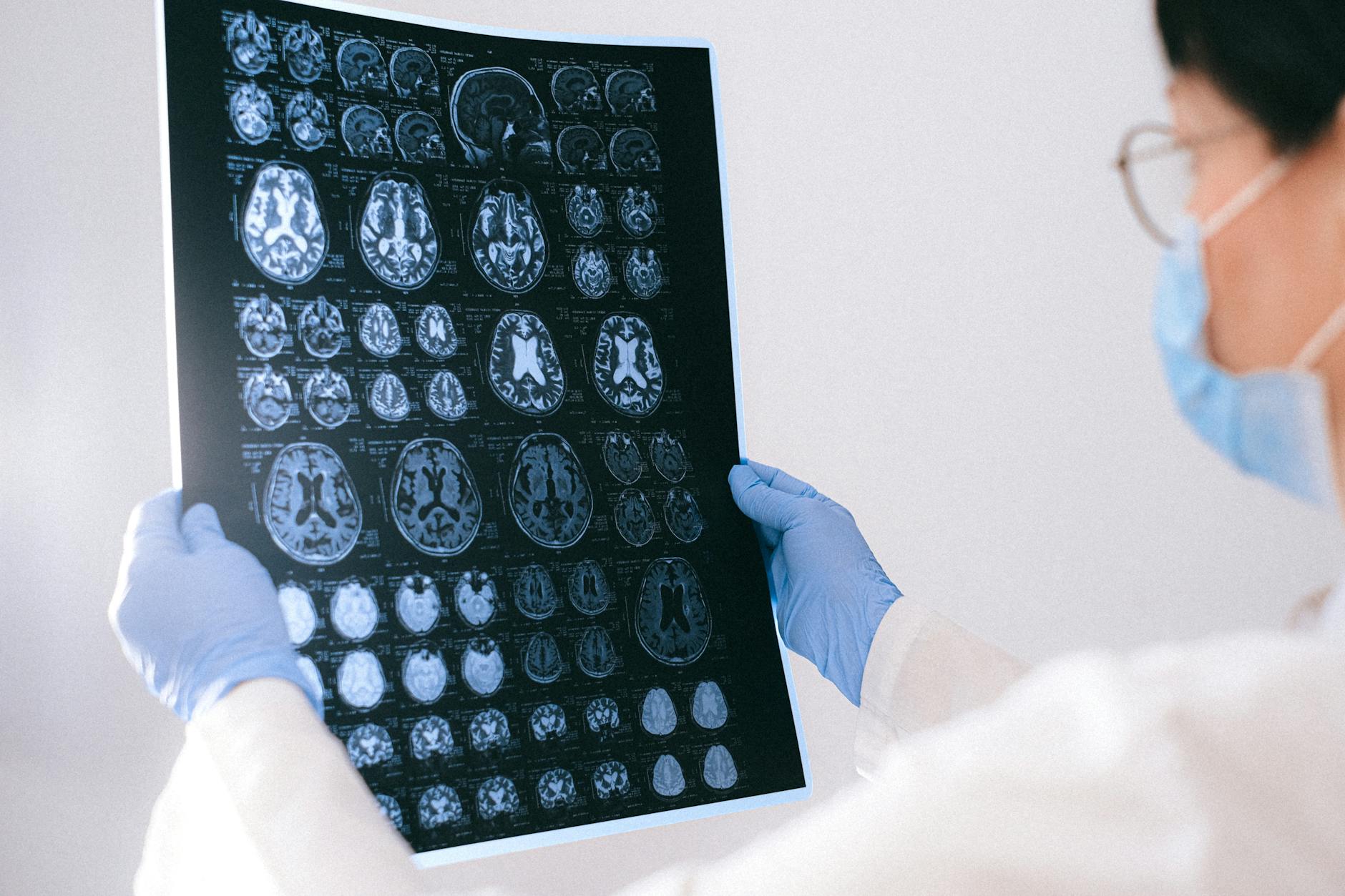
The connection between rare metabolic conditions and brain health is not metaphorical — it is biochemical. Many inborn errors of metabolism directly damage the central nervous system. Urea cycle disorders cause ammonia-driven encephalopathy. Phenylketonuria, if untreated, leads to intellectual disability. Gaucher disease type 2 and 3 destroys neurons. Niemann-Pick type C is sometimes called “childhood Alzheimer’s” because of its progressive cognitive decline. Therapies that correct these metabolic defects at the genetic level are, in a very direct sense, neuroprotective therapies.
The limitation that brain health researchers should understand is the blood-brain barrier. KJ’s treatment was liver-directed, using lipid nanoparticles that naturally accumulate in liver tissue after intravenous infusion. The liver is the easiest organ to target with current delivery technology. The brain is among the hardest. Crossing the blood-brain barrier with gene editing tools or siRNA therapies remains one of the central unsolved problems in neurological medicine. Current approaches under investigation include intrathecal injection (directly into spinal fluid), engineered viral vectors with brain-tropic properties, and focused ultrasound to temporarily open the barrier. None of these are yet routine, and each carries its own risk profile. A therapy that works brilliantly in the liver does not automatically translate to the brain — and overpromising on that front does patients a disservice.
The Rise of N-of-1 Therapies and What They Demand
The term “n-of-1” refers to therapies designed for a single patient, and KJ’s case is the most visible example to date. But the concept is expanding rapidly. Researchers at multiple academic medical centers are now developing individualized antisense oligonucleotides and gene editing therapies for patients with ultra-rare mutations. The promise is extraordinary: if you can sequence a patient’s genome, identify the disease-causing mutation, and design a molecular correction, you have the theoretical basis for treating conditions that no pharmaceutical company would ever pursue through traditional drug development.
The demands are equally extraordinary. Each n-of-1 therapy requires its own preclinical testing, safety evaluation, and manufacturing run. The FDA’s new framework helps with the regulatory piece, but the scientific and logistical infrastructure must keep pace. Researchers anticipate that similar personalized approaches could eventually be developed for hundreds of other metabolic disorders affecting the liver, but the gap between “could” and “routinely available” is measured in years of engineering, training, and institution-building.
Where Genetic Medicine for Metabolic Conditions Is Headed
Liver-directed gene therapy has moved from conceptual promise to clinical reality for several inborn errors of metabolism, and the pace is accelerating. The convergence of three developments — modular gene editing platforms, scalable lipid nanoparticle delivery, and regulatory pathways designed for tiny patient populations — creates conditions for rapid expansion. The question is no longer whether personalized genetic therapies work.
It is whether the medical system can deliver them equitably, affordably, and safely at a scale that matches the need. For those in the dementia care and brain health community, the practical takeaway is this: the tools being refined on rare metabolic diseases today are the same tools that will eventually target genetic contributors to neurodegeneration. The delivery challenges are real and should temper expectations. But the scientific foundation is being laid now, patient by patient, mutation by mutation, and the regulatory environment is finally catching up to the science.
Conclusion
The story of genetic medicine’s transformation is not about a single drug or a single patient, though KJ’s case will rightly be remembered as a turning point. It is about an ecosystem of technologies, regulatory frameworks, and institutional commitments that are making it possible to treat diseases at their genetic root. From the first personalized CRISPR therapy at CHOP to the FDA’s plausible mechanism pathway to the commercial approval of REDEMPLO, 2025 and 2026 have produced a cascade of advances that collectively change what genetic medicine can promise — and deliver.
For families navigating rare metabolic conditions, these developments offer genuine hope where little existed before. For the broader brain health community, they represent a pipeline of tools and precedents that will shape neurological medicine for decades. The limitations are real — cost, delivery to the brain, manufacturing scale, equitable access — and they deserve honest discussion rather than hype. But the direction is clear, and the pace is unlike anything genetic medicine has seen before.
Frequently Asked Questions
What is base editing, and how is it different from traditional CRISPR gene editing?
Base editing chemically converts one DNA letter to another without cutting the DNA double strand, which is what traditional CRISPR-Cas9 does. This precision reduces the risk of unintended insertions or deletions at the target site. The base editing approach used in KJ’s therapy was delivered via lipid nanoparticles to the liver, where it corrected the specific enzyme deficiency causing her urea cycle disorder.
Can personalized gene therapies like KJ’s be used for Alzheimer’s or other dementias?
Not yet. KJ’s therapy targeted the liver, which is the most accessible organ for current lipid nanoparticle delivery. Treating neurodegenerative diseases would require crossing the blood-brain barrier, which remains a major unsolved challenge. However, the editing tools and regulatory pathways being developed for metabolic conditions will likely be adapted for neurological applications as delivery technology improves.
What does the FDA’s plausible mechanism framework mean for patients with rare diseases?
Issued in February 2026, this draft guidance allows the FDA to grant full marketing authorization for individualized therapies based on strong biological rationale rather than large randomized trials. This is critical for ultra-rare diseases where patient populations are too small for traditional clinical studies. It specifically applies to therapies targeting identified genetic abnormalities and discusses genome editing and RNA-based approaches.
How much do these new genetic therapies cost?
Costs vary dramatically. REDEMPLO, the siRNA therapy for familial chylomicronemia syndrome, is priced at $60,000 per year. Personalized n-of-1 therapies like KJ’s are likely far more expensive per patient given the individualized development required, though exact costs have not been publicly disclosed. The economics of rare disease therapies remain one of the field’s most significant challenges.
Are there risks or side effects associated with gene editing therapies?
KJ received three doses of her personalized therapy with no serious side effects reported. However, gene editing therapies are still new, and long-term safety data is limited. Potential concerns include off-target editing effects, immune reactions to delivery vehicles, and unknown consequences of permanent genetic changes. Ongoing monitoring of treated patients is essential.