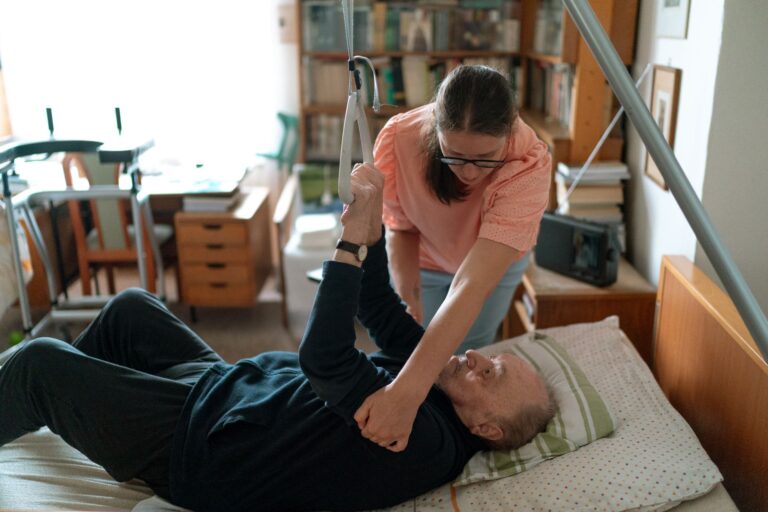
Little pain sits at the center of this dementia and brain health question.
Sometimes, a small pain or discomfort feels like no big deal. Maybe it’s a slight ache in your chest, a mild headache, or an occasional twinge in your stomach. It’s easy to brush these off as nothing serious—after all, everyone gets little pains now and then. But that little pain might actually be an early warning sign of something much bigger waiting to happen.
Our bodies are constantly sending signals when something isn’t quite right. These signals can be subtle at first—a bit of fatigue here, some shortness of breath there, or even just feeling unusually anxious or irritable. For example, chest discomfort doesn’t always mean the dramatic crushing pain you see in movies; sometimes it’s just a mild tightness or nervous feeling that many people ignore. Yet this could be the start of heart trouble brewing beneath the surface.
Similarly, headaches and stomachaches might seem like everyday nuisances but can sometimes point to emotional distress or other health issues that need attention before they worsen. Children often show their mental health struggles through frequent unexplained aches and fatigue rather than words.
Even changes in mood—like sudden irritability or feelings of hopelessness—can hint at underlying problems such as blood sugar imbalances or thyroid disorders that quietly affect overall well-being.
Ignoring these small signs is risky because many serious conditions develop gradually over time without obvious symptoms until they become emergencies. Early detection is key: catching these warning signs means you can seek help sooner and possibly prevent more severe complications later on.
So next time you notice a persistent little pain—even if it seems minor—pay attention to what your body might be trying to tell you instead of dismissing it outright. Sometimes those tiny aches are whispers from within urging you to take action before things get worse.
For more, see CDC — Alzheimer’s and Dementia.