Sumatriptan stops working for migraine sufferers for several interconnected reasons, and the most common culprits are medication overuse, poor timing of doses, and the natural progression of the disease itself. Research published in PMC estimates that roughly 30 to 40 percent of migraine patients never achieve adequate relief with triptans in the first place, and among those who do respond initially, effectiveness can erode over months or years as the brain’s pain pathways change. A patient who once found reliable two-hour relief from a 100 mg tablet may gradually notice the drug taking longer to work, wearing off sooner, or failing to touch the pain at all.
This is not a rare complaint, and it is not something patients are imagining. The mechanisms behind triptan failure are well documented, ranging from biological shifts in serotonin receptor sensitivity to a paradox where the very medication meant to stop headaches begins causing them. Understanding why sumatriptan loses its punch matters because it changes what you should do next. This article walks through the major reasons triptans fail, the warning signs of medication overuse headache, and the newer drug classes that offer real alternatives for people who have hit a wall with sumatriptan.
Table of Contents
- What Causes Sumatriptan to Stop Working for Migraine Patients Over Time?
- How Dosing Mistakes and Poor Timing Undermine Sumatriptan’s Effectiveness
- When Your Stomach Sabotages the Medication
- Recognizing Medication Overuse Headache Before It Takes Over
- Newer Alternatives When Triptans Fail
- Combination Therapy as a Middle Ground
- Preventive Therapy and the Shifting Treatment Landscape
- Conclusion
- Frequently Asked Questions
What Causes Sumatriptan to Stop Working for Migraine Patients Over Time?
The single most discussed reason sumatriptan loses effectiveness is medication overuse headache, sometimes called rebound headache. When triptans are used on 10 or more days per month for longer than three months, the brain can become dependent on the drug to regulate pain signaling. The result is a cruel inversion: the medication itself starts triggering headaches, often present on 15 or more days per month. A person who started with four migraines a month may end up with near-daily head pain, reaching for sumatriptan every morning just to function. It is worth noting, however, that triptans carry the lowest medication overuse headache risk among common analgesic classes. NSAIDs, acetaminophen, and especially combination analgesics containing opiates or barbiturates are all more likely to cause this problem.
So while overuse is real, it is not the automatic explanation every time sumatriptan seems to stop working. Disease progression is the other major factor that often gets overlooked. Migraine is not a static condition. Episodic migraine can transform into chronic migraine, defined as 15 or more headache days per month, and this transformation alters how the brain responds to acute medications. Serotonin receptor sensitivity, the very target that makes sumatriptan effective, may diminish over years of use. A drug that worked perfectly for a decade can gradually become insufficient not because the pill changed, but because the disease did. This is particularly frustrating because patients often blame themselves or suspect they are receiving a different formulation, when the real issue is neurological evolution they have no control over.

How Dosing Mistakes and Poor Timing Undermine Sumatriptan’s Effectiveness
One of the most correctable reasons sumatriptan fails is that patients take it too late in an attack. Sumatriptan works best when taken early, while pain is still mild. Once a migraine reaches moderate or severe intensity, a process called central sensitization takes hold. The brain’s pain pathways become amplified, and the skin of the scalp, face, or arms may become painful to touch, a phenomenon called allodynia. At that point, sumatriptan has a much harder time shutting down the attack because the pain is no longer being driven solely by the peripheral mechanisms the drug targets. Patients who wait because they are unsure whether the headache is “really a migraine” or because they are rationing expensive pills often end up in this exact trap.
Inadequate dosing is another straightforward problem. Many patients are started on 25 mg or 50 mg oral sumatriptan, but experts note that virtually all patients need 100 mg for adequate relief. If you have been taking a lower dose and concluding that sumatriptan does not work for you, the issue may simply be that you have never tried a therapeutic dose. However, if you are already on 100 mg and still not getting relief within two hours, increasing the dose further is not the answer. There is a ceiling effect with triptans, and pushing beyond it adds side effects without improving outcomes. This is the point where the conversation needs to shift from dose adjustment to alternative treatments.
When Your Stomach Sabotages the Medication
A factor that many patients and even some physicians overlook is gastroparesis during migraine attacks. Migraine frequently slows stomach emptying, sometimes dramatically. When you swallow a sumatriptan tablet during an attack, it may sit in your stomach for an hour or more before being absorbed, by which time central sensitization has taken over and the window of effectiveness has closed. This is not a problem with the drug itself but with the route of delivery.
Switching to a nasal spray or subcutaneous injection can bypass gastroparesis entirely. The subcutaneous injection delivers sumatriptan directly into the bloodstream and typically provides relief within 10 to 15 minutes, compared to 30 minutes or more for the oral form. The nasal spray falls somewhere in between. For patients who notice that sumatriptan pills work fine for mild attacks but consistently fail during severe ones, gastroparesis is a likely explanation. A trial of the injectable form before abandoning sumatriptan altogether is a reasonable step, though not every patient is comfortable with self-injection, and the side effect profile is somewhat more intense with the subcutaneous route, including injection site reactions and more pronounced chest tightness.
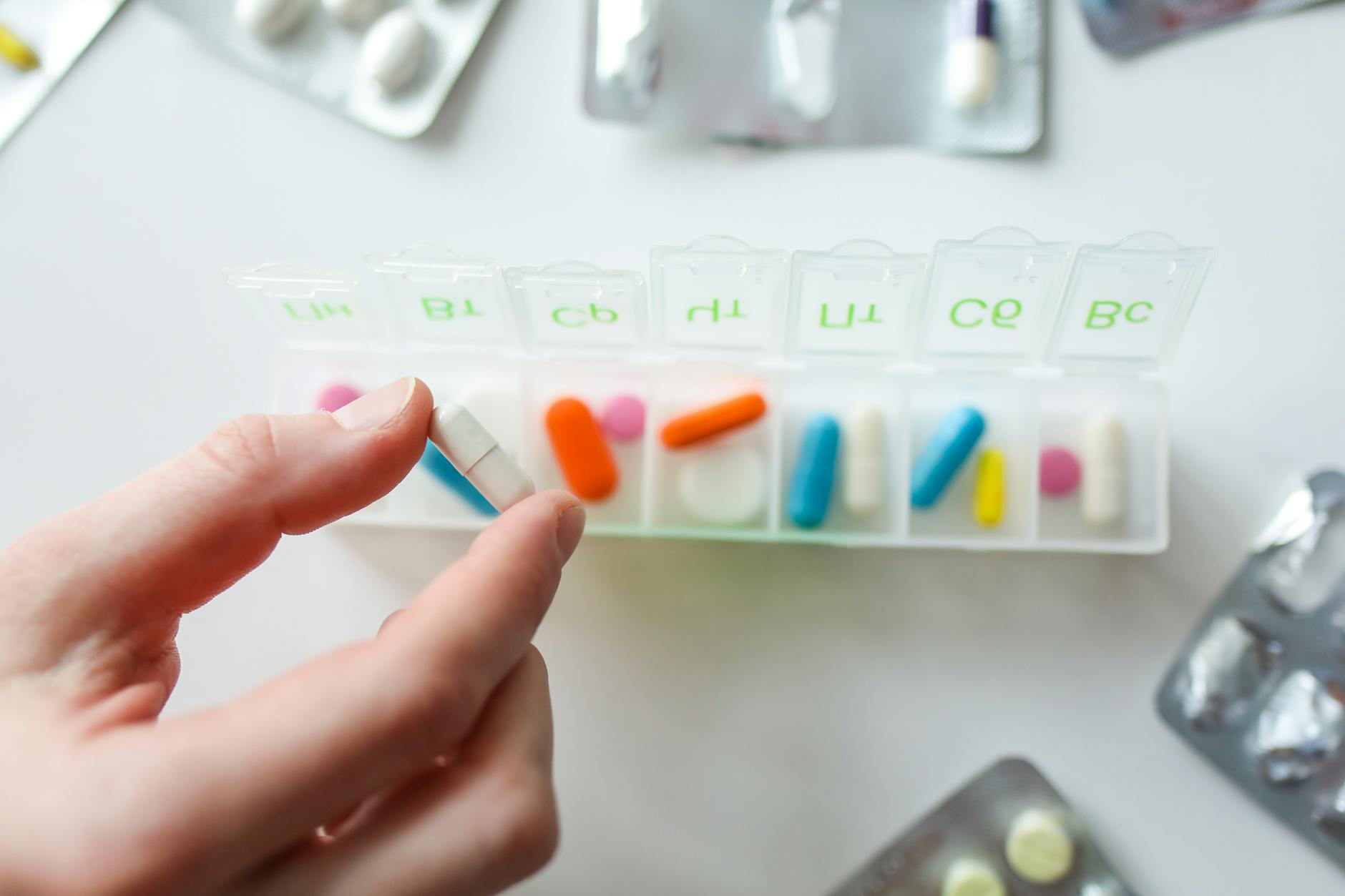
Recognizing Medication Overuse Headache Before It Takes Over
The signs of medication overuse headache are specific enough to watch for. Headaches that are present upon waking are a hallmark. Relief from sumatriptan becomes shorter-lived, lasting hours instead of a full day. Pain becomes progressively harder to treat, requiring doses that once would have been excessive. If you recognize this pattern, the uncomfortable truth is that recovery requires complete or near-complete withdrawal of the overused medication for 8 to 12 weeks. During that withdrawal period, headaches typically get worse before they get better, which is precisely why many people cannot follow through without medical support.
The comparison between withdrawal approaches matters. Some headache specialists prefer abrupt cessation, arguing that it shortens the overall withdrawal period even though the first two weeks are brutal. Others taper the medication gradually and bridge with a short course of corticosteroids or a long-acting NSAID like naproxen. There is no consensus on which approach is superior, and the best strategy depends on the patient’s headache frequency, work obligations, and psychological readiness. What is not debatable is that continuing to use sumatriptan at overuse levels will only deepen the cycle. The drug will keep working less and less while the headaches keep coming more and more.
Newer Alternatives When Triptans Fail
The most significant development for triptan non-responders is the gepant class of medications. Ubrelvy (ubrogepant), Nurtec ODT (rimegepant), and Qulipta (atogepant) are CGRP receptor antagonists that work through an entirely different mechanism than sumatriptan. They block calcitonin gene-related peptide, a molecule heavily involved in migraine pain signaling. Critically, gepants do not cause medication overuse headache, which makes them safer for patients with frequent attacks who are at risk of the rebound cycle. Rimegepant is approved for both acute treatment and prevention, meaning a single medication can serve double duty.
However, gepants are not a universal solution. They tend to work more slowly than triptans, and head-to-head data suggests that for patients who do respond to triptans, the older drugs still provide faster and more complete relief. A JAMA Network Open meta-analysis confirmed that while triptans remain effective first-line treatments, CGRP-targeting drugs offer meaningful alternatives specifically for triptan non-responders. The practical limitation is cost. Gepants are considerably more expensive than generic sumatriptan, and insurance coverage remains inconsistent. For patients with cardiovascular risk factors who cannot use triptans at all, lasmiditan (Reyvow), a 5-HT1F receptor agonist with no vasoconstrictive properties, is another option, though it causes dizziness and sedation and requires patients to avoid driving for eight hours after a dose.

Combination Therapy as a Middle Ground
Before switching drug classes entirely, combining sumatriptan with an NSAID such as naproxen or with acetaminophen may provide greater relief than either medication alone. This approach works because it targets multiple pathways simultaneously, the serotonin receptor agonism of the triptan plus the anti-inflammatory and prostaglandin-blocking effects of the NSAID.
For a patient whose sumatriptan has become “almost but not quite enough,” adding 500 mg of naproxen sodium at the same time may restore adequate relief without requiring a new prescription. This is a practical first step that can be discussed with a physician before pursuing more expensive alternatives.
Preventive Therapy and the Shifting Treatment Landscape
For patients whose sumatriptan failure is driven by disease progression rather than a correctable issue like timing or dosing, the conversation inevitably moves toward preventive therapy. CGRP monoclonal antibodies, including Aimovig (erenumab), Ajovy (fremanezumab), Emgality (galcanezumab), and Vyepti (eptinezumab), are given as monthly or quarterly injections or IV infusions and can reduce migraine frequency by 50 percent or more in responding patients.
These do not replace acute treatment but reduce how often it is needed, which in turn lowers the risk of medication overuse headache and gives sumatriptan a better chance of working on the fewer attacks that do break through. The trajectory of migraine treatment is clearly moving toward CGRP-targeting therapies, and patients who have been struggling with declining triptan effectiveness owe it to themselves to discuss these options with a headache specialist rather than a general practitioner, who may be less familiar with the newer drug classes.
Conclusion
Sumatriptan stops working for a variety of reasons, and identifying the right one matters because each has a different solution. Medication overuse headache requires withdrawal. Poor timing requires earlier dosing. Inadequate doses require adjustment to 100 mg. Gastroparesis requires switching from oral to injectable or nasal forms. Disease progression may require adding preventive therapy.
And for the 30 to 40 percent of patients who simply do not respond well to triptans, gepants and other CGRP-targeting medications offer a genuinely different mechanism that may succeed where sumatriptan cannot. The most important step is an honest conversation with your physician about your attack frequency, your medication use patterns, and your treatment goals. If you are using sumatriptan more than 10 days per month, that conversation is overdue. If you have never tried the 100 mg dose or the injectable form, those are correctable gaps. And if you have truly exhausted triptan options, the newer drug classes are not just incremental improvements. They represent a fundamentally different approach to a disease that is itself always changing.
Frequently Asked Questions
How long does it take to know if sumatriptan is working?
Sumatriptan should provide meaningful pain relief within two hours of taking the correct dose. If you consistently get no improvement in that window after trying 100 mg oral or the subcutaneous injection, you are likely a triptan non-responder.
Can I switch to a different triptan if sumatriptan stops working?
Yes. There are seven triptans on the market, and they differ in speed of onset, duration, and side effect profile. Studies show that patients who fail one triptan may respond to another, so trying at least two different triptans before abandoning the class is standard practice.
Will sumatriptan work again after a break from using it?
If medication overuse headache is the cause of failure, withdrawing from sumatriptan for 8 to 12 weeks can restore its effectiveness. If the cause is disease progression or biological non-response, a break is unlikely to help.
Are gepants safer than triptans?
Gepants do not carry the cardiovascular risks associated with triptans and do not cause medication overuse headache, making them safer in those specific respects. However, they are newer drugs with less long-term safety data, and they are not necessarily more effective for patients who respond well to triptans.
Can I take a gepant and a triptan on the same day?
This should only be done under physician guidance. Some headache specialists do allow patients to use a gepant as a rescue medication if a triptan fails to provide relief within two hours, but this is an off-label strategy that requires individualized medical advice.