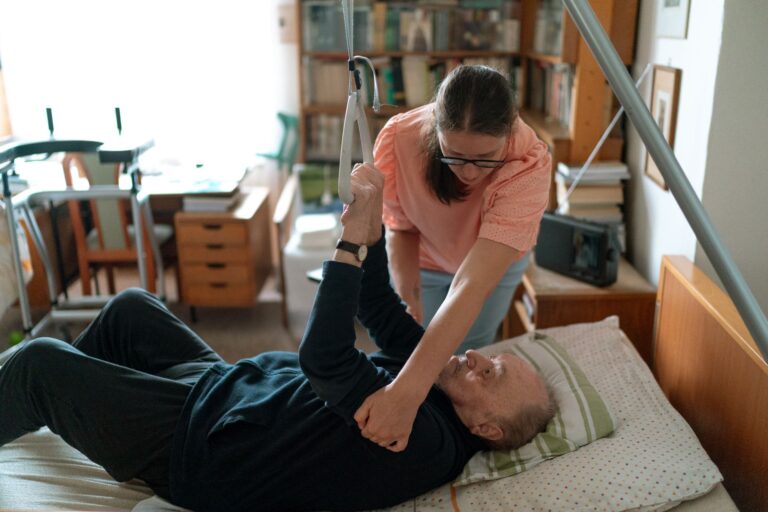
More than sits at the center of this dementia and brain health question.
Stress is a silent companion that many of us live with, often without realizing its profound impact on our bodies. It’s not just a mental state; it affects us physically, too. One of the most significant ways stress influences our lives is by speeding up the aging process. This might sound like a dramatic claim, but the science behind it is compelling.
When we’re under stress, our body releases a hormone called cortisol. This hormone is designed to help us respond to threats by increasing our energy levels and alertness. However, when stress becomes chronic, cortisol levels remain elevated for too long. This prolonged exposure to cortisol can lead to a range of negative effects on our bodies.
One of the key ways stress accelerates aging is by damaging our DNA. The protective caps on the ends of our chromosomes, known as telomeres, are crucial for maintaining the integrity of our genetic material. When we’re stressed, these telomeres can shorten faster than they normally would, which is a sign of premature aging. In fact, studies have shown that women under high stress can have telomeres that are significantly shorter than those who experience less stress. This means that their biological age can be much older than their chronological age.
Stress also increases oxidative stress and inflammation in the body. Oxidative stress occurs when there’s an imbalance between free radicals and antioxidants in our cells, leading to damage. Inflammation, on the other hand, is the body’s response to injury or infection, but chronic inflammation can lead to conditions like heart disease and diabetes. These changes can make us look and feel older than we actually are.
The effects of stress aren’t limited to our internal health; they also show up on our skin. Chronic stress can lead to breakouts, dullness, and premature aging of the skin. This happens because cortisol disrupts the skin’s natural barrier function and reduces lipid production, making it more prone to issues like acne and eczema.
Fortunately, there’s hope. Managing stress through healthy habits like regular exercise, good sleep, and a balanced diet can help mitigate these effects. Exercise, for example, can boost the activity of telomerase, the enzyme that helps maintain telomere length. Good sleep is essential for overall health and can help reduce stress levels. A balanced diet provides the nutrients needed to keep our bodies functioning optimally.
In essence, stress is not just a mental challenge; it’s a physical one that can accelerate aging. By understanding how stress affects our bodies and taking steps to manage it, we can potentially slow down the aging process and live healthier, longer lives.
For more, see Alzheimer’s Association — clinical trials.