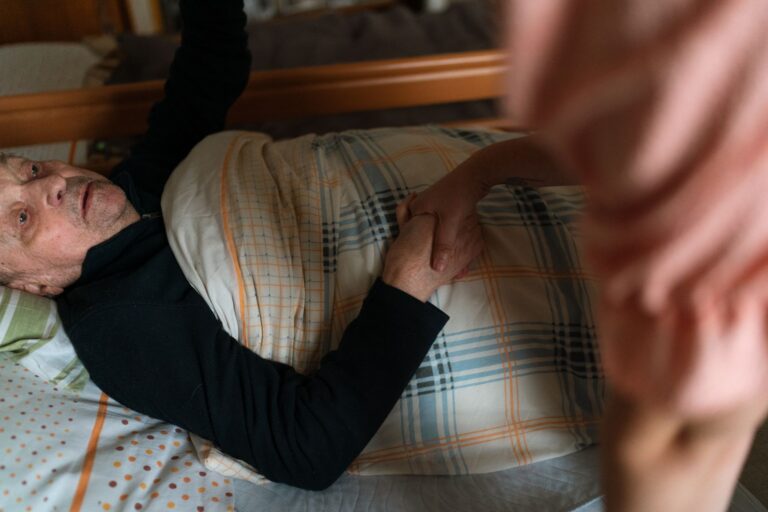
Some states may tighten home and community-based services (HCBS) for dementia families because federal law leaves home care optional. Medicaid must cover nursing-facility care, so HCBS is easier to cap when budgets tighten.
Federal pressure adds urgency. KFF summarizes Congressional Budget Office estimates that the 2025 reconciliation law reduces federal Medicaid spending by about $911 billion over 2025–2034, in KFF analysis of the 2025 reconciliation law. For families, help used today at home may face stricter rules tomorrow.
Medical information disclaimer: This article is for general educational purposes only and does not provide medical advice, diagnosis, or treatment. Always consult a physician or other qualified health professional about symptoms, medications, tests, or treatment decisions.
Table of Contents
- Why home care is easier to cut
- How states already limit access
- Why dementia needs often miss the cutoff
- What tighter rules could change at home
- What families can do now
Why home care is easier to cut
Federal Medicaid law requires states to cover nursing-facility care. Nearly all home and community-based services stay optional, according to Cotney Elder Law in Cotney Elder Law analysis. Optional does not mean unimportant.
It means states can legally limit slots, hours, or spending. That legal design matters during a budget squeeze. States still pay a large share of Medicaid home-care costs. When federal dollars fall, optional programs absorb much of the adjustment.
How states already limit access
KFF reports over 5 million people receive Medicaid home care each year. About half receive it through capped 1915(c)-type waivers rather than entitlement state-plan benefits. A waiver slot is not guaranteed; when slots fill, families wait.
KFF's 23rd survey of state Medicaid home-care programs, completed April–July 2025, found 41 states keep waiting or interest lists. Over 600,000 people waited for HCBS in 2025, according to KFF survey of waiting lists. KFF cautions that waiting lists incompletely measure unmet need and do not compare neatly across states or years.
Why dementia needs often miss the cutoff
HCBS dementia eligibility usually requires both financial eligibility and a functional finding of nursing-facility level of care. People with early dementia who need supervision but have few deficits in daily activities may fail that functional test, as explained by Dementia Care Central in Dementia Care Central guide. Supervision needs count less when the test centers on bathing, dressing, and eating.
Money rules add a second hurdle. American Council on Aging data place 2026 waiver limits near $2,982 per month in income and $2,000 in countable assets for an individual applicant. Exact thresholds vary by state and pathway, so families must check local rules.
What tighter rules could change at home
States manage HCBS spending with enrollment caps, per-person spending caps, limits on waiver-service amounts or personal-care hours, and waiting lists. KFF documents more such controls planned for fiscal year 2026. A family may keep eligibility yet lose hours.
The effect is concrete. A daughter caring for a father with moderate dementia might keep her waiver slot but receive fewer paid aide hours. Another family might qualify on paper yet sit on a list while supervision needs grow.
What families can do now
Elder-law guidance urges families to apply early, learn state income, asset, and level-of-care rules, and use appeal rights after a denial or cut. Early action creates a paper trail before a crisis.
Keep copies of assessments, notices, and care logs. Those records support an appeal and help a trusted adviser spot an error.
- Ask the state Medicaid office which HCBS pathway fits: waiver or state plan.
- Get the nursing-facility level-of-care criteria in writing.
- Track income, assets, diagnoses, supervision needs, and daily-activity help.
- Appeal a denial, hours cut, or waiting-list placement by the stated deadline.