Some disc injuries require surgery because they’re causing progressive damage to the nerves in your spine—damage that won’t stop or improve on its own. The most urgent cases involve cauda equina syndrome (compression of the nerve bundle at the base of your spinal cord), myelopathy (damage to the spinal cord itself), or steadily worsening neurological deficits like progressive weakness or loss of sensation. When a herniated disc is actively damaging nerve function and conservative treatment hasn’t worked, surgery becomes necessary to prevent permanent disability.
For example, a person experiencing leg weakness that gets worse each week, or loss of bladder or bowel control, needs emergency evaluation for possible surgery. This article explains which disc injuries really need an operating room, what the recovery looks like, and why some patients find themselves back in surgery a few years later despite their first procedure. The decision to operate on a herniated disc isn’t simple, though, because spine surgery is far less effective than people hope. You’ll learn the hard numbers about success rates, why conservative treatment should be tried first in most cases, and the serious reality of failed-back surgery syndrome—a condition that develops in about 1 in 5 patients years after their operation.
Table of Contents
- Which Disc Injuries Actually Require Surgery?
- Why Conservative Treatment Should Come First (And Its Limits)
- The Critical Role of Neurological Decline in Surgical Planning
- What Spine Surgery Actually Accomplishes (And Doesn’t)
- Failed-Back Surgery Syndrome and Revision Surgery Rates
- The Long-Term Spine Degeneration Reality
- The Paradox of Surgical Overutilization
- Conclusion
Which Disc Injuries Actually Require Surgery?
Not all herniated discs need surgery. The location of the herniation and the type of nerve damage it causes determine whether you’re a candidate. For lumbar (lower back) herniation, surgery is typically considered after six weeks of failed conservative care, but the timeline accelerates if you develop motor weakness—loss of power in your legs that makes it hard to walk or climb stairs. Cervical (neck) herniations follow a longer timeline; surgeons usually wait at least six months of persistent symptoms before recommending surgery, since the neck houses critical structures that require careful consideration.
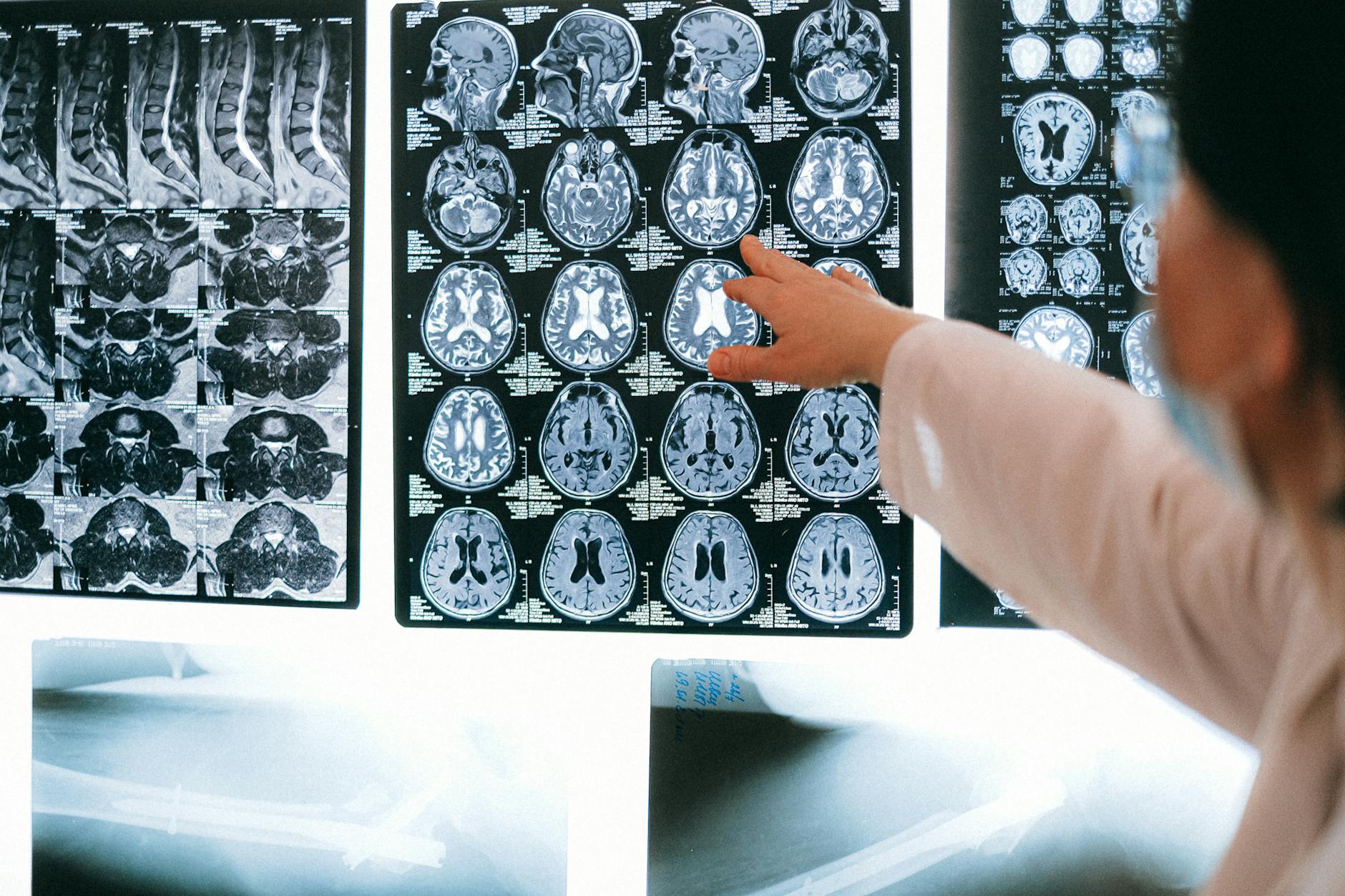
Thoracic (mid-back) herniation is different still—surgery is warranted sooner if you show worsening neurological symptoms or have a giant, calcified herniation causing myelopathy, which appears on MRI as spinal cord signal changes. The absolute emergency cases are non-negotiable: cauda equina syndrome (usually causing severe lower back pain, leg pain, numbness in the saddle area, and bowel/bladder dysfunction), acute myelopathy (spinal cord damage causing weakness and numbness), or rapidly deteriorating neurological deficits. These require urgent surgical evaluation, often within hours, because waiting can mean permanent paralysis. One person might have identical imaging to another—a large herniated disc pressing on a nerve—but only one might need surgery. The difference is usually whether the affected nerve is actually being damaged and whether that damage is stable or getting worse.

Why Conservative Treatment Should Come First (And Its Limits)
Six to twelve weeks of conservative treatment is the recommended starting point for most disc injuries. This includes physical therapy, anti-inflammatory medication, cortisone injections into the epidural space around the nerve, and sometimes traction. Research shows these approaches effectively reduce pain and disability in many people, with traction therapy demonstrating the largest pain-reduction effect across studies. The problem is not whether conservative care works—it does—but whether it works fast enough and completely enough for each individual. However, conservative treatment has real limitations.
If you’re losing strength in your leg week by week, waiting out a twelve-week physical therapy trial while your muscles weaken isn’t the right strategy. Some people improve slowly but plateau at a level of pain and dysfunction they can’t live with. Others respond beautifully to conservative care and never need surgery. The challenge is that there’s no perfect way to predict who falls into which group before starting treatment. This is why the decision tree hinges on time (how long symptoms have persisted), severity (is strength actually declining?), and location (cervical herniations get longer timeframes than lumbar ones).
The Critical Role of Neurological Decline in Surgical Planning
Your doctor isn’t deciding whether to operate based on how much pain you’re in. The decision hinges on whether your nerves are being actively damaged and whether that damage is getting worse. Progressive weakness—where your leg gets weaker over days or weeks despite treatment—is different from stable pain. Progressive sensory loss (numbness that spreads) is different from a numb spot that stays the same. This distinction matters enormously because nerve damage can become permanent.
Consider the difference between two scenarios: Patient A has a herniated disc causing constant pain but stable muscle strength and sensation, while Patient B has the same herniation but developing weakness in the leg and spreading numbness. Patient A might reasonably continue conservative treatment longer. Patient B’s neurological decline suggests the nerve is being compressed with increasing severity, justifying earlier surgical consideration. Worsening deficits essentially tell you that time is working against you—the longer you wait, the more likely permanent damage becomes. This is why cauda equina syndrome and acute myelopathy demand same-day or next-day surgical evaluation.
What Spine Surgery Actually Accomplishes (And Doesn’t)
Here’s the number that should shape your expectations: only 30 percent of patients achieve adequate pain relief from spinal surgery. That’s not a failure rate in the sense that surgery didn’t happen—it’s the success rate for the primary goal of getting rid of pain. The operation can successfully remove the herniated disc material compressing the nerve, and imaging afterward shows the nerve is no longer compressed. But pain relief doesn’t automatically follow. In some cases, scar tissue forms.
In others, the damaged nerve itself generates pain signals even after decompression, a phenomenon called neuropathic pain. The surgery is more reliable at stopping neurological decline than at eliminating pain. If you’re developing weakness because of a disc herniation, decompression surgery often halts that decline and may restore some strength if the nerve hasn’t been permanently damaged. This is the real indication for surgery: not because you’re in agony, but because your nerve is being damaged and conservative measures aren’t stopping it. If the primary reason you’re undergoing surgery is pain control, it’s important to understand that you might trade back pain for neck pain, or constant pain for intermittent pain, rather than becoming pain-free.
Failed-Back Surgery Syndrome and Revision Surgery Rates
After spine surgery, about 20.6 percent of patients develop failed-back surgery syndrome—chronic pain persisting or returning after surgery despite technically successful decompression. This typically develops around 3.4 years after the first operation, though it can appear earlier. The causes vary: scar tissue adhesions, ongoing degeneration above or below the surgical level, new disc herniations, or simply chronic pain in the nerve that doesn’t resolve with decompression alone. The statistics on revision surgery are sobering: up to 70 percent of patients who undergo one back surgery will need additional surgery within the next decade or so.
This doesn’t mean 70 percent develop failed-back syndrome specifically; it means many develop new problems—a different level herniating, facet joint arthritis causing stenosis, or instability requiring fusion. Some require second surgery for the exact same diagnosis because the first one didn’t adequately decompress the nerve. Others face new problems that wouldn’t have occurred without the first surgery altering spinal mechanics. The progression from one surgery to potentially multiple surgeries is why conservative measures are often worth exhausting first, particularly for pain-dominant (rather than neurologically progressive) disc herniation.

The Long-Term Spine Degeneration Reality
Ninety percent of patients who have disc herniation eventually develop long-term degenerative changes—with or without surgery. Eighty-nine percent experience loss of disc height and facet joint arthritis in the long term. This isn’t a consequence of surgery; it’s the natural history of the spine. When a disc herniates, the underlying disc has already degenerated and lost hydration. The forces on remaining discs and facet joints change.
Age, genetics, and body mechanics continue working on your spine. What matters is recognizing that surgery doesn’t prevent this progression. Someone who has surgery for a herniated disc at 45 will almost certainly have age-related degenerative changes visible on imaging by 55 or 60. The hope is that the surgery solved the immediate problem—stopping neurological decline or sufficiently reducing pain to restore function—while accepting that the spine will continue to age. This is why long-term follow-up imaging sometimes shows surprising findings: the disc you had decompressed looks completely normal, but new problems have emerged elsewhere. It’s not that the surgery failed; it’s that spine degeneration is an ongoing process, not an event.
The Paradox of Surgical Overutilization
One of the most striking findings in spine surgery research is counterintuitive: spinal surgery achieves its best outcomes in geographic regions where surgery rates are lowest. This suggests that in areas where surgeons are more conservative and exhaust conservative treatments thoroughly before operating, the patients who do get surgery are excellent candidates with clear indications. In regions with high surgery rates, some people are undergoing operations who would have improved with continued conservative treatment. This paradox doesn’t mean surgery is never appropriate—it means the indication matters far more than some spine surgeons perhaps recognize.
A herniated disc causing pain without progressive neurological deficit in someone who’s tried physical therapy, injections, and medication for only three weeks looks different from the same patient at three months with no improvement. The first still has time for conservative care. The second might be approaching the point where surgery warrants consideration. Better outcomes come from precise patient selection—choosing surgery for the people who truly need it, not for everyone who has imaging that shows a herniation.
Conclusion
Disc injuries require surgery when they’re causing active neurological damage—weakness, loss of sensation, or loss of function—that isn’t improving with conservative care, or in emergency situations like cauda equina syndrome where spinal cord damage is happening in real time. The decision isn’t based on pain alone or even on how impressive the herniation looks on an MRI. It’s based on whether the nerve is actually being damaged and whether that damage is accelerating or stable.
Before pursuing surgery, exhausting six to twelve weeks of conservative treatment is the standard approach for most disc herniation, with physical therapy, injections, and medication as the foundation. Understanding that surgery succeeds at stopping neurological decline more reliably than eliminating pain, and that 20 to 70 percent of patients require additional procedures down the road, should inform your discussion with your surgeon. The goal isn’t a perfect spine—that’s unlikely at any age. The goal is stopping nerve damage and restoring function.