Some cancer drugs now come with genetic testing requirements because certain patients carry gene variants that cause their bodies to metabolize these medications dangerously slowly, leading to severe toxicity or death. In October 2025, the FDA added a black box warning — its strongest safety alert — to the labels of 5-fluorouracil (5-FU) and capecitabine (Xeloda), two of the most widely prescribed chemotherapy drugs in the world, requiring DPYD genetic testing before doctors can prescribe them except in emergencies. Roughly 5 to 7 percent of patients carry DPYD gene variants that prevent proper drug breakdown, and without testing, these patients face risks including fatal mucositis, diarrhea, neutropenia, and neurotoxicity. But DPYD testing is only one piece of a much larger shift.
The FDA now maintains a companion diagnostic list spanning more than 19 pages of genetic tests tied to specific cancer drugs — tests that must be completed before a prescription can be written. For families navigating cancer alongside dementia or cognitive decline in a loved one, understanding these testing requirements is especially important, because the consequences of skipping them can be catastrophic and because coordinating complex medical decisions across multiple conditions demands clarity. This article covers the FDA’s companion diagnostic framework, the major cancer drugs that now require genetic testing, how pharmacogenomics affects drug safety, what biomarker testing looks like in lung cancer, and the real cost and access barriers patients face. For anyone managing a household where both cancer treatment and cognitive care intersect, knowing that a simple blood draw or cheek swab can prevent a life-threatening drug reaction is not a minor detail. It is essential information.
Table of Contents
- What Genetic Testing Requirements Apply to Cancer Drugs and Why Do They Exist?
- How DPYD Testing Became a Black Box Warning for Common Chemotherapy Drugs
- The Major Cancer Drugs That Now Require Genetic Testing Before Prescribing
- Pharmacogenomic Testing Beyond Tumor Profiling — Genes That Affect Drug Safety
- Lung Cancer Biomarker Testing — Where Precision Medicine Is Most Advanced
- The Cost and Insurance Barriers Standing Between Patients and Required Testing
- Where Genetic Testing Requirements for Cancer Drugs Are Heading
- Conclusion
- Frequently Asked Questions
What Genetic Testing Requirements Apply to Cancer Drugs and Why Do They Exist?
The FDA defines a companion diagnostic as a medical device that provides information “essential for the safe and effective use” of a corresponding drug. In practical terms, this means the drug cannot legally be prescribed without the test result. These requirements exist for two distinct reasons. First, some genetic tests identify whether a patient’s body can safely process a drug — DPYD testing for fluoropyrimidines falls into this category. Second, other tests determine whether a patient’s tumor has the specific molecular target that a drug is designed to attack. Prescribing a targeted therapy without confirming the target is present wastes time, money, and exposes the patient to side effects with no therapeutic benefit. The distinction matters.
A pharmacogenomic test like DPYD screening looks at the patient’s own inherited DNA to assess drug metabolism. A biomarker or companion diagnostic test examines the tumor’s genetic makeup to determine whether the cancer will respond to a particular treatment. Both types now gate access to specific drugs, but they answer fundamentally different questions. One asks whether the drug is safe for this patient. The other asks whether the drug will work against this cancer. In November 2025, the FDA proposed reclassifying certain companion diagnostic assays from Class III to Class II medical devices, which could ease the approval pathway and expand patient access to these tests. This is a meaningful development because the current regulatory burden on companion diagnostics has sometimes slowed the availability of tests that patients and oncologists need. However, reclassification does not eliminate the testing requirement itself — it simply makes it easier for diagnostic companies to bring new tests to market.

How DPYD Testing Became a Black Box Warning for Common Chemotherapy Drugs
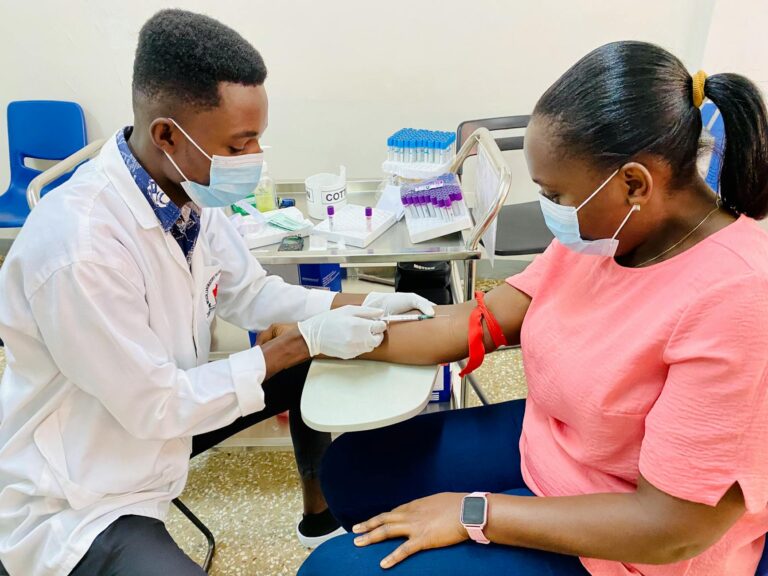
For decades, oncologists prescribed 5-FU and capecitabine without routine genetic screening, even though the medical literature had long documented that DPYD-deficient patients faced dramatically higher toxicity risks. The October 2025 black box warning changed that by making DPYD testing a prerequisite rather than a suggestion. The testing itself is straightforward — a simple blood draw or cheek swab that screens for known DPYD variants — and results typically come back within days. For patients who test positive for a deficiency, oncologists can adjust the dose downward or select an alternative regimen entirely. The DPYD gene produces an enzyme called dihydropyrimidine dehydrogenase (DPD), which is responsible for breaking down fluoropyrimidine drugs. In patients with reduced DPD activity, these drugs accumulate to dangerous levels.
The resulting toxicity can damage the gut lining, suppress bone marrow, and cause neurological harm. For patients who also have dementia or other cognitive conditions, neurotoxicity is a particularly grave concern, because distinguishing between chemotherapy-induced neurological damage and progression of an existing cognitive disorder can be extremely difficult for both clinicians and caregivers. However, DPYD testing does not catch every patient who will have a severe reaction. The known variants account for the majority of DPD deficiency cases, but rare or uncharacterized mutations can still cause toxicity that the standard panel misses. Patients and caregivers should understand that a normal DPYD test result reduces risk significantly but does not eliminate it entirely. Close monitoring during the first cycles of chemotherapy remains important regardless of test results.
The Major Cancer Drugs That Now Require Genetic Testing Before Prescribing
The list of cancer drugs requiring companion diagnostic testing has grown substantially in 2025 and 2026. Telisotuzumab vedotin, approved for non-small cell lung cancer, requires c-Met immunohistochemistry testing showing that at least 50 percent of tumor cells have strong c-Met protein overexpression. Zongertinib, also for NSCLC, requires testing for HER2 (ERBB2) tyrosine kinase domain mutations using the Oncomine Dx Target Test as its companion diagnostic. Imlunestrant, approved for ER-positive, HER2-negative advanced breast cancer, requires ESR1 mutation testing via the Guardant360 CDx liquid biopsy assay — a blood-based test that detects tumor DNA circulating in the bloodstream. PARP inhibitors like olaparib (Lynparza) represent one of the most established examples of test-gated prescribing.
These drugs require confirmed BRCA1 or BRCA2 germline mutations, detectable through blood, saliva, or cheek swab, before they can be prescribed for breast, ovarian, pancreatic, or prostate cancers. The BRCA testing requirement matters for families with dementia concerns because BRCA mutations are hereditary — a positive result in one family member has implications for siblings and children, and genetic counseling becomes part of the treatment conversation. Each of these testing requirements exists because the drugs are designed to exploit a specific molecular vulnerability in the cancer. Without confirming that vulnerability exists, the drug is unlikely to work and the patient bears the side effects for nothing. this is the core logic of precision medicine: match the treatment to the biology rather than treating all cancers of a given organ the same way.

Pharmacogenomic Testing Beyond Tumor Profiling — Genes That Affect Drug Safety
Beyond the tumor-focused companion diagnostics, several genes in the patient’s own genome affect how safely they can tolerate specific cancer drugs. DPYD is the most prominent example following the 2025 black box warning, but it is not alone. UGT1A1 variants affect the metabolism of irinotecan, a common chemotherapy drug for colon cancer, and patients with reduced UGT1A1 activity face higher risks of severe diarrhea and neutropenia. CYP2D6 variants influence how the body processes tamoxifen, a widely used breast cancer drug, and poor metabolizers may not convert tamoxifen into its active form effectively, potentially reducing the drug’s benefit. TPMT variants affect thiopurine metabolism in leukemia treatment.
The tradeoff with pharmacogenomic testing is between comprehensiveness and practicality. Testing for every relevant gene variant before starting any cancer treatment would be ideal from a safety standpoint, but not all of these tests are yet required by the FDA, and insurance coverage varies. Some oncology centers have begun implementing pre-emptive pharmacogenomic panels that screen for multiple gene variants at once, storing the results in the patient’s medical record for future reference. This approach is more efficient than ordering individual tests each time a new drug is considered, but it is not yet standard practice everywhere. For caregivers managing a loved one with both cancer and cognitive decline, pharmacogenomic testing results should be documented clearly and kept accessible. If a patient with dementia cannot reliably communicate their medical history to new providers, having pharmacogenomic results on file can prevent dangerous prescribing errors down the line.
Lung Cancer Biomarker Testing — Where Precision Medicine Is Most Advanced
Lung cancer treatment has become the clearest example of how deeply genetic testing has been integrated into oncology. Current guidelines recommend that all patients with advanced lung adenocarcinoma be tested for ALK rearrangements, BRAF V600E mutations, EGFR mutations, KRAS mutations, MET exon 14 skipping, NTRK fusions, RET fusions, ROS1 rearrangements, and PD-L1 protein levels. This is not optional screening — it is considered the standard of care, and starting treatment without these results means potentially missing a targeted therapy that could be far more effective and less toxic than conventional chemotherapy. The numbers illustrate why testing matters. EGFR mutations appear in 10 to 15 percent of lung cancers, and there are now more than seven FDA-approved targeted drugs for these patients, including osimertinib, erlotinib, and afatinib. KRAS mutations occur in roughly 30 percent of NSCLC cases, and the G12C variant has FDA-approved targeted therapies in sotorasib and adagrasib.
ALK rearrangements are found in about 5 percent of NSCLC patients, with five FDA-approved drugs available including alectinib and lorlatinib. The limitation here is time. Comprehensive biomarker testing through next-generation sequencing can take two to three weeks for results, and patients with rapidly progressing cancer may need to start some form of treatment before all results are available. Oncologists sometimes begin with a general chemotherapy regimen and then switch to a targeted therapy once biomarker results arrive. This is a reasonable clinical decision, but it means the patient may undergo treatment that turns out to be suboptimal. For patients with concurrent dementia, each unnecessary treatment cycle adds cognitive and physical stress, making timely testing all the more critical.

The Cost and Insurance Barriers Standing Between Patients and Required Testing
Despite the FDA’s expanding testing requirements, access remains uneven. Genetic testing costs range from a few hundred to several thousand dollars, with many labs offering self-pay rates around $250. Most private insurers cover genetic testing for eligible patients, and Medicare covers it for patients with a related cancer diagnosis.
But a study found that approximately 43 percent of patients whose doctors recommended genetic testing faced insurance-related barriers — prior authorization delays, denials, or coverage limitations that slowed or prevented testing. This creates a troubling situation in which the FDA requires a test before a drug can be prescribed, but insurance companies do not always cover that test promptly. For families already managing the financial burden of dementia care alongside a cancer diagnosis, an unexpected out-of-pocket testing cost can delay treatment at a moment when time matters most. Patients and caregivers should ask the oncology team about financial assistance programs offered by testing laboratories, many of which have hardship provisions that reduce or eliminate costs for qualifying patients.
Where Genetic Testing Requirements for Cancer Drugs Are Heading
The trend toward test-gated prescribing is accelerating, not slowing down. Next-generation sequencing, liquid biopsies that detect tumor DNA from a simple blood draw, and AI-driven analysis of genomic data are making comprehensive biomarker testing faster, cheaper, and more accessible.
The FDA’s proposed reclassification of some companion diagnostics from Class III to Class II devices signals an intent to reduce regulatory friction and expand the pipeline of approved tests. Within the next several years, it is plausible that broad pharmacogenomic panels will become a routine part of cancer care initiation — a single test at diagnosis that screens for both tumor biomarkers and patient metabolism variants simultaneously. For patients with dementia or other conditions that complicate medical decision-making, having this information available early and documented clearly will be a safeguard against the prescribing errors and treatment delays that arise when critical genetic data is missing from the medical record.
Conclusion
Genetic testing requirements for cancer drugs exist because the alternative — prescribing powerful medications without knowing whether a patient’s body can tolerate them or whether the cancer will respond — causes preventable harm. The DPYD black box warning, the expanding list of companion diagnostics, and the comprehensive biomarker panels now standard in lung cancer care all reflect a fundamental shift in oncology: away from one-size-fits-all treatment and toward matching drugs to patients based on genetic evidence. For the 5 to 7 percent of patients who carry DPYD variants, a simple cheek swab before chemotherapy can mean the difference between a manageable treatment course and a fatal drug reaction. For families navigating cancer treatment alongside dementia care, the practical takeaways are clear.
Ask the oncology team whether genetic or pharmacogenomic testing is indicated before any new cancer drug is prescribed. Ensure that test results are documented in the patient’s medical record and accessible to all treating providers. Inquire about insurance coverage and laboratory financial assistance programs early in the process. And understand that while these testing requirements add a step before treatment begins, they exist to prevent outcomes that are far worse than a brief delay.
Frequently Asked Questions
What is DPYD testing and why did the FDA require it in 2025?
DPYD testing screens for inherited gene variants that impair the body’s ability to break down the chemotherapy drugs 5-fluorouracil and capecitabine. In October 2025, the FDA added a black box warning requiring this test before prescribing these drugs because roughly 5 to 7 percent of patients carry variants that can cause severe or fatal toxicity. The test requires only a blood draw or cheek swab.
What is a companion diagnostic, and can a doctor prescribe the drug without it?
A companion diagnostic is an FDA-defined medical device that provides information the agency considers essential for the safe and effective use of a specific drug. In most cases, the drug cannot be prescribed without the companion diagnostic test result. The FDA maintains a list of more than 19 pages of approved companion diagnostics tied to specific cancer treatments.
Does insurance cover genetic testing for cancer treatment?
Most private insurers and Medicare cover genetic testing for patients with a related cancer diagnosis. However, a study found that about 43 percent of patients whose doctors recommended genetic testing encountered insurance-related barriers such as prior authorization delays or outright denials. Many testing laboratories offer self-pay rates around $250 and financial assistance programs for patients facing coverage gaps.
How long does it take to get genetic testing results for cancer?
Simple pharmacogenomic tests like DPYD screening can return results within days. Comprehensive tumor biomarker testing through next-generation sequencing typically takes two to three weeks. Liquid biopsy tests, which detect tumor DNA from a blood draw, are generally faster than tissue-based testing but still require processing time.
Are genetic testing requirements the same for all types of cancer?
No. Testing requirements vary by cancer type and the specific drug being considered. Lung cancer has the most comprehensive biomarker testing guidelines, with nine or more markers recommended for all advanced adenocarcinoma patients. Breast cancer, ovarian cancer, and other cancers have their own specific testing requirements tied to the targeted therapies available for those diseases.
What should caregivers of dementia patients know about cancer genetic testing?
Caregivers should ensure that all genetic and pharmacogenomic test results are clearly documented and accessible to every treating provider. Patients with cognitive decline may not be able to communicate their medical history reliably, so having test results on file prevents dangerous prescribing errors. Pharmacogenomic tests in particular — which reveal how a patient metabolizes drugs — remain relevant for life and should be part of the permanent medical record.