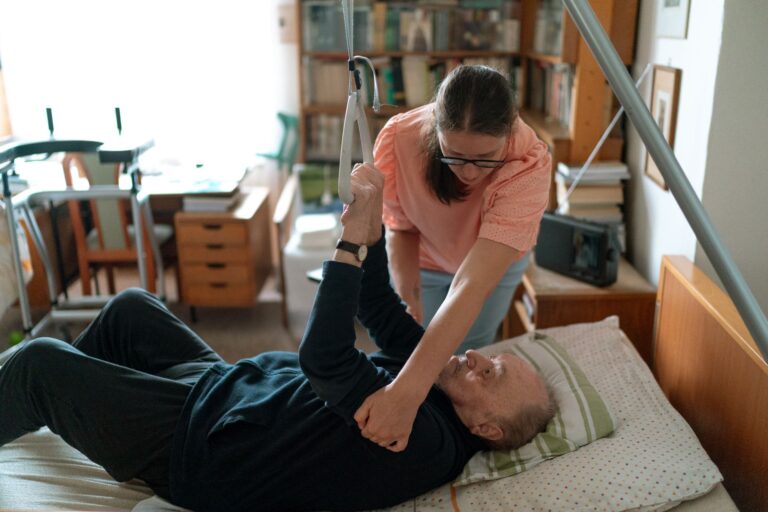
Small daily sits at the center of this dementia and brain health question.
When it comes to staying healthy and feeling good, many people think they need to hit the gym hard or spend hours working out. But actually, small daily movements can matter even more than intense workouts. These little actions you do throughout your day add up in ways that big exercise sessions sometimes can’t match.
Our bodies are designed to move regularly, not just in bursts of heavy exercise. Sitting still for long periods can cause a lot of problems like heart disease, diabetes, anxiety, and even weaken our muscles and metabolism. On the other hand, simple activities like walking briskly, stretching a bit every hour, taking the stairs instead of the elevator, or playing with kids keep blood flowing well and help our immune system stay strong.
These small movements also reduce inflammation inside our bodies and release endorphins—the natural chemicals that boost mood and help us feel less stressed or anxious. Plus, moving outside in nature makes these benefits even stronger by lowering stress hormones like cortisol and improving mental health.
You don’t have to be an athlete or run marathons to get these perks. Just weaving movement naturally into your daily routine—like gardening or walking through a park—can make a big difference over time.
Even short bursts of activity count. For example, quick exercises such as bodyweight squats or push-ups done consistently every day improve strength and mental well-being without needing long workout sessions. This kind of steady progress is often more sustainable for most people than trying to do intense workouts sporadically.
While regular exercise is important for longevity and reducing risks of chronic diseases when done at recommended levels each week (like 150 minutes of moderate activity), adding modest amounts if you’re currently inactive brings huge benefits too. Small steps toward moving more can lower chances of heart disease by about 20-30%, reduce cancer risk slightly with brief vigorous efforts during daily life (like fast stair climbing), and improve overall fitness gradually but surely.
In essence, it’s not just about how hard you work out once in a while—it’s about keeping your body gently active all day long through many small movements that support your health quietly but powerfully over years.
For more, see CDC — Alzheimer’s and Dementia.