Reviewed by the Help Dementia Editorial Team — our editors review every article for accuracy against guidance from the National Institute on Aging, the Alzheimer’s Association, and peer-reviewed sources.
Nursing home staff need dementia-specific skills because standard care protocols are insufficient for residents whose brains are actively degenerating. Dementia fundamentally alters how a person perceives reality, processes information, and responds to their environment—and generic caregiving techniques often escalate confusion, agitation, and behavioral crises rather than prevent them. A nursing assistant trained to redirect a confused resident away from a locked door will prevent an incident that untrained staff might handle by arguing, restraining, or calling emergency services. Without this specialized knowledge, facilities create a cascade of unnecessary problems: residents languish in emotional distress, staff face burnout from preventable conflicts, and families lose trust in the care their loved ones receive.
The cost of inadequate training extends beyond daily frustration. Residents with dementia who receive staff trained in person-centered approaches show measurably better outcomes—lower rates of wandering injuries, fewer falls, reduced medication use for behavioral management, and better nutritional intake. Conversely, facilities that rely on general caregiving training report high staff turnover, more incident reports, and lower family satisfaction scores. The difference is not philosophical but practical: dementia-specific skills teach staff to work with the disease, not against it.
Table of Contents
- What Specific Skills Do Dementia-Trained Nursing Home Staff Possess?
- How Dementia Changes the Brain and Why Standard Care Falls Short
- Behavioral Challenges in Dementia and How Training Prevents Crises
- Assessing Individual Needs and Tailoring Care Plans
- Documentation, Safety Protocols, and Preventing Harm
- Family Communication and Setting Realistic Expectations
- Building Sustainable Training Programs and Long-Term Impact
- Conclusion
What Specific Skills Do Dementia-Trained Nursing Home Staff Possess?
dementia-specific training equips staff with concrete tools that general care training does not cover. These include techniques for validating a resident’s emotional experience rather than correcting false beliefs, recognizing early signs of delirium or pain in someone who cannot articulate symptoms, and understanding how to break tasks into smaller steps when memory and processing speed decline. Staff learn to identify “triggers”—environmental factors, times of day, or care routines that commonly provoke distress—and to modify approaches accordingly. For example, a resident who becomes agitated during showering might respond better to a bed bath with warm washcloths and gentle explanations, or to shorter sessions with rest breaks, rather than standard bathing protocols. Another critical skill set involves environmental awareness. Dementia-trained staff understand how lighting, noise, signage, and spatial layout affect resident behavior.
A poorly lit hallway might seem like a sensory-deprivation chamber to someone with dementia, causing anxiety; trained staff will advocate for better lighting and recognize the behavioral improvement that results. They also learn to spot the difference between behaviors rooted in dementia (such as sundowning, a predictable increase in confusion in late afternoon) and those signaling a medical problem like urinary tract infection, which can mimic dementia symptoms but requires different intervention. Communication approaches differ fundamentally in dementia care. Rather than abstract explanations, trained staff use simple sentences, visual cues, and repetition without showing frustration when the same question is asked for the tenth time that hour. This approach prevents the shame and distress a resident might feel if staff communicates impatience, while also preventing unnecessary conflict. Studies show that facilities with trained staff report fewer behavioral incidents precisely because staff adjust their communication style to match the resident’s cognitive ability rather than expecting the resident to adapt to standard protocols.

How Dementia Changes the Brain and Why Standard Care Falls Short
Dementia is not simple forgetfulness—it involves progressive damage to multiple brain regions that control memory, judgment, language, spatial awareness, and emotional regulation. Different dementias affect different regions first: Alzheimer’s typically begins in the hippocampus (memory), while frontotemporal dementia damages the frontal lobe (judgment and impulse control). A resident with early-stage frontotemporal dementia might seem combative and irrational to untrained staff who interpret behavior as “acting out,” when the resident’s judgment centers are actually failing—they literally cannot evaluate consequences or understand why they shouldn’t hit a staff member. The limitation of standard care training is that it assumes residents retain baseline cognitive function and that behavioral problems stem from willfulness, manipulation, or psychiatric conditions. This assumption leads to punitive or dismissive responses: isolating a resident who wanders, medicating a resident who is agitated rather than investigating the cause, or avoiding a resident who becomes angry during personal care. Dementia-specific training instead teaches staff that behavior is communication. A resident who refuses breakfast and pulls at their clothes may have a urinary tract infection causing discomfort and confusion.
A resident who hoards tissues might be responding to an old habit or expressing anxiety. Trained staff investigate these possibilities rather than dismissing the behavior as dementia. Another critical difference: standard care trains staff to maintain professional distance and consistency, which works well for many populations but can be counterproductive in dementia care. A person with severe dementia cannot remember yesterday’s conversation, so seeing the same staff member daily provides no memory-based reassurance. However, that staff member’s calm demeanor, warm tone, and willingness to meet the resident in their reality, rather than correcting them, provides immediate emotional safety. Trained staff understand this and modify their approach accordingly. The limitation is that this requires genuine emotional labor—staff cannot simply execute a protocol and clock out. Facilities that do not acknowledge and support this emotional component see high burnout and staff turnover.
Behavioral Challenges in Dementia and How Training Prevents Crises
Nursing home residents with dementia frequently exhibit behaviors that alarm untrained staff: wandering, aggression, refusal of care, repetitive questioning, and accusations. Without training, these behaviors often trigger escalation cycles. A resident who refuses medication might be physically restrained or sedated. A resident who accuses staff of stealing might be isolated. A resident who wanders might be confined to their room. Dementia-specific training teaches staff to pause and problem-solve instead. Consider a real example: a resident with moderate Alzheimer’s disease becomes aggressive during dressing, hitting the aide who tries to help. An untrained response might be to dress the resident quickly and roughly, or to call a supervisor to “handle” the resident, creating shame and fear.
A dementia-trained aide might instead recognize that the resident may not understand what the aide is doing or may fear that clothing is being forced onto them. The aide would slow down, explain each step in simple words, offer choices (“this shirt or that shirt?”), allow the resident to participate in dressing rather than being dressed, and potentially spread the task across multiple shorter sessions. Frequently, the aggressive behavior stops not because the resident is medicated, but because the source of confusion and fear is removed. Wandering is another common behavior that trained staff manage differently. Untrained staff might see a resident walking repeatedly down a hallway and view it as a problem to be stopped through locks or medication. Trained staff recognize that the resident might be looking for a bathroom, searching for a lost loved one, re-experiencing a daily routine from earlier in life (such as going to work), or simply needing to move. Rather than stopping the behavior, trained staff might ensure the environment is safe for walking, accompany the resident, or discover what unmet need is driving the behavior. Some facilities that implement dementia-specific care protocols report that wandering decreases naturally once underlying needs are addressed, reducing the need for restrictive measures.

Assessing Individual Needs and Tailoring Care Plans
A major distinction between generic and dementia-specific care is the attention to individual assessment. Standard protocols apply the same approach to all residents; dementia-specific care recognizes that a 75-year-old with early-stage vascular dementia has entirely different needs, abilities, and triggers than an 88-year-old with advanced Alzheimer’s. Trained staff learn assessment tools such as the Brief Cognitive Assessment Tool or the Montreal Cognitive Assessment, which measure specific domains of function rather than simply noting “dementia.” This individualized approach directly improves outcomes. For example, one resident might respond well to structured activities and clear expectations, while another thrives with flexibility and spontaneity. One resident might have retained the ability to read and feel reassured by written communication, while another relies entirely on verbal and visual cues. One resident might feel respected and engaged by being given responsibilities (folding linens, helping with meal prep), while another experiences this as pressure and prefers passive engagement.
Without dementia-specific training, staff might apply the same approach to all three residents and wonder why one resists care while others seem content. Trained staff tailor approaches based on the individual’s cognitive profile, past preferences, and current abilities. A comparison: A facility using standard protocols might have one shower schedule that all residents follow, with one approach to bathing used for everyone. A dementia-trained facility develops shower preferences based on each resident’s history and tolerance—one resident showers in the morning when alert, another at midday when sundowning hasn’t begun, another receives bed baths because the shower environment triggers severe anxiety. Outcomes include fewer behavioral incidents, less staff injury, and higher resident dignity. The tradeoff is that this requires more skilled assessment and coordination, and cannot be delivered by minimum-wage staff with no training. Facilities must invest in training and often in better compensation to retain trained staff.
Documentation, Safety Protocols, and Preventing Harm
Dementia-specific staff training must include rigorous documentation of behavioral patterns, triggers, and responses that work. This is not busywork—it is a safety mechanism. A resident who becomes agitated in the afternoon requires documentation of what triggers the agitation, what interventions the nurse tried, and what actually helped. Without this documentation, the next shift might repeat failed approaches, causing unnecessary escalation. Trained staff learn to document not just what happened (“resident aggressive at 2 PM”) but the context and effective interventions (“resident confused and agitated 2 PM, appeared to search for bathroom; offered toileting, resident calmed immediately; subsequent toileting offered every 2 hours through evening with good response”). A critical limitation is that dementia-specific care requires staff to resist the urge to use chemical or physical restraints as shortcuts. A resident who is agitated due to pain, fear, or unmet need should not be automatically sedated; the appropriate response is to investigate and address the cause.
However, this approach requires more staff time, more careful assessment, and more tolerance for resident distress during the investigation period. Facilities facing staffing shortages might face pressure to medicate rather than invest the time in assessment. The warning is clear: facilities that cut corners on dementia-specific protocols typically increase reliance on psychotropic medications, which carry their own risks in elderly populations (falls, overdose, accelerated cognitive decline). Safety also encompasses preventing the harm that residents can inflict on themselves or others. A resident with poor judgment and no impulse control might decide to drink cleaning fluid or to hit another resident. Dementia-trained staff learn environmental safety: securing hazardous materials, arranging furniture to prevent falls, assessing roommate compatibility to prevent conflict. They also learn de-escalation techniques so that if a resident becomes aggressive, staff can manage the situation without physical confrontation or restraint. This training prevents injuries to both residents and staff—a substantial but often-overlooked benefit of proper dementia care training.
Family Communication and Setting Realistic Expectations
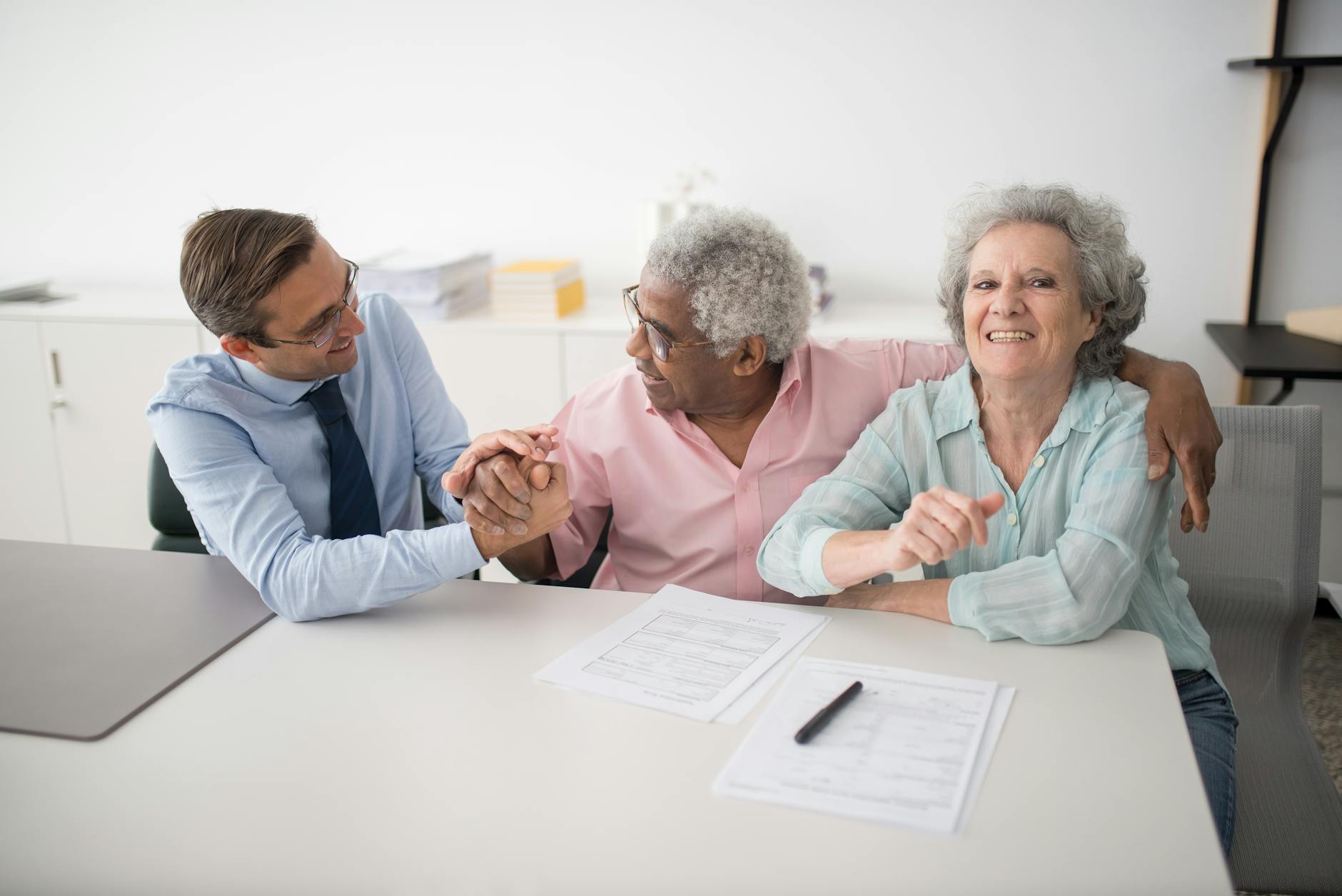
Dementia-specific training includes communication with families, who often arrive at nursing homes with expectations shaped by their prior relationship with the resident. A family member might expect their parent to remember them visit-to-visit, or to retain enough judgment to participate in medical decisions. Without training, staff might reinforce false hope (“Your mother is having a good day, her memory is improving”) or convey hopelessness (“He just has dementia, there’s nothing we can do”). Dementia-trained staff communicate honestly about the resident’s abilities and prognosis while offering concrete ways families can remain connected.
For example, a daughter might be devastated that her mother no longer recognizes her. A trained staff member would explain that while memory-based recognition is lost, the mother can still experience emotional connection—she might smile at her daughter’s voice or touch, even if she does not consciously remember the relationship. The staff member might suggest activities they can do together (looking at pictures, listening to music from the mother’s era, taking a walk) that create positive interactions in the moment rather than depending on the mother’s ability to retain memories. This reframes the experience from loss to present-moment connection, which reduces family distress and often increases family involvement—which itself benefits the resident.
Building Sustainable Training Programs and Long-Term Impact
The challenge with dementia-specific training is not identifying what works—research is clear—but embedding it sustainably within the nursing home system. One-time training workshops have minimal impact; staff require ongoing education, reinforcement, and support. Facilities that see lasting improvement typically combine initial training with monthly case conferences where staff discuss residents, share observations, and problem-solve together; regular training refreshers; and a culture where dementia-specific approaches are modeled and valued by leadership. Looking forward, the increasing prevalence of dementia means that this training will become essential rather than optional.
By 2050, an estimated 6 million Americans will have Alzheimer’s disease, with many spending their final years in nursing homes. Facilities that do not invest in dementia-specific staff training will find themselves unable to provide adequate care, liable for harm, and unable to recruit staff who seek meaningful work. Conversely, facilities that make this investment report better clinical outcomes, higher staff retention, and stronger community reputation. The forward-looking insight is that dementia-specific staff training is not an optional enhancement but a core business and ethical requirement for any facility serving residents with cognitive decline.
Conclusion
Nursing home staff need dementia-specific skills because the disease fundamentally alters residents’ perception, communication, and behavior in ways that standard care training does not address. Without this specialized knowledge, well-intentioned staff inadvertently escalate behavioral crises, overlook medical problems, and apply one-size-fits-all approaches to residents with highly individual needs. The result is increased suffering for residents, burnout for staff, and liability for facilities.
The evidence is robust: staff trained in dementia-specific approaches deliver better outcomes across measurable metrics—fewer behavioral incidents, better nutritional intake, reduced reliance on medications, lower staff turnover, and higher family satisfaction. Investing in this training requires facilities to acknowledge that dementia care is skilled work requiring education, emotional labor, and systemic support. For residents and their families, this investment translates directly into dignity, safety, and quality of life in the final chapter of life.
You Might Also Like
- Can Dementia Care Be Improved With Better Staff Training?
- Why Incontinence Happens in Cognitive Decline
- How to Plan a Dementia-Friendly Trip
For more, see Alzheimer’s Association — clinical trials.