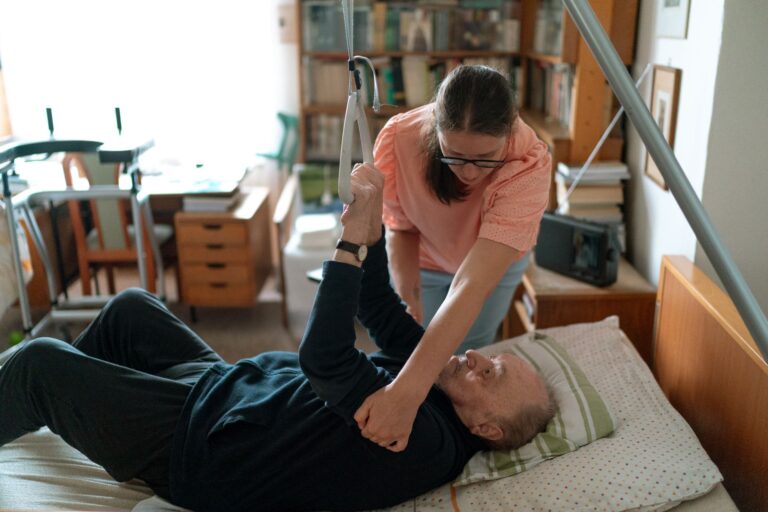
Muscle imbalance sits at the center of this dementia and brain health question.
Muscle imbalance might not be something you think about every day, but it’s quietly one of the biggest threats to your body right now. When muscles on one side of your body are stronger or tighter than those on the other, or when some muscles work overtime while others lag behind, it sets off a chain reaction that can mess with everything from how you move to how you feel.
Think about it like this: your body is designed for balance and symmetry. When one muscle group gets lazy or weak—maybe because you sit too much, favor one side during activities, or don’t stretch properly—other muscles have to pick up the slack. This uneven workload causes certain muscles to become tight and overactive while others become weak and underused. Over time, this imbalance throws off your posture and alignment.
One common example is “dead butt syndrome,” where sitting for long periods causes the gluteal muscles in your buttocks to essentially “forget” their job supporting your pelvis. When these important stabilizers aren’t working right, other parts of your body compensate in unhealthy ways. This can lead to pain not just in the hips but also radiating down into the legs or up into the lower back.
Muscle imbalances also increase your risk of muscle spasms—those sudden painful contractions that can stop movement in its tracks—and make injuries more likely because some joints get pulled out of their natural position repeatedly. Your range of motion shrinks as tight muscles restrict movement while weaker ones fail to provide proper support.
Balance problems often stem from these muscular issues too since coordination depends heavily on strong and balanced muscle groups working together smoothly with signals from eyes, ears, brain, and nerves.
The scary part is that many people don’t realize they have a muscle imbalance until pain or stiffness becomes severe enough to interfere with daily life—or worse yet—a serious injury occurs during routine activity.
Fixing muscle imbalance isn’t complicated but requires awareness: moving regularly instead of sitting all day; stretching tight areas; strengthening weak ones; paying attention if one side feels different than the other; and sometimes seeking professional help like physical therapy for targeted exercises.
Ignoring these signs lets small imbalances grow into bigger problems that affect everything—from how well you walk and stand—to whether chronic pain becomes part of everyday life without warning. Muscle imbalance isn’t just an inconvenience—it’s a silent threat undermining health beneath our very skin right now.
For more, see Alzheimer’s Association.