Reviewed by the Help Dementia Editorial Team — our editors review every article for accuracy against guidance from the National Institute on Aging, the Alzheimer’s Association, and peer-reviewed sources.
Managing depression effectively requires far more than relying on medication alone. While antidepressants play an important role for many people, the evidence increasingly shows that depression is fundamentally a condition of the whole person—affecting sleep, movement, social connection, nutrition, and stress resilience. When someone focuses exclusively on finding the “right pill,” they often miss the interventions that create the most durable improvements in mood, cognitive function, and long-term brain health. The reality is that medication alone rarely produces lasting recovery. A person taking an antidepressant but remaining sedentary, isolated, and chronically stressed will likely experience incomplete relief and remain vulnerable to relapse. In contrast, someone who addresses sleep patterns, builds regular physical activity, strengthens relationships, and develops stress management skills often sees dramatic improvements even if medication plays only a supporting role. This distinction matters especially for brain health.
Depression isn’t just an emotional state—it’s a condition that alters inflammation levels, disrupts the stress response system, and changes how the brain functions at a cellular level. Managing depression comprehensively means addressing the root causes of these changes, not just masking symptoms. Consider the case of a 52-year-old woman who spent three years on various antidepressants with minimal improvement. Only when she added three 30-minute walks per week, joined a book club, and addressed her erratic sleep schedule did her mood genuinely lift. Her medication hadn’t changed, but the context around it transformed her recovery. Understanding why management matters more than medication is essential for anyone supporting someone with depression, or for those navigating depression themselves. This article explores what research actually shows about depression treatment and why a comprehensive approach produces better outcomes for brain health.
Table of Contents
- The Scope of Depression and Why Medication Alone Falls Short
- Depression as a Whole-Person Condition Requiring Whole-Person Management
- The Evidence for Exercise and Movement as Core Treatment
- Emerging Treatments and the Microbiome-Brain Connection
- Brain Health, Cognitive Function, and the Long-Term Stakes
- Building a Sustainable Management Plan
- The Future of Depression Care
- Conclusion
The Scope of Depression and Why Medication Alone Falls Short
Depression has reached epidemic proportions in the United States. As of 2025, approximately 47.8 million Americans—18.3% of all adults—currently have depression or are being treated for it, marking a historic high. Yet here’s the gap that matters most: only 39-40% of individuals age 12 and older with depression receive counseling or therapy, and just 11.4% of American adults take prescription antidepressants. This means the vast majority of people with depression are receiving either no treatment at all or are relying on medication without the supporting interventions that make recovery durable. The demographic breakdown reveals why medication-only approaches fail so many people. Young adults aged 18-29 have the highest depression rates at 26.7%—more than double the 13% rate from 2017. This generation needs more than pills; they need help rebuilding the patterns of movement, sleep, and connection that depression has disrupted.
Women report depression at nearly double the rate of men, with a 36.7% lifetime diagnosis compared to about 20% for men. And those facing economic hardship experience depression at staggering rates: 35.1% of adults earning less than $24,000 annually have depression compared to roughly 10% of higher earners. Medication costs money, and when someone is struggling financially while also fighting depression, even access to pills becomes unreliable. The limitation of medication-only treatment becomes obvious when we examine how the brain actually works. Antidepressants typically work by altering neurotransmitter levels—increasing serotonin or norepinephrine availability. But they don’t rebuild the neural pathways that chronic depression has weakened. They don’t restore sleep architecture, reverse the inflammatory cascade that depression triggers, or rebuild the social connections and physical capacity that depression has degraded. This is why someone can be “medicated” yet still feel stuck.

Depression as a Whole-Person Condition Requiring Whole-Person Management
Depression affects the entire brain, not just the neurotransmitter systems that medication targets. When someone is depressed, their prefrontal cortex—the region responsible for planning, decision-making, and emotional regulation—becomes less active. The amygdala, which processes fear and threat, becomes overactive. The hippocampus, critical for memory and learning, actually shrinks. Inflammation markers rise throughout the body, including in the brain tissue. Sleep becomes fragmented. The stress response system becomes hypersensitive, meaning normal challenges trigger disproportionate alarm responses. Medication can help normalize some of these changes, but only if the person simultaneously addresses the lifestyle, social, and behavioral factors that maintain depression.
This is where comprehensive management becomes essential. Someone who remains sedentary, continues irregular sleep, avoids meaningful social contact, and stays trapped in rumination patterns will fight against their medication’s effects. The medication is trying to restore chemical balance while the person’s daily life continues to reinforce depression’s neural patterns. It’s like taking medication for high blood pressure while continuing to eat processed food and skip exercise—the medicine has to work against the lifestyle. A critical limitation here is that medication can actually become a false security blanket. When someone starts an antidepressant and feels slightly better, they might believe the chemical imbalance has been “fixed” and not take the harder steps of changing their behavior. But depression didn’t develop solely from a chemical imbalance; it developed from the interaction between genetic vulnerability, traumatic experiences, chronic stress, poor sleep, isolation, and lack of physical activity. Medication doesn’t address these root causes. Without addressing them, the depression remains primed to return as soon as the medication is stopped or the person faces new stress.
The Evidence for Exercise and Movement as Core Treatment
The research on exercise for depression has become impossible to ignore. A comprehensive Cochrane review analyzing 73 randomized controlled trials involving nearly 5,000 adults found that light to moderate intensity exercise produces improvements in depressive symptoms that are equivalent to psychological therapy and antidepressant medication. Even more striking: just 13-36 sessions of regular exercise showed measurable benefits. Mixed exercise programs combining aerobic activity with resistance training appeared even more effective than aerobic exercise alone. This finding has profound implications. It means that someone with depression doesn’t necessarily need to choose between medication, therapy, and exercise—they need all three, with exercise being as fundamental as the other two. A person who walks for 30 minutes four times per week is engaging in a treatment with the same evidence base as their antidepressant prescription. Yet most people with depression aren’t doing this. They’re taking pills and waiting to feel better while remaining sedentary. Movement changes the brain.
It increases BDNF (brain-derived neurotrophic factor), which promotes the growth of new neurons and strengthens existing neural connections. It reduces inflammation. It improves sleep quality. It provides natural mood elevation through endorphin release. It creates a sense of accomplishment and restored capability—experiences that depression has stripped away. The limitation here is that depression makes movement feel impossible. Someone in the depths of depression experiences their body as heavy, slow, and alien. The motivation to exercise doesn’t exist. This is why exercise can’t be the only intervention—someone might need medication or therapy to reach a place where movement feels possible. But the goal should always be to add movement to the treatment plan, because it offers something medication and therapy alone cannot: it reverses the physical deconditioning and cellular changes that depression creates.

Emerging Treatments and the Microbiome-Brain Connection
Beyond traditional medication and exercise, newer treatments are expanding how we understand and manage depression. Transcranial Magnetic Stimulation (TMS) has emerged as a powerful alternative for people who don’t respond to standard antidepressants. In clinical trials, 58% of patients achieved at least a 50% reduction in symptoms, and 37% achieved full remission after completing a 36-session treatment protocol. For someone who has tried multiple medications without relief, TMS offers a neurobiological approach that works through different mechanisms than pills. The FDA has also approved Zurzuvae (zuranolone), the first oral medication specifically designed for postpartum depression. Rather than targeting serotonin, it works through the neurosteroid system to address the hormonal imbalances that trigger postpartum depression.
This represents a shift toward more targeted, mechanism-specific treatments—moving away from the older approach of prescribing the same antidepressant to everyone. One of the most intriguing developments in depression treatment involves the gut microbiome. Research increasingly shows that gut bacteria composition directly affects inflammation levels, brain chemical production, and stress response patterns—all factors linked to depression. The gut produces about 90% of the body’s serotonin, and the bacterial community living there influences this production. Someone with depression might benefit not just from antidepressants and exercise, but from dietary changes that feed beneficial bacteria. A comparison: treating depression with medication while ignoring gut health is like treating a diabetic’s blood sugar without addressing their diet. The core problem remains unaddressed.
Brain Health, Cognitive Function, and the Long-Term Stakes
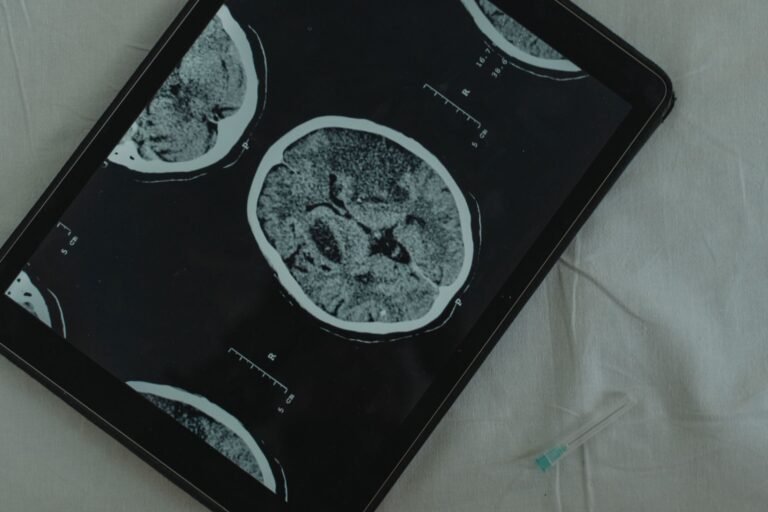
Depression damages the brain in ways that extend far beyond mood. Chronic depression accelerates cognitive decline, increases dementia risk, and creates lasting changes in brain structure. The hippocampus—critical for forming new memories—shrinks in people with chronic depression. The prefrontal cortex becomes less responsive. White matter integrity deteriorates. These aren’t temporary changes that reverse with an antidepressant alone; they require active cognitive rehabilitation through new learning, physical activity, and mental engagement. This is where managing depression comprehensively becomes a question of brain longevity.
Someone who treats depression solely with medication while remaining cognitively passive, socially isolated, and sedentary is allowing their brain to age faster than it should. In contrast, someone who combines appropriate medication with exercise, social engagement, cognitive challenges, and stress management is actively preserving brain structure and function. For people concerned about dementia risk—especially relevant for those reading a dementia care website—managing depression effectively is one of the most powerful preventative strategies available. A critical warning: untreated or inadequately treated depression significantly accelerates cognitive decline. This isn’t hyperbole. Longitudinal studies show that people with persistent depression experience steeper cognitive slopes in their 60s and 70s compared to those without depression. The window to intervene is now, before depression causes permanent structural changes. Medication without lifestyle change may be insufficient protection against this risk.

Building a Sustainable Management Plan
Effective depression management requires integration across multiple domains. A realistic plan typically includes four elements: appropriate medication (if indicated by a healthcare provider), regular physical activity, consistent sleep structure, and meaningful social connection. The order doesn’t matter—any one can become the entry point. Someone might start with medication and add exercise once they have enough energy. Someone else might begin with joining a group and add movement as their social motivation strengthens.
Consider a practical example: a 61-year-old man with depression started with a selective serotonin reuptake inhibitor (SSRI) but saw only modest improvement. His therapist suggested he also join a woodworking class (cognitive engagement plus social connection) and commit to walking on alternate mornings. Six months later, he had substantially improved and eventually was able to reduce his medication dose. The medication had been necessary to get him to a point where other changes felt possible, but those other changes created the durable improvement. This is how effective management actually works.
The Future of Depression Care
The landscape of depression treatment is shifting from a medication-centric model toward an integrated, precision-medicine approach. Digital therapeutics apps are positioned to capture 50% of the mental health treatment market as patients seek accessible, personalized treatment options. These platforms deliver therapy protocols, track mood patterns, and provide guided exercise and sleep interventions. For people in remote areas or with limited access to traditional therapy, this represents a genuine breakthrough.
The tradeoff: digital tools work best when combined with human contact, not as complete replacements for therapy or medical supervision. The emerging understanding is that depression management in the future will look less like “find the right pill” and more like “build the right life.” This doesn’t mean medication becomes less important—for many people it’s essential. It means understanding that medication is one tool among several, and that the other tools—movement, sleep, connection, meaning, cognitive engagement—are equally crucial for brain health and recovery. As research continues to demonstrate that lifestyle interventions produce effects equivalent to or exceeding medication alone, the standard of care will increasingly expect comprehensive approaches rather than medication monotherapy.
Conclusion
Managing depression effectively is fundamentally about managing the whole person and protecting the brain, not just about managing symptoms through medication. The evidence is clear: exercise equals medication and therapy in effectiveness. The statistics are stark: 47.8 million Americans have depression, yet only 40% receive counseling and just over 10% take antidepressants. Those numbers reveal a massive gap between what people need and what they’re getting. That gap often exists because people and healthcare systems continue to treat depression as primarily a medication problem rather than a comprehensive brain health challenge.
The path forward requires a shift in how people with depression—and those who support them—think about recovery. Medication has an important role. So does exercise, sleep, social connection, meaningful work, cognitive engagement, and stress management. Someone genuinely committed to managing their depression will address all of these domains, not just the one that feels easiest. The reward for this more demanding approach is genuine recovery, protected brain health, and resilience that lasts.