Reviewed by the Help Dementia Editorial Team — our editors review every article for accuracy against guidance from the National Institute on Aging, the Alzheimer’s Association, and peer-reviewed sources.
Limiting ultra sits at the center of this dementia and brain health question.
Limiting ultra-processed foods may protect your brain more effectively than many medications we prescribe for cognitive decline. This isn’t hyperbole—it’s what recent neuroscience is showing us. When you consume foods high in ultra-processing, you’re exposing your brain to a cascade of effects that medication often can’t reverse: inflammation, structural changes in memory centers, and accelerated cognitive aging. A 10% increase in ultra-processed food intake is associated with a 16% higher risk of cognitive impairment, and people consuming the most ultra-processed foods face a 25–35% excess risk of developing dementia. These aren’t small numbers, and they rival or exceed the effect sizes of many pharmaceutical interventions.
The paradox is this: we spend billions developing drugs to slow cognitive decline while overlooking one of the most powerful tools we have—the fork on your plate. Consider a typical 60-year-old eating processed breakfast cereals, packaged lunch meats, and frozen dinners. Over eight years, they’re experiencing cognitive decline 28% faster than someone eating whole foods, with their executive function declining 25% faster. Meanwhile, their neurologist might be discussing a medication with modest benefits and significant side effects. Food isn’t just fuel; it’s information your brain reads in real time, shaping its structure, function, and long-term trajectory.
Table of Contents
- How Ultra-Processed Foods Damage Brain Function Faster Than Most Medications Can Help
- Dementia Risk Soars With Ultra-Processed Food, Creating a Preventable Epidemic
- Alzheimer’s and Parkinson’s—Two Pathways, Same Root Cause
- Processed Meat Deserves Special Attention—13% Higher Dementia Risk Per Serving
- Brain Structure Changes—The Physical Evidence of Ultra-Processed Food Damage
- Depression, Anxiety, and the Mood-Damaging Effects of Ultra-Processed Food
- The Stroke Risk You Might Not Know About
- Conclusion
How Ultra-Processed Foods Damage Brain Function Faster Than Most Medications Can Help
The brain is uniquely vulnerable to the damage ultra-processed foods cause, partly because it consumes about 20% of your body’s energy despite being only 2% of body weight. When you feed it ultra-processed ingredients—stripped of nutrients, loaded with added sugars and seed oils, engineered to override satiety signals—you’re starving it of the materials it needs while flooding it with inflammatory compounds. The effect isn’t gradual. After eight years of high ultra-processed food consumption, people show measurable shrinkage in the hippocampus, a brain region critical for memory formation, with a 5% reduction in volume. This is structural damage. A medication can sometimes slow further decline, but it can’t rebuild what’s already been lost. Most medications for cognitive decline work by modifying neurotransmitters or slightly slowing neurodegeneration. Their effect sizes are typically modest—slowing cognitive decline by months or years.
But dietary change works through multiple pathways simultaneously: reducing inflammation, stabilizing blood sugar, restoring gut health, and providing the micronutrients your brain needs to build and maintain neural connections. A person who shifts from high ultra-processed food consumption to whole foods may see improvements in memory and executive function within weeks—real improvements, not just slowing the decline. For someone in the early stages of cognitive impairment, this difference between halting decline and reversing it can be the difference between independence and dependence. There’s a practical limitation here, though: diet change is harder than taking a pill. A medication requires a doctor’s prescription and adherence for a few minutes a day. Changing your food environment requires confronting grocery store layouts, family habits, food marketing, and often economic constraints. Medication companies don’t exist to profit from you making this change. So even though the brain science is clear, the prescription pad remains easier.
Dementia Risk Soars With Ultra-Processed Food, Creating a Preventable Epidemic
The dementia data is particularly striking. The 2025 Framingham analysis shows that people in the highest quintile of ultra-processed food consumption have a 25–35% excess risk of all-cause dementia compared to those eating the least. To put that in perspective, this effect size is comparable to having a major genetic risk factor—yet it’s something you control three times a day. The dose matters too: consuming more than 19.9% of your daily calories from ultra-processed foods (which is where many Americans land) accelerates the overall rate of cognitive decline significantly. That 28% faster decline isn’t a prediction; it’s a measured change in how quickly cognitive scores drop in people followed over years. What makes this particularly frustrating is that we have the mechanism. Ultra-processed foods trigger chronic inflammation in the brain and gut, they disrupt the blood-brain barrier, they alter the composition of your gut bacteria in ways that increase neurotoxic metabolites, and they destabilize blood sugar in a way that damages brain cells over time.
When you reduce ultra-processed food intake, you’re addressing the root causes, not just the symptoms. Someone reducing their ultra-processed food consumption by just 10% is already reducing their dementia risk proportionally. This is disease prevention in its truest form. The limitation is that this knowledge alone doesn’t automatically change behavior. People know smoking causes lung cancer, yet many continue. People know excess alcohol damages the liver, yet consumption remains high. Knowing that processed foods damage the brain doesn’t change the fact that they’re engineered to be irresistible, affordable, and convenient. Society and food systems have to shift alongside individual choice, or individual choice becomes an act of rebellion rather than simple self-care.
Alzheimer’s and Parkinson’s—Two Pathways, Same Root Cause
The relationship between ultra-processed foods and Alzheimer’s disease is so strong that researchers are questioning whether we’ve been thinking about prevention all wrong. Each additional serving per day of ultra-processed food is associated with a 13% increased Alzheimer’s risk in people under 68, according to recent analysis. But the effect is even more dramatic in high consumers: people eating 10 or more servings of ultra-processed foods daily face a 2.7-fold increase in Alzheimer’s risk compared to those eating fewer than 10. Ten servings sounds extreme until you realize it’s a sugary cereal, a packaged snack, a processed lunch, a soda, a frozen dinner, and a dessert—a typical day for millions of people. Parkinson’s disease follows a similar pattern but with a different threshold. People consuming 11 or more servings of ultra-processed foods daily are 2.5 times more likely to develop three or more Parkinson’s signs.
This isn’t about getting the disease versus not getting it—it’s about the rate of symptom progression and severity. Someone with Parkinson’s eating primarily whole foods may have slower progression and better medication response than someone eating primarily ultra-processed foods. The food isn’t causing the disease in most cases, but it’s accelerating its onset and worsening its course. The distinction matters clinically. Neurologists treating Parkinson’s or Alzheimer’s often don’t mention diet as a primary intervention, yet the evidence suggests dietary change might be as important as any medication they prescribe. This isn’t because doctors are dismissing diet; it’s because we’ve historically compartmentalized diet into “preventive care” and “general health” rather than recognizing it as central neurology. That framework is changing, but the change is slow.

Processed Meat Deserves Special Attention—13% Higher Dementia Risk Per Serving
Among ultra-processed foods, processed red meat stands out as particularly damaging to brain health. People consuming at least 0.25 servings daily of processed red meat—roughly one serving every four days—have a 13% higher dementia risk. Extend that to someone eating processed meat daily, and the compounded risk becomes substantial. What’s more concerning is that cognitive aging accelerates by approximately 1.6 years per daily serving of processed meat. This means someone eating processed meat daily is cognitively aging 1.6 years faster than someone not eating it. By age 70, this could represent 15–20 years of accelerated aging.
Processed meats are particularly problematic because they combine multiple brain-damaging elements: refined carbohydrates (often in breading or fillers), added sodium (which affects blood pressure and vascular health), processed nitrates and nitrites (which damage endothelial function), and saturated fat profiles that promote inflammation. Unlike fresh meat, which contains beneficial B vitamins and bioavailable protein, processed meats are engineered products where the nutrients have been extracted and harmful additives inserted. A hamburger made from fresh beef and eaten with vegetables is vastly different from a fast-food burger on a refined bun with processed cheese—the second is driving neurological damage at a much faster rate. The practical challenge is that processed meats are among the cheapest, most convenient protein sources available. They require no preparation, no cooking skill, and fit modern eating patterns perfectly. For families struggling economically, shifting away from processed meats to whole protein sources requires both money and time—neither of which is abundant in low-income households. This creates a troubling inequity where people with fewer resources face higher dementia risk, not purely from genetics but from food environment.
Brain Structure Changes—The Physical Evidence of Ultra-Processed Food Damage
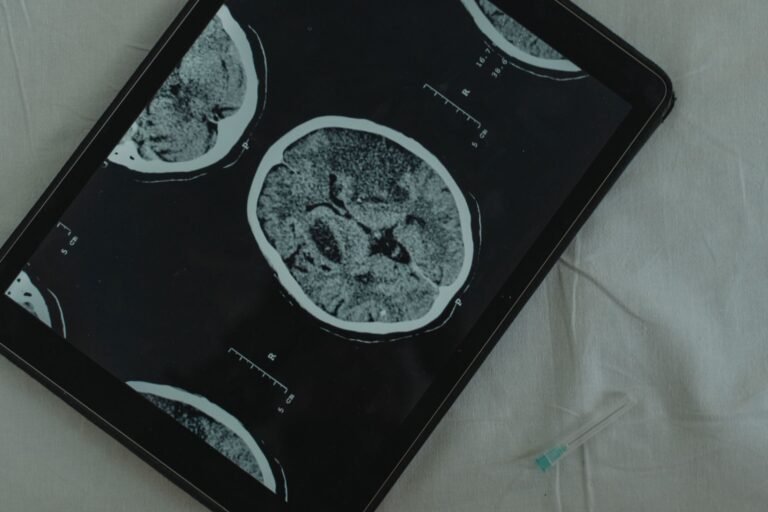
One of the most compelling findings is that ultra-processed food consumption doesn’t just correlate with dementia risk—it changes brain structure measurably. The 5% reduction in hippocampal volume associated with high ultra-processed food intake represents actual brain atrophy. The hippocampus is where memories are encoded and consolidated; if it’s shrinking, memory problems become inevitable. These aren’t subtle changes visible only in population statistics. They’re visible on individual brain MRIs, and they correlate with functional memory loss. The mechanism involves both direct toxicity and indirect effects. Ultra-processed foods trigger chronic inflammation, which damages hippocampal neurons. They destabilize gut bacteria composition, allowing bacterial products to cross a weakened intestinal barrier and activate brain inflammation. They spike blood sugar in ways that damage blood vessels supplying the brain.
They’re deficient in the micronutrients needed for myelin formation and neural repair. When you add these together, you’re not just creating a hostile environment for brain aging—you’re actively degrading existing brain tissue. A medication might slow this process slightly, but it can’t address the root cause without dietary change. What’s important to understand is that this damage accumulates over years. A single processed meal doesn’t shrink your hippocampus. But consistent ultra-processed food consumption, month after month and year after year, slowly reshapes your brain’s structure. This means that changing your diet at age 60 or 70 can still prevent further decline, but it may not fully restore what’s been lost. Prevention in earlier decades—when the hippocampus is still healthy—is far more valuable than intervention after significant atrophy has occurred. This is why messaging about brain health needs to reach people before they reach old age, not just when cognitive problems emerge.

Depression, Anxiety, and the Mood-Damaging Effects of Ultra-Processed Food
Ultra-processed food consumption is associated with depression, anxiety, and dysregulated lipid metabolism—effects on mental health that rarely get discussed in the context of dementia prevention. Yet mood disorders and cognitive decline are linked; depression itself accelerates cognitive aging, and the inflammation driving depression is the same inflammation damaging memory and executive function. The research from the University of Michigan shows that ultra-processed foods affect reward processing in your brain in ways similar to nicotine and alcohol—they’re neurologically addictive, not just behaviorally habit-forming.
This means that someone eating ultra-processed foods is often facing both the direct neurotoxic effects of the foods and the additional cognitive damage from mood disorders triggered by those same foods. A person struggling with depression linked to ultra-processed food consumption might be prescribed an antidepressant, which helps, but they’re not addressing the root cause. If the depression is being driven by food choice, medication alone will always feel like it’s fighting an uphill battle. The person needs the medication to stabilize mood while making dietary changes to address the underlying driver.
The Stroke Risk You Might Not Know About
Greater ultra-processed food intake is associated with increased stroke risk, with the effect being even larger in Black populations. This matters for brain health because strokes are a major cause of vascular dementia—cognitive decline caused by reduced blood flow to the brain. Unlike Alzheimer’s disease, which is neurodegenerative at the cellular level, vascular dementia is driven by vascular dysfunction. Ultra-processed foods damage blood vessels through inflammation, endothelial dysfunction, and effects on blood pressure regulation. So ultra-processed foods increase dementia risk both through direct neurological damage and through vascular mechanisms.
The dietary solution addresses both pathways simultaneously. This also highlights something often missing from discussions of health disparities: food environment is a significant contributor to health inequality. Communities with less access to fresh foods, higher concentrations of fast-food restaurants, and economic pressures that make ultra-processed foods more affordable will inevitably see higher rates of both stroke and dementia. Medication alone can’t solve this. It requires acknowledging that dementia prevention is partly a public health and food systems issue, not just an individual behavior issue.
Conclusion
The evidence is now clear: limiting ultra-processed foods matters more than medication for brain health because it addresses root causes rather than symptoms. You can’t medicate your way out of a chronically inflammatory diet. The 16% increased risk of cognitive impairment from a 10% increase in ultra-processed food intake, the 25–35% excess dementia risk in heavy consumers, the structural brain changes visible on imaging, and the acceleration of specific neurodegenerative diseases—all of these point to the same conclusion. Food is fundamental. Food shapes brain structure. Food determines the rate of aging. Food either drives or prevents inflammation.
Until dietary change becomes central to how we prevent and treat dementia, we’ll continue treating the disease after it’s established rather than preventing it from taking hold. If you or a loved one is concerned about cognitive decline or dementia risk, the most powerful action you can take today is examining what’s on your plate. This isn’t about perfection or extreme restriction. It’s about gradually shifting from ultra-processed foods back toward whole foods—vegetables, fruits, legumes, nuts, fish, and unprocessed meats—the foods your brain evolved to run on. This change might prevent thousands of dollars in future medication costs and, more importantly, preserve the independence, memory, and cognitive function that make life worth living. Start with one meal. Then another. The brain responds.
You Might Also Like
- Why treating sleep apnea Matters More Than Medication for Brain Health
- Why treating sleep apnea Matters More Than Medication for Brain Health
- Why treating diabetes Matters More Than Medication for Brain Health
For more, see Alzheimer’s Association.