Reviewed by the Help Dementia Editorial Team — our editors review every article for accuracy against guidance from the National Institute on Aging, the Alzheimer’s Association, and peer-reviewed sources.
Limiting alcohol sits at the center of this dementia and brain health question.
Limiting alcohol consumption is fundamentally more effective for protecting brain health than any medication currently available, because alcohol actively damages the brain while most treatments can only partially slow or address that damage after it occurs. When a 58-year-old accountant cuts back from nightly drinking to abstinence, his brain can begin rebuilding neural connections within weeks—something no Alzheimer’s drug can replicate. The distinction is stark: prevention through abstinence addresses the root cause of cognitive decline, while medications like donepezil or ibudilast work downstream, attempting to repair or reduce inflammation from damage that alcohol has already inflicted.
The evidence is overwhelming and recent. Research published in 2025 shows that any amount of alcohol consumption increases dementia risk, with heavy drinkers consuming just 8 or more alcoholic drinks per week facing a 133% higher risk of developing vascular brain lesions directly linked to memory and cognitive problems. Meanwhile, medication studies show that even the most promising interventions—like ibudilast reducing inflammation or donepezil reversing some alcohol-induced damage in laboratory settings—have limitations and cannot fully restore what alcohol destroys. For those concerned about dementia risk, the choice is clear: controlling what you drink is exponentially more powerful than controlling what you take.
Table of Contents
- How Alcohol’s Direct Brain Damage Outpaces What Medications Can Address
- Brain Structure Changes and the Window of Neuroplasticity
- What Current Medications Can and Cannot Do
- Prevention vs. Treatment—Why Stopping Drinking Wins Every Time
- The Inconvenient Truth About “Safe” Drinking Levels
- Recovery and Hope—What Brain Changes After Stopping
- Building a Sustainable Brain-Healthy Life
- Conclusion
How Alcohol’s Direct Brain Damage Outpaces What Medications Can Address
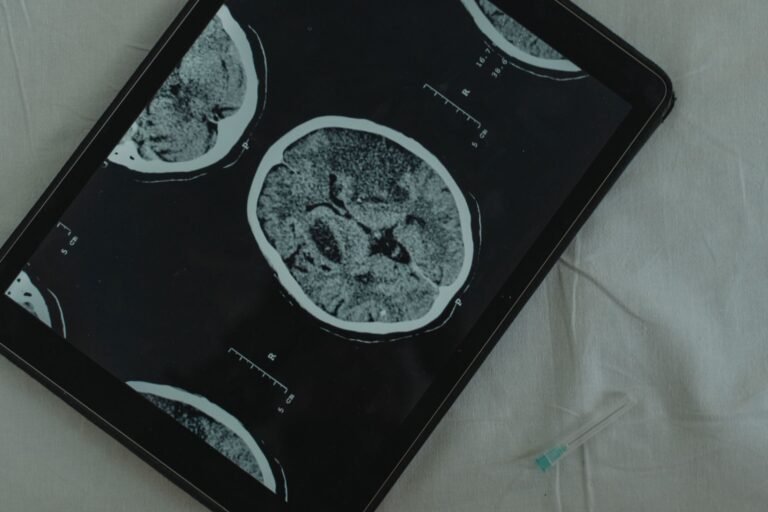
The brain damage from alcohol occurs through multiple simultaneous mechanisms that no single drug has proven capable of fully reversing. Heavy alcohol consumption physically shrinks the frontal, parietal, occipital, and temporal cortex regions responsible for memory, decision-making, and emotional regulation. A 2025 Neurology study documented that people drinking 8 or more alcoholic drinks weekly develop hyaline arteriolosclerosis—vascular brain lesions that appear on imaging and correlate directly with cognitive decline—at 133% higher rates than non-drinkers. Beyond structural damage, alcohol fundamentally rewires the dopamine system, the brain’s critical reward and motivation network.
Research from Vanderbilt University in 2025 revealed that these dopamine changes persist long after someone stops drinking, creating lasting neurochemical imbalances that medications struggle to correct. For comparison, a person who quits alcohol can expect measurable brain volume recovery within the first month of abstinence, whereas someone relying on medication alone while continuing to drink will experience progressive brain shrinkage that no pharmaceutical has demonstrated reversing at scale. The limitation here is unavoidable: medications currently treat consequences rather than cause. Donepezil, an Alzheimer’s drug, reversed brain damage from adolescent alcohol exposure in laboratory rat models, but human studies show far more modest effects, and none of these medications would stop alcohol from continuing to cause new damage if someone kept drinking.

Brain Structure Changes and the Window of Neuroplasticity
Alcohol reshapes the physical architecture of the brain in ways that accumulate over years. Heavier drinking correlates with measurable reductions in cortex volume across all developmental stages—from young adults to older people—with younger drinkers often experiencing proportionally greater structural loss because they have more brain tissue to lose. The temporal lobes, critical for memory formation, show particularly severe volume reductions in heavy drinkers, alongside widespread changes in white matter that impairs communication between brain regions. What offers genuine hope is the brain’s remarkable capacity to recover. Within the first month of abstinence, brain volume begins increasing and structural recovery becomes measurable on MRI scans.
This process continues for years—people who quit drinking in their 50s or 60s show significant gray matter regrowth well into follow-up periods. This recovery happens because neurons don’t stay damaged; they rebuild, form new connections, and the brain reallots gray matter to regions that alcohol had shrunk. The critical limitation is timing and extent. Some cognitive changes from prolonged heavy drinking may not fully recover, particularly if drinking occurred during critical developmental windows in adolescence or early adulthood. A person who drank heavily for 20 years will recover more brain volume by quitting than someone on the best available medication can expect to gain, but they won’t fully restore what was lost during those two decades. Medication cannot compress years of recovery into weeks.
What Current Medications Can and Cannot Do
Ibudilast, studied specifically for alcohol use disorder, shows that medications can reduce inflammation in the brains and bodies of people struggling with heavy drinking. When researchers gave ibudilast to AUD patients, inflammatory markers dropped measurably—a real benefit. However, ibudilast requires the person to simultaneously reduce or stop drinking; it doesn’t reverse the cognitive damage that alcohol already caused, and it works only when paired with behavioral change. Donepezil, marketed for Alzheimer’s disease, demonstrated something remarkable in animal studies: it reversed some of the brain damage from adolescent alcohol exposure in rats, reducing inflammation and improving neurogenesis (new neuron growth). These laboratory findings raised legitimate hope, but human trials have not shown equivalent results, and donepezil does nothing to prevent future alcohol-related damage if drinking continues.
It’s a backup tool, not a solution. The practical reality is that no medication makes abstinence optional. Even the most innovative pharmaceuticals under research assume that limiting alcohol consumption is the primary intervention. Medications are adjuncts—useful for managing concurrent conditions like depression or anxiety that often accompany alcohol use disorder, or for reducing cravings to support abstinence. They are not alternatives to abstinence. A person who takes ibudilast or donepezil while continuing to drink is still accumulating brain damage faster than medication can theoretically repair it.
Prevention vs. Treatment—Why Stopping Drinking Wins Every Time
Prevention through abstinence or controlled drinking is categorically more effective than any treatment strategy for dementia risk. A 45-year-old who recognizes she drinks 10 drinks per week and cuts to zero has moved from the 133% elevated risk category for brain lesions into substantially lower risk within months—with continued improvement as her brain rebuilds. Someone at the same risk level who instead enrolls in a medication trial might reduce inflammation slightly but continues accumulating the exact damage that alcohol causes. The comparison becomes starker when considering the cost-benefit analysis. A month’s supply of donepezil costs roughly $150-300 depending on the formulation and insurance coverage; abstinence costs nothing and produces superior results.
A year of comprehensive dementia care, including medications, cognitive testing, and specialist appointments, runs into tens of thousands of dollars. Preventing dementia through alcohol control costs only sustained behavioral change—genuinely difficult for people with alcohol use disorder, but ultimately addressing the problem rather than managing symptoms. The tradeoff people often fear is social and psychological, not medical. Limiting alcohol means changing drinking culture, social patterns, and sometimes medical approaches to anxiety or insomnia that people previously self-medicated with alcohol. This is a real burden, which is why comprehensive support—therapy, sometimes medication to manage withdrawal or co-occurring conditions, social connections—matters. But the neurological tradeoff favors abstinence overwhelmingly: choosing to limit alcohol is choosing to prevent dementia rather than hoping future medications might mitigate it.
The Inconvenient Truth About “Safe” Drinking Levels
Recent comprehensive research in 2025 from Oxford University published findings that fundamentally challenge the idea of moderate drinking being “safe” for the brain. Their analysis concluded that any amount of alcohol consumption increases dementia risk, with no established safe threshold. This is crucial context that contradicts decades of public messaging about “one drink per day” or “moderate consumption” being protective or neutral for brain health. For people already at elevated dementia risk—those with family history, existing cognitive concerns, or history of heavy drinking—this research suggests that even light drinking represents unnecessary risk elevation. An 62-year-old with two parents diagnosed with Alzheimer’s who continues to drink four glasses of wine weekly is knowingly increasing dementia risk compared to abstaining, with no offsetting neuroprotective benefit from the alcohol itself.
The warning here is about individual variation and cumulative risk. A person’s genetic predisposition, age, drinking pattern (daily vs. binge), nutritional status, and concurrent health conditions all modulate alcohol’s brain-damaging effects. Someone might drink moderately and experience minimal cognitive consequences, while someone else’s brain shows significant damage at the same intake level. The only way to guarantee minimal dementia risk from alcohol is abstinence, and current evidence suggests that more cautious individuals should aim toward zero consumption rather than trying to define a safe moderate level.

Recovery and Hope—What Brain Changes After Stopping
One of the most important facts to share with patients and families is that brain recovery from alcohol damage is genuine and measurable, even after years of heavy drinking. A 55-year-old man who averaged 12 drinks daily for 15 years can expect to see brain volume increases within the first month of abstinence, and continued structural improvement over the next 6-12 months as neurons rebuild and synaptic connections reform. These changes appear on MRI scans and correlate with improvements in memory, attention, and processing speed. The neurological basis for this recovery is neuroplasticity—the brain’s lifelong ability to reorganize itself by forming new neural connections.
When alcohol stops damaging tissue and triggering inflammation, the brain’s natural repair mechanisms activate. Cognitive function improvements often follow a predictable trajectory: the first three months bring the most dramatic changes, three to twelve months show continued progress, and recovery can continue for years. A person who quit drinking and committed to cognitive stimulation (learning, reading, social engagement) at age 60 can experience measurable cognitive gains comparable to people five years younger. The real-world example that illustrates this is someone with mild cognitive impairment (MCI) related to heavy drinking who abstains and improves enough to regain independence or return to work. While someone with the same degree of MCI from Alzheimer’s disease on donepezil might stabilize slightly, the alcohol-related case often reverses significantly because the underlying damage is being actively halted and the brain can actually repair itself.
Building a Sustainable Brain-Healthy Life
The future of dementia prevention depends not on new medications but on fundamentally shifting how people approach alcohol. The statistics are sobering: 134.3 million Americans reported alcohol use in the past month (2024), and 27.9 million struggle with alcohol use disorder. Most of these individuals will never receive specialized treatment, yet nearly all would benefit dramatically from reducing or eliminating alcohol consumption for their brain health specifically.
This forward-looking perspective means healthcare systems, families, and individuals need to prioritize alcohol reduction as a primary dementia prevention strategy rather than waiting for pharmaceutical breakthroughs. A 40-year-old with a family history of early-onset dementia who moderates from six drinks weekly to zero is making the single most effective brain health intervention available—one that no medication can improve upon. The conversation about brain health must shift from “what medication prevents dementia?” to “how can we support sustainable reduction or elimination of alcohol?” because the evidence clearly shows that for many people, avoiding the damage is more achievable and more effective than attempting to repair it.
Conclusion
Limiting alcohol consumption is more powerful than medication for protecting brain health because it directly addresses the root cause of alcohol-related cognitive decline rather than attempting to manage the damage after it occurs. The evidence from 2025 research is unambiguous: heavy drinking causes brain lesions and structural damage at massive scale, alcohol affects the dopamine system in ways that persist even after abstinence, and any amount of alcohol increases dementia risk with no established safe threshold. Meanwhile, the most promising medications available—ibudilast for inflammation, donepezil for cognitive support—work only when paired with alcohol reduction, and neither can fully restore damage that alcohol has already inflicted.
For anyone concerned about dementia risk or cognitive decline, the path forward is clear: prioritize limiting or eliminating alcohol consumption as the primary intervention, knowing that the brain can begin recovering within weeks of stopping and will show measurable structural improvement for years afterward. If you or a family member struggle with alcohol use, professional support—including therapy, behavioral interventions, and sometimes medication to manage withdrawal or co-occurring conditions—is available and effective. The medication side of brain health will continue advancing, but no future drug will match the neuroprotective power of the choice to limit alcohol today.
You Might Also Like
- Why volunteering Matters More Than Medication for Brain Health
- Why volunteering Matters More Than Medication for Brain Health
- Why socializing weekly Matters More Than Medication for Brain Health
For more, see NIH MedlinePlus — dementia.