Iran is calling Trump’s recent claims about peace negotiations with the United States “fake news” because no formal talks have actually occurred. On March 23–24, 2026, President Trump announced he was having “very good and productive conversations” with Iran aimed at ending the conflict, but Iranian Parliament Speaker Mohammad Bagher Ghalibaf immediately took to social media to deny this was true. The Iranian official stated clearly: “No negotiations have been held with the US,” and accused the Trump administration of spreading the reports specifically to “manipulate the financial and oil markets.” The core disagreement comes down to a distinction between private back-channel communications through intermediaries and actual, formal diplomatic negotiations—a distinction Iran is making emphatically public.
The strategic importance of this dispute extends beyond the political theater. Trump’s announcement was timed to suggest progress toward de-escalation, but Iranian officials believe the messaging was designed primarily to influence global markets, particularly oil prices, rather than represent genuine diplomatic breakthrough. The denials also send a signal to Iran’s regional allies and domestic population that Tehran is not backing down under international pressure. This article examines what actually happened, who is really talking to whom, and why Iran felt compelled to publicly label the American claims as false.
Table of Contents
- What Did Trump Claim and What Is Iran Actually Denying?
- Back-Channel Communications vs. Formal Negotiations—Where the Line Gets Blurry
- The Continuing Military Reality Contradicts the Peace Narrative
- The Market Manipulation Angle—Why Timing and Messaging Matter
- The Precise Language of Iran’s Denial—What It Reveals and Conceals
- Regional Intermediaries and the Broader Diplomatic Architecture
- What Comes Next—The Future of U.S.-Iran Diplomacy
- Conclusion
What Did Trump Claim and What Is Iran Actually Denying?
Trump’s statements on March 23–24, 2026, presented a narrative of active negotiations underway with Iran. He suggested that constructive dialogue was happening and that the two nations were moving toward resolving the conflict. The language he used—”very good and productive conversations”—implied direct, substantive talks at a diplomatic level. For a public audience, this suggested formal negotiations between official representatives of both governments had begun. Iran’s response was immediate and categorical.
Parliament Speaker Mohammad Bagher Ghalibaf’s denial was precise: negotiations have not been held. However, this careful wording is significant. Iranian officials did not claim that all communication had ceased or that intermediaries were not involved. Instead, they specifically rejected the characterization that formal negotiations were underway. This distinction matters enormously in diplomacy, where the difference between back-channel messaging and formal talks can determine whether a nation is seen as capitulating to pressure or maintaining its position. By calling Trump’s claims “fake news,” Iran was drawing that exact line—allowing for the possibility of unofficial dialogue while publicly denying the existence of formal negotiations.

Back-Channel Communications vs. Formal Negotiations—Where the Line Gets Blurry
According to Israeli officials, U.S. envoys Steve Witkoff and Jared Kushner have been in contact with Iranian Parliament Speaker Mohammad Bagher Ghalibaf. Importantly, this contact has been indirect rather than direct. The communication has occurred through intermediaries and back-channel arrangements rather than through official diplomatic channels or formal talks. This is a crucial distinction that explains how both sides can, technically, be telling the truth at the same time.
Back-channel communications are a normal, even essential, part of international diplomacy. Nations often use private, unofficial channels to explore possibilities before committing to formal negotiations. These channels allow leaders to signal interest, gauge the other side’s flexibility, and establish basic understandings without the rigid protocols and public accountability that come with official talks. However, this is fundamentally different from formal negotiations, which typically involve official delegations, structured agendas, and documented agreements. Iran’s complaint appears to be that trump has deliberately blurred this distinction for public consumption, presenting preliminary exploratory talks through intermediaries as if they were substantial, formal negotiations. The risk, from Iran’s perspective, is that the American public—and global markets—might believe a breakthrough is imminent when, in reality, the two sides have only begun preliminary exchanges.
The Continuing Military Reality Contradicts the Peace Narrative
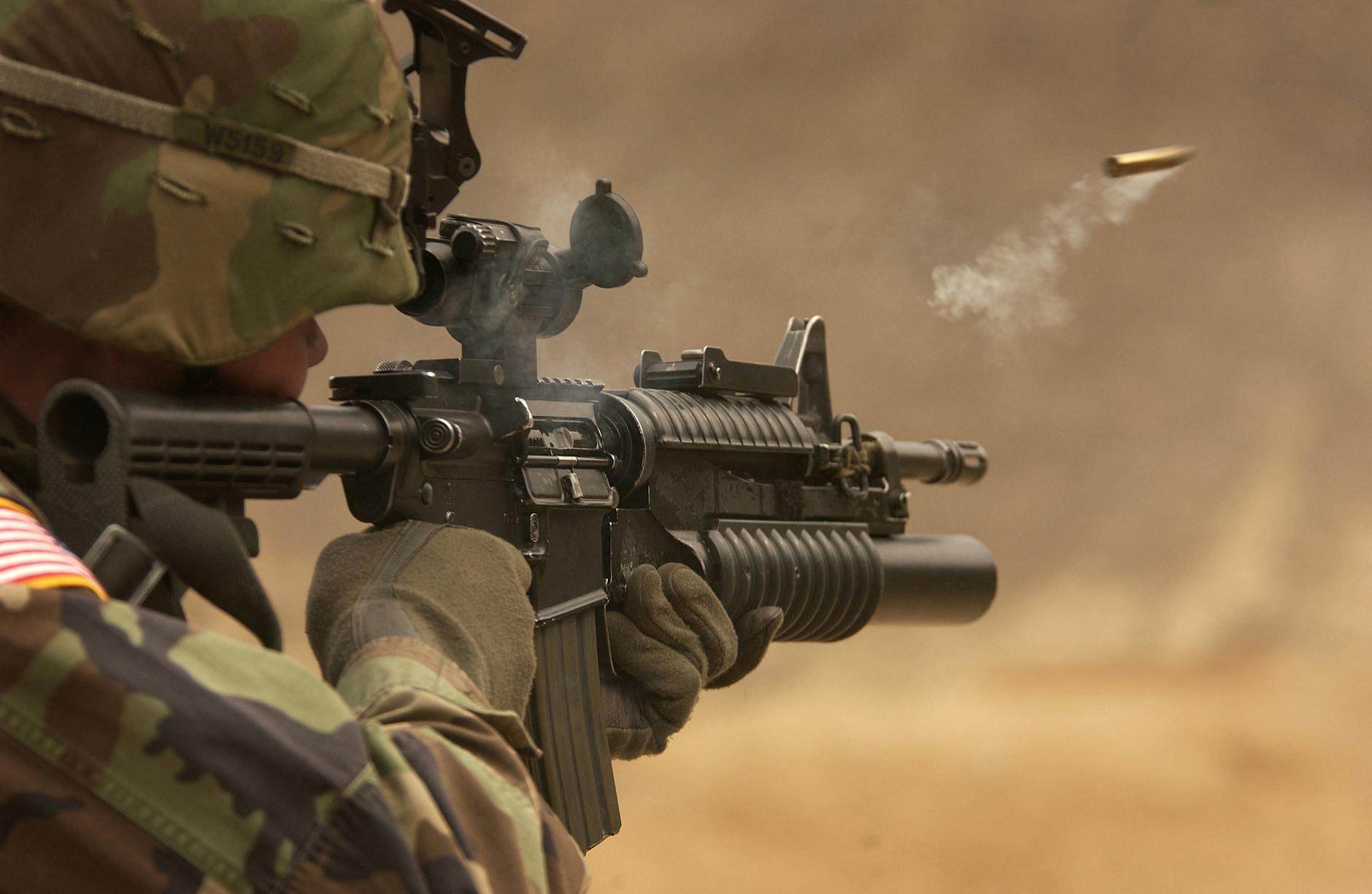
One of the most telling facts undermining Trump’s peace narrative is what has continued to happen militarily. Despite the president’s announcement of productive conversations with Iran, U.S. and Israeli attacks have continued to strike Iranian cities and targets as of March 24, 2026—the very same period when Trump was publicly announcing progress toward peace. There has been no observed de-escalation of military operations. No pause in strikes.
No reduction in hostilities. This contradiction reveals a deep credibility problem with the peace claims. If talks were truly underway and productive, a typical expectation would be at least a de facto ceasefire or reduction in military operations while diplomacy proceeded. Instead, the military pressure has continued unabated. For Iran, this suggests that the talk of negotiations is purely for public relations purposes—to create a favorable impression for international audiences and financial markets—while military operations on the ground tell a different story. From Tehran’s perspective, advertising peace talks that lead nowhere while continuing to strike Iranian targets is not diplomacy; it is messaging designed to manipulate perception without changing actual behavior.
The Market Manipulation Angle—Why Timing and Messaging Matter
Iran’s explicit accusation that Trump’s claims were meant to “manipulate the financial and oil markets” points to a specific concern. The announcement of progress in peace talks, if believed by global markets, would likely lower expectations for oil supply disruptions and therefore reduce oil prices. Lower oil prices would benefit oil-importing nations and their consumers but would hurt Iran economically. By announcing talks that don’t actually exist in any formal sense, Trump would be signaling to traders and investors that military conflict is less likely, thereby depressing oil prices without having actually made any meaningful concessions or change in military posture. This pattern is not unique to Trump or to Iran.
Governments have long used strategic announcements to influence market behavior, particularly in commodities like oil that are deeply tied to geopolitical risk. However, from Iran’s perspective, this particular maneuver is especially galling because it combines two layers of strategic interest: the American domestic political interest in appearing to reduce military conflict and the economic interest in suppressing oil prices. Iran sees itself being used to create a favorable market narrative without any actual shift in U.S. policy or behavior. The careful wording of Iran’s denial—specifically saying that no negotiations have occurred—may be designed partly to prevent the exact market effect Trump was allegedly seeking.
The Precise Language of Iran’s Denial—What It Reveals and Conceals
Iran’s Parliament Speaker did not say that no communication with the United States was happening. Instead, he said no negotiations have been held. This linguistic precision is intentional and significant. It allows Iran to deny the diplomatic characterization of talks while preserving room for other types of engagement. Intermediaries, back-channel messaging, exploratory discussions—all of these can occur without formal negotiations ever taking place. This careful framing also serves Iran’s domestic political needs.
If Iranian officials announced that the U.S. was directly negotiating with them, it could appear to the Iranian public and to regional allies that Tehran was capitulating or entering into serious diplomatic compromise. By emphasizing that no formal negotiations are underway, Iran preserves the appearance of holding firm. However, the public denial also serves another purpose: it corrects the international record. If Trump’s claims went unchallenged, the world might believe that formal talks were progressing, which could undermine Iran’s negotiating position by suggesting it was already moving toward compromise. By explicitly denying the characterization, Iran is reclaiming control of the narrative about what is—and is not—being discussed.

Regional Intermediaries and the Broader Diplomatic Architecture
Beyond the direct U.S.-Iran dynamic, several regional actors have been involved in broader negotiation efforts: Pakistan, Turkey, Egypt, and Oman have all played roles in attempting to facilitate or mediate between the United States and Iran. These countries have their own strategic interests in de-escalation and stability, and they have offered themselves as trusted intermediaries. Pakistan and Turkey have historical ties to both nations. Egypt controls the Suez Canal and has interests in regional stability. Oman, in particular, has traditionally served as a back-channel intermediary between Iran and Western powers.
The involvement of these regional powers suggests that preliminary diplomatic efforts are indeed occurring at some level. However, the fact that official intermediaries are necessary—rather than direct bilateral talks—itself indicates that the two sides are not yet ready to negotiate formally. When nations are prepared for serious diplomacy, they typically move toward direct channels and official delegations. The continued reliance on intermediaries implies that one or both sides are not yet willing to commit to formal negotiations. Iran’s public emphasis that “no negotiations have been held” can thus be read as: preliminary discussions exist, but the conditions for actual negotiations do not yet exist.
What Comes Next—The Future of U.S.-Iran Diplomacy
The current standoff between Trump’s claims and Iran’s denials sets the stage for the next phase of international relations between the two countries. If Trump intends to move from back-channel exploratory talks toward formal negotiations, Iran will have to shift its public position as well.
However, the pattern established here—where preliminary talks are announced publicly as substantial progress—may make Iran less willing to embrace formality, since doing so could be perceived as falling for the same public relations strategy that the Trump announcement exemplified. The continuation of military operations despite peace talk announcements also raises questions about whether either side is genuinely moving toward a negotiated settlement or whether the current posture represents a stalemate in which each side claims diplomatic progress while maintaining military pressure. For observers and market participants, the gap between the rhetoric of peace and the reality of continuing military action remains a critical indicator of whether actual de-escalation is occurring or whether public announcements are, as Iran contends, primarily tools for messaging and market influence.
Conclusion
Iran’s denial that Trump’s peace talk claims are real stems from a fundamental distinction: the United States has no formal negotiations underway with Iran, only preliminary exploratory discussions through intermediaries and back-channels. Trump’s announcement inflated the significance of these indirect communications into something resembling substantive diplomatic progress, which Iran immediately and publicly rejected. By calling the claims “fake news,” Iran was not denying all communication but rather denying the existence of formal negotiations—a critical distinction in diplomacy. The larger context reinforces Iran’s skepticism: U.S.
and Israeli military operations have continued unabated, suggesting that any peace messaging is rhetorical rather than operational. For Iran, the announcement appears designed primarily to influence global financial and oil markets while maintaining military pressure—a strategy that combines diplomatic deception with continued military action. Moving forward, genuine progress toward de-escalation would require not just back-channel talks but formal negotiations, accompanied by observable changes in military behavior. Until that occurs, Iran’s dismissal of Trump’s claims as fabricated messaging is likely to persist.