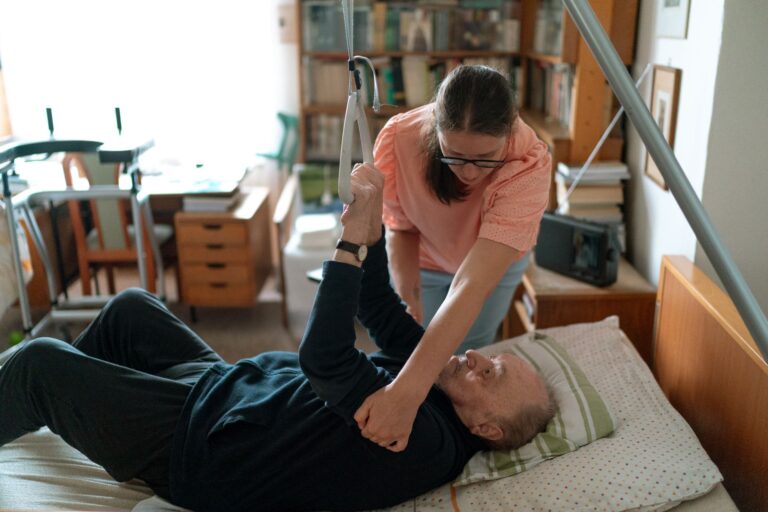
Refused sits at the center of this dementia and brain health question.
Why I Refused to Suffer in Silence
Suffering is something many people experience, but often it feels like a lonely journey. For a long time, I thought that keeping my pain to myself was the only way to handle it. I believed that sharing my struggles would make me appear weak or burden others. But over time, I realized that silence was not healing—it was isolating.
One of the biggest reasons I refused to suffer in silence is because suffering thrives in darkness. When we hide our pain, stigma grows around it—especially with mental health challenges. Society often unfairly marks those who struggle as somehow less than or broken. This stigma can make people feel ashamed and reluctant to seek help or speak out. But by opening up about what we’re going through, we chip away at those harmful stereotypes and create space for understanding and support.
Talking about suffering doesn’t just help others see they’re not alone; it also helps us heal ourselves. Sharing our stories connects us with people who truly get what we’re facing—people who have walked similar paths or who simply listen without judgment. These connections can be powerful lifelines when life feels overwhelming.
I learned from others who have faced hardship openly—like Joni Eareckson Tada, whose courage after a life-changing accident shows how honesty about pain can inspire hope and resilience rather than despair. Her example taught me that acknowledging suffering doesn’t mean giving up; instead, it means embracing reality so you can find strength within it.
There’s also something deeply human about refusing silence: It’s an act of reclaiming your voice when circumstances try to take it away from you. Whether dealing with physical illness, mental health struggles, or social injustices like cuts to essential support systems for vulnerable people—speaking out becomes a form of resistance against invisibility and neglect.
When celebrities and advocates raise their voices against policies causing harm—for instance, cuts that threaten disabled families’ well-being—they remind us all how important visibility is in fighting injustice and preventing needless suffering on a larger scale.
Ultimately, refusing to suffer quietly means choosing connection over isolation; truth over shame; action over resignation. It means recognizing that while pain may be part of life’s story for many of us at some point, how we respond shapes whether suffering defines us—or whether we define our own path forward by seeking help and standing together with others facing similar battles.
Silence might seem easier at first glance—but breaking free from it opens doors toward healing not just for ourselves but for everyone touched by hardship around us too.
For more, see NIH MedlinePlus — cognitive testing.