GLP-1 receptor agonist drugs are fundamentally reshaping how physicians approach obesity because they represent the first class of medications that consistently produce significant, sustained weight loss in clinical trials — weight loss substantial enough to reduce the risk of cardiovascular disease, type 2 diabetes, and potentially even neurodegenerative conditions like dementia. For decades, doctors viewed obesity primarily as a behavioral problem, offering patients little beyond the advice to eat less and move more. These drugs have forced a medical reckoning: obesity is a chronic, neurochemical disease, and it can be treated as one. Consider a patient in their late fifties, carrying excess weight for twenty years, with early signs of cognitive decline and insulin resistance.
Historically, that patient’s doctor had almost nothing pharmacological to offer that worked reliably. Now, drugs like semaglutide and tirzepatide have opened a door that changes the clinical conversation entirely. For readers of this site focused on brain health and dementia prevention, the implications are worth paying close attention to, because obesity in midlife is one of the strongest modifiable risk factors for Alzheimer’s disease. This article examines how GLP-1 drugs work, what the emerging research says about their connection to brain health, their limitations, and what caregivers and patients should realistically expect.
Table of Contents
- How Are GLP-1 Drugs Changing the Medical Approach to Obesity?
- What Does Obesity Have to Do With Dementia and Brain Health?
- Emerging Research on GLP-1 Drugs and Neuroprotection
- Practical Considerations for Patients and Caregivers Evaluating GLP-1 Drugs
- Risks and Limitations That Are Often Overlooked
- The Role of Lifestyle Interventions Alongside Medication
- Where This Field Is Headed
- Conclusion
- Frequently Asked Questions
How Are GLP-1 Drugs Changing the Medical Approach to Obesity?
GLP-1 receptor agonists — glucagon-like peptide-1 drugs — mimic a gut hormone that regulates appetite and blood sugar. When injected (most are weekly injections, though oral versions are in development), they act on receptors in the brain’s hypothalamus to reduce hunger and increase feelings of fullness. They also slow gastric emptying, meaning food stays in the stomach longer. The result, documented across multiple large-scale trials, has been average weight reductions that far exceed what older anti-obesity medications ever achieved.
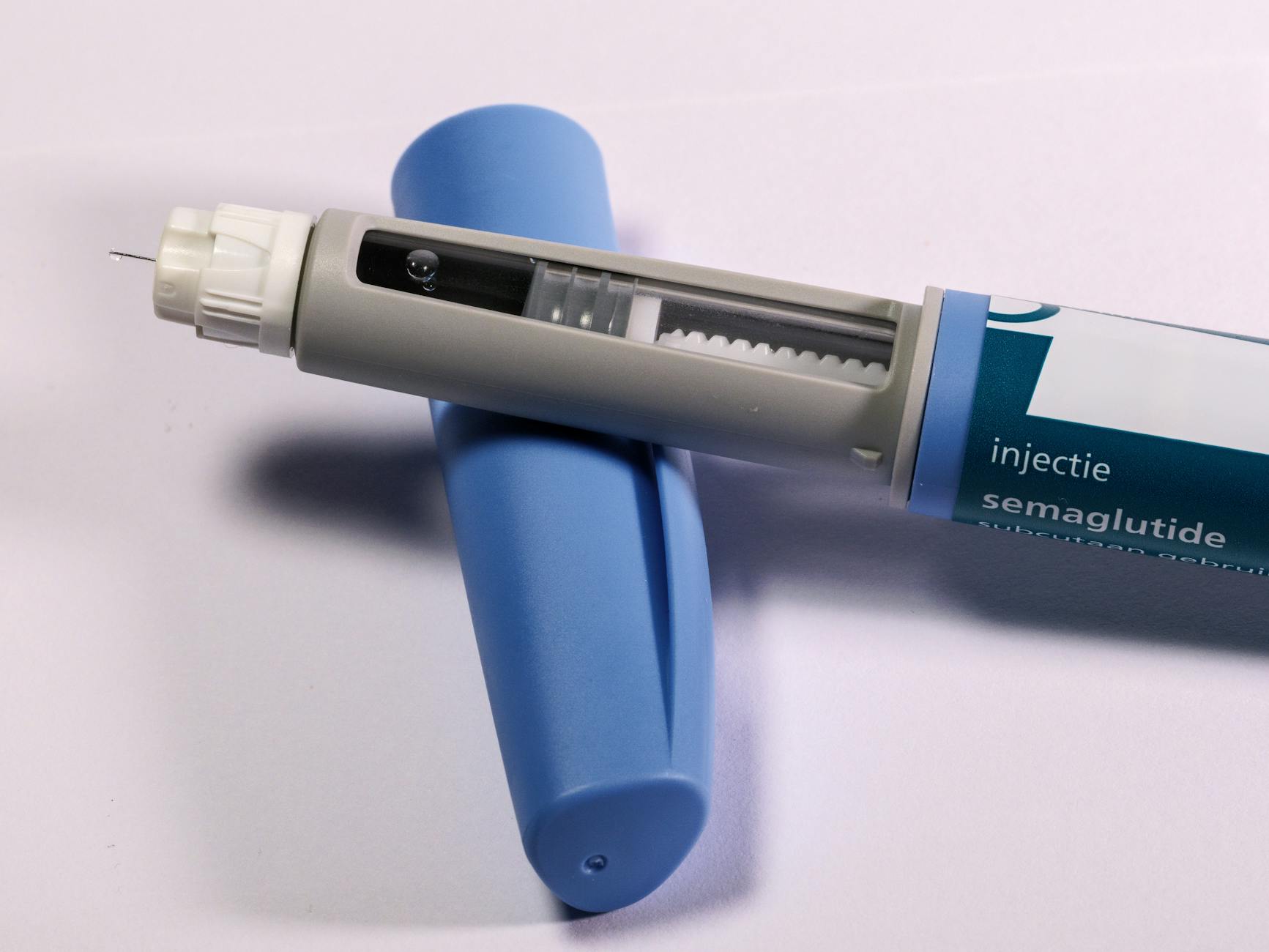
Semaglutide, sold under brand names like Wegovy and Ozempic, and tirzepatide, sold as Mounjaro and Zepbound, have been the most prominent examples. What makes this a genuine paradigm shift rather than another diet fad is the medical establishment’s response. Major organizations including the American Medical Association have formally recognized obesity as a disease, and GLP-1 drugs are being incorporated into treatment guidelines alongside surgery and lifestyle interventions — not as a last resort, but as a front-line option. Compared to older weight-loss drugs like orlistat, which produced modest results and came with unpleasant gastrointestinal side effects, or the amphetamine-derived drugs of previous decades that carried addiction risk, GLP-1 agonists have a fundamentally different safety and efficacy profile. That said, they are not without downsides, which are important to understand before assuming they are a universal solution.
What Does Obesity Have to Do With Dementia and Brain Health?
The link between midlife obesity and later-life dementia has been established across numerous longitudinal studies spanning decades. Excess visceral fat promotes chronic systemic inflammation, insulin resistance, and vascular damage — all of which accelerate brain aging. Insulin resistance in particular has become such a prominent feature of Alzheimer’s disease that some researchers have informally called Alzheimer’s “type 3 diabetes,” though that label remains controversial and is not an official medical classification. The point is that metabolic dysfunction and cognitive decline share deep biological roots. This is where GLP-1 drugs become relevant beyond simple weight management.
By improving insulin sensitivity, reducing inflammation, and promoting weight loss, these medications may indirectly protect the brain by addressing the metabolic environment that fosters neurodegeneration. However, if a person is already in the later stages of cognitive decline, it would be misleading to suggest that a GLP-1 drug will reverse that damage. The strongest theoretical benefit is preventive — reducing risk factors during midlife before irreversible brain changes take hold. Caregivers should be cautious about any claims that frame these drugs as a dementia treatment. They are not approved for that purpose, and the research connecting them to cognitive outcomes, while promising, is still in relatively early stages.
Emerging Research on GLP-1 Drugs and Neuroprotection
Several research groups have begun investigating whether GLP-1 receptor agonists have direct neuroprotective properties beyond their metabolic benefits. Animal studies have shown that these drugs can cross the blood-brain barrier and reduce neuroinflammation, decrease amyloid plaque accumulation, and improve synaptic function in mouse models of Alzheimer’s disease. A handful of small human trials have explored liraglutide (an older GLP-1 drug, sold as Victoza for diabetes) in patients with Alzheimer’s, with some early signals suggesting potential slowing of cognitive decline. One example worth noting is a clinical trial conducted at Imperial College London that examined liraglutide in a small group of Alzheimer’s patients over twelve months.
The researchers reported that the drug appeared to prevent the decline in brain glucose metabolism that typically accelerates as the disease progresses. This is a biomarker finding, not proof of clinical benefit, and the trial was small. Larger, more definitive trials of semaglutide in Alzheimer’s and other neurodegenerative conditions have been announced by Novo Nordisk, though as of recent reports, results from those larger studies had not yet been published. The scientific community is watching closely, but it is premature to draw firm conclusions.

Practical Considerations for Patients and Caregivers Evaluating GLP-1 Drugs
For someone considering a GLP-1 drug — whether for weight management, diabetes, or with an eye toward brain health — the practical tradeoffs are significant. These medications have historically been expensive, often costing over a thousand dollars per month without insurance, though pricing and coverage have been shifting as demand increases and more insurers begin to cover anti-obesity medications. Medicare coverage for weight-loss drugs has been a subject of ongoing legislative debate. Patients should verify current coverage with their specific plan rather than relying on general statements about availability. The comparison between different GLP-1 options matters as well.
Semaglutide and tirzepatide (which is technically a dual GIP/GLP-1 agonist) have shown somewhat different efficacy profiles in head-to-head contexts, with tirzepatide generally producing larger average weight reductions in clinical trials. However, individual responses vary considerably — some patients respond well to one drug and not another. Side effects, predominantly nausea, vomiting, and diarrhea, tend to be most pronounced during the dose-escalation phase and often diminish over weeks. For older adults, especially those with reduced muscle mass, there is a legitimate concern about losing lean body mass along with fat. Doctors increasingly recommend pairing these drugs with resistance exercise and adequate protein intake to preserve muscle, which is itself critical for maintaining mobility and independence in aging.
Risks and Limitations That Are Often Overlooked
The enthusiasm surrounding GLP-1 drugs has sometimes outpaced the nuance. One important limitation is that weight regain after stopping the medication appears to be common. Studies tracking patients after discontinuation of semaglutide found that most regained a substantial portion of lost weight within a year. This suggests that for many people, these drugs may need to be taken indefinitely to maintain benefits — which raises long-term cost and safety questions that have not yet been fully answered, since the drugs have only been widely used for a few years.
There are also specific warnings relevant to older adults and dementia caregivers. Rapid weight loss in elderly patients can worsen sarcopenia (age-related muscle loss), increase fall risk, and in some cases lead to malnutrition if appetite suppression is too aggressive. For a person with dementia who may already have difficulty maintaining adequate nutrition, adding a powerful appetite suppressant requires very careful medical oversight. Pancreatitis, gallbladder problems, and a theoretical concern about thyroid tumors (based on animal data, with no confirmed link in humans to date) are additional risks listed in prescribing information. None of this means these drugs should be avoided, but it does mean they require individualized medical judgment, not one-size-fits-all enthusiasm.

The Role of Lifestyle Interventions Alongside Medication
No medication works in isolation, and doctors who prescribe GLP-1 drugs responsibly emphasize that these are meant to augment — not replace — dietary changes, physical activity, and behavioral support. A useful real-world example: clinical trials producing the highest weight-loss numbers typically included structured lifestyle counseling alongside the drug.
Patients who received the drug alone, without behavioral support, still lost weight but generally less, and they were more likely to regain it. For brain health specifically, the combination of regular aerobic exercise, a Mediterranean-style diet, and metabolic management through medication where appropriate represents the most evidence-supported strategy currently available.
Where This Field Is Headed
The next several years will likely clarify whether GLP-1 drugs belong in the conversation about dementia prevention or remain primarily metabolic tools. Multiple large trials are underway, oral formulations are advancing, and newer molecules targeting additional receptor pathways are in development.
If the neuroprotection signals from early studies hold up in larger populations, these drugs could become part of a broader preventive approach to Alzheimer’s disease, particularly for patients with metabolic risk factors. For now, the most honest assessment is that GLP-1 drugs have already transformed obesity medicine and are plausibly — but not yet proven to be — relevant to long-term brain health.
Conclusion
GLP-1 receptor agonists have earned their place as a genuine breakthrough in obesity treatment, giving doctors a pharmacological tool that matches or exceeds what was previously only achievable through bariatric surgery. For people concerned about dementia and brain health, the connection between metabolic health and cognitive decline makes these drugs worth understanding, even if their direct neuroprotective benefits remain under investigation. The strongest case for their relevance to brain health lies in their ability to address midlife obesity, insulin resistance, and chronic inflammation — all established risk factors for Alzheimer’s disease.
Patients and caregivers should approach these medications with informed optimism rather than uncritical enthusiasm. Talk to a physician who understands both the benefits and the limitations. Ask about muscle preservation strategies, long-term use expectations, and cost considerations. And keep in mind that medication is one piece of a larger picture that includes diet, exercise, sleep, and social engagement — all of which have independent evidence supporting their role in protecting the aging brain.
Frequently Asked Questions
Are GLP-1 drugs approved to treat or prevent dementia?
No. As of the most recent available information, no GLP-1 drug is approved for the treatment or prevention of dementia or Alzheimer’s disease. Research is ongoing, but current approvals are limited to type 2 diabetes and obesity.
Can someone with dementia safely take a GLP-1 drug?
Possibly, but with significant caution. People with dementia often struggle with maintaining adequate nutrition, and the appetite-suppressing effects of GLP-1 drugs could worsen that problem. Any use should be closely supervised by a physician familiar with the patient’s full health picture.
Do you regain weight after stopping GLP-1 medications?
Research to date suggests that most people do regain a significant portion of lost weight after discontinuation. This has led many clinicians to consider these drugs as long-term or even lifelong therapies for some patients, similar to blood pressure medication.
How do GLP-1 drugs compare to bariatric surgery for weight loss?
Bariatric surgery has historically produced greater and more durable weight loss than any medication. However, the gap has narrowed with newer GLP-1 and dual-agonist drugs, and medications carry fewer surgical risks. The best option depends on individual health circumstances, severity of obesity, and personal preference.
Are there natural ways to increase GLP-1 without medication?
The body produces GLP-1 naturally in response to eating, particularly from protein and fiber-rich foods. Regular physical activity has also been associated with improved GLP-1 signaling. However, the magnitude of these natural effects is far smaller than what pharmaceutical GLP-1 agonists produce.