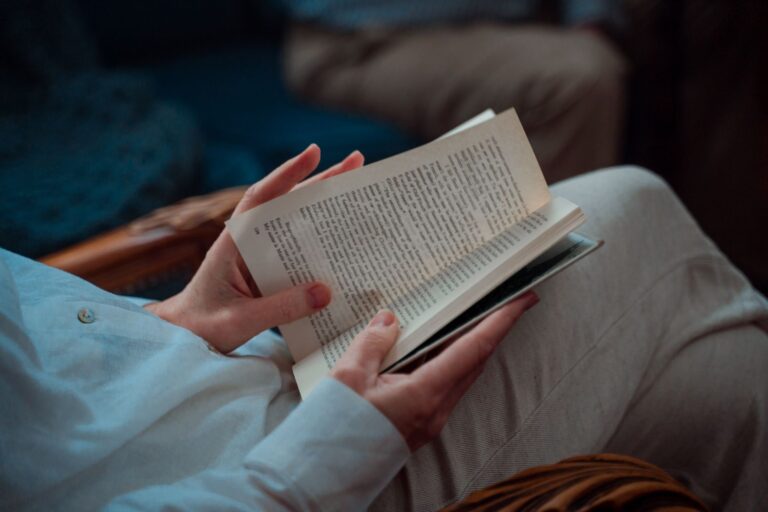
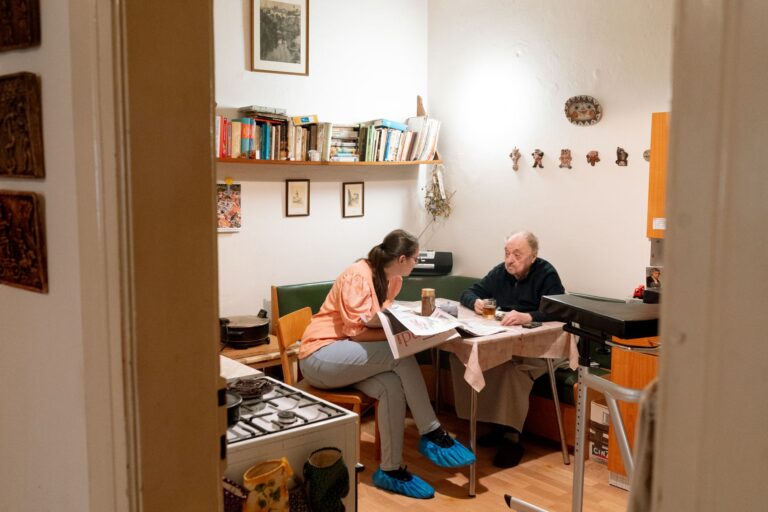
Donate usable books because they can reach new readers instead of entering the trash, and thrift resale can support local jobs and community services. Keeping a few familiar favorites for a while can also give comfort and connection to the person with dementia. Dementia describes a decline in memory, thinking, and daily function that can follow several brain diseases. Clearing a home after a move, a care transition, or a death often leaves shelves of books that still hold use.
Medical information disclaimer: This article is for general educational purposes only and does not provide medical advice, diagnosis, or treatment. Always consult a physician or other qualified health professional about symptoms, medications, tests, or treatment decisions.
Table of Contents
- What should you keep for the person first?
- Where do donated books go?
- How does donating reduce waste?
- What cannot be donated?
- Can you save on taxes?
What should you keep for the person first?
Set aside books the person knows and enjoys before you pack donations. Familiar books, photos, music, and objects can support reminiscence for people with Alzheimer's or dementia, according to the Alzheimer's Association in its guide to reminiscence therapy. The Association links that shared looking and listening with joy, lower anxiety, and stronger emotional bonds and identity. Keep the titles that spark a response, such as a favorite poetry collection, hymnal, cookbook, atlas, or childhood story.
Large print, bright pictures, short passages, and sturdy covers work well for tired eyes and hands. A small bedside shelf often matters more than a full bookcase. A Cochrane review found possible small gains in quality of life, cognition, communication, and mood from reminiscence therapy, but effects were inconsistent and setting-dependent. Treat books as enrichment and comfort, not treatment. If a book causes distress or confusion, replace it with a calmer choice.
Where do donated books go?
Many thrift charities accept books and resell them to fund services. Goodwill accepts gently used books and resells them in stores and online, including GoodwillBooks.com, with proceeds supporting local job training and employment services, according to Goodwill in its donate-goods page.
The Salvation Army also accepts books through thrift operations, the organization reports, and thrift-store sales support community programs including rehabilitation, shelter, meals, and local services. Local libraries, senior centers, schools, and little free libraries may take clean current titles too. Call ahead, since each site sets its own needs, hours, and drop-off rules.
How does donating reduce waste?
Usable books gain extra years when someone else reads them. That reuse avoids landfilling and saves the materials and work that make new goods. The scale of disposal is large.
The U.S. EPA tracked 50.4 million tons of nondurable goods generated in 2018, with only 28.1% recovered for recycling, as shown in EPA data on nondurable goods. Donation does not fix that whole stream, but it keeps sound books in use.
What cannot be donated?
Inspect every book before you donate it. Libraries and charities reject moldy, mildewed, odorous, water-damaged, soiled, or falling-apart books.
Pasadena Public Library, for example, bars items with odor, mold, or mildew. Use a quick sort at the shelf: Wear gloves and ventilate the room if books smell musty. Do not mix damaged books into donation bags.
- Keep for the person: clean familiar favorites that calm or engage.
- Donate: clean, dry, intact books with covers attached and pages readable.
- Recycle or discard: books with mold, mildew, strong odor, water damage, heavy soil, or loose bindings, following local waste rules.
Can you save on taxes?
A gift to an eligible charity may qualify for a deduction at fair market value. The Internal Revenue Service allows clothing and household-item deductions only for items in good used condition or better, with extra appraisal and Form 8283 rules above $500, as explained in IRS Publication 526.
Ask the charity for a receipt and list titles, condition, and value while you pack. Photograph larger lots and keep the receipt with tax records. A tax preparer can confirm whether itemizing helps in your case.