Dementia can seem worse after a hospital stay because hospitalization often adds delirium, physical deconditioning, disrupted sleep, medication effects, pain, infection, dehydration, and emotional distress to an already vulnerable brain. For example, a person who could dress independently before treatment for pneumonia may return home confused about where the bathroom is, unable to stand safely, and awake most of the night. Some changes are temporary and improve as the illness resolves and familiar routines return.
Others expose previously hidden difficulties or lead to a lasting loss of function, especially after a severe illness or prolonged bed rest. A sudden decline should not automatically be blamed on dementia: it may signal delirium or another treatable medical problem that needs prompt assessment. Families often expect recovery to begin as soon as the person leaves the hospital. In reality, discharge may mark the beginning of a slower recovery period involving nutrition, movement, medication review, sleep, and treatment of the condition that caused the admission.
Medical information disclaimer: This article is for general educational purposes only and does not provide medical advice, diagnosis, or treatment. Always consult a physician or other qualified health professional about symptoms, medications, tests, or treatment decisions.
Table of Contents
- Why Does Dementia Seem Worse After a Hospital Stay?
- Delirium After Hospitalization Can Resemble Rapid Dementia Progression
- How Illness, Medication, and Sleep Disruption Affect the Brain
- Practical Steps for Recovery After Discharge
- Common Problems That Can Be Missed at Home
- What Recovery May Look Like From Day to Day
- Preparing for Future Hospital Visits With Dementia
- Frequently Asked Questions
Why Does Dementia Seem Worse After a Hospital Stay?
A hospital places heavy demands on memory and attention. Staff members change, alarms sound, lights remain on at unfamiliar hours, and daily routines are interrupted. A person with dementia may not understand why blood is being drawn, why an intravenous line is attached, or why they cannot get out of bed without assistance. The effort required to interpret these unfamiliar events can overwhelm limited cognitive reserves. The illness behind the admission also matters.
Pneumonia, a urinary problem, heart failure, constipation, uncontrolled pain, low oxygen, abnormal blood sugar, or dehydration can impair brain function. Compared with a younger adult who becomes tired and distracted during an infection, a person with dementia may become severely disoriented, agitated, unusually sleepy, or unable to perform familiar tasks. Decline may continue after discharge because the stressors do not disappear immediately. The person may still be weak, eating poorly, taking new medicines, or sleeping at the wrong times. In some cases, the hospital did not cause every new difficulty; the admission revealed impairments that relatives had not noticed while familiar surroundings and habits were compensating for them.
Delirium After Hospitalization Can Resemble Rapid Dementia Progression
Delirium is an acute disturbance in attention and awareness that commonly develops during serious illness or hospitalization. It usually begins over hours or days and tends to fluctuate. Someone may speak clearly in the morning, become frightened and disoriented in the evening, and then appear unusually drowsy the next day. Dementia generally develops more gradually, although the two conditions frequently occur together. Delirium is not always loud or agitated.
Hypoactive delirium can make a person quiet, withdrawn, slow to respond, or difficult to wake. This form may be mistaken for fatigue, depression, or advanced dementia. A previously talkative patient who suddenly stops eating and spends most of the day staring or sleeping needs medical attention even if they are not disruptive. There is no single test that explains every episode. Clinicians must look for possible contributors such as infection, medication effects, urinary retention, constipation, pain, low oxygen, metabolic abnormalities, or withdrawal from alcohol or certain medicines. Delirium may persist for days or weeks, and recovery can be incomplete, but families should not assume that a sudden change is permanent without an evaluation.
How Illness, Medication, and Sleep Disruption Affect the Brain
Medicines started or increased in the hospital can worsen confusion, balance, alertness, or bladder function. Sedatives, some sleep aids, opioid pain medicines, and drugs with anticholinergic effects are common concerns, although an appropriate medicine should never be stopped abruptly without professional guidance. Even a familiar prescription can cause problems when kidney function, hydration, appetite, or body weight changes during illness. Sleep disruption can compound these effects. Vital-sign checks, hallway noise, daytime naps, pain, and limited exposure to daylight may reverse the sleep-wake cycle.
A person who sleeps through the afternoon may wander at 2 a.m., while relatives interpret the nighttime confusion as a major new stage of dementia. Restoring morning light, daytime activity, and a consistent bedtime may help, but persistent nighttime agitation can also reflect pain, breathing problems, or delirium. Anesthesia is often blamed for every postoperative decline, but surgery involves several overlapping stresses. Blood loss, inflammation, pain, unfamiliar surroundings, medications, and immobility may all contribute. After a hip repair, for instance, confusion may be related not only to anesthesia but also to the fracture, opioid treatment, poor sleep, constipation, and several days in bed.
Practical Steps for Recovery After Discharge
The first step is to compare the person’s current abilities with a specific pre-hospital baseline. Instead of saying, “She is much worse,” note that she previously walked to the kitchen with a cane, prepared toast, recognized close relatives, and slept from 10 p.m. to 6 a.m. Concrete observations help clinicians distinguish cognitive change from weakness, pain, hearing loss, or medication-related drowsiness. Arrange follow-up with the appropriate clinician and bring the hospital discharge papers, medication list, and a timeline of changes.
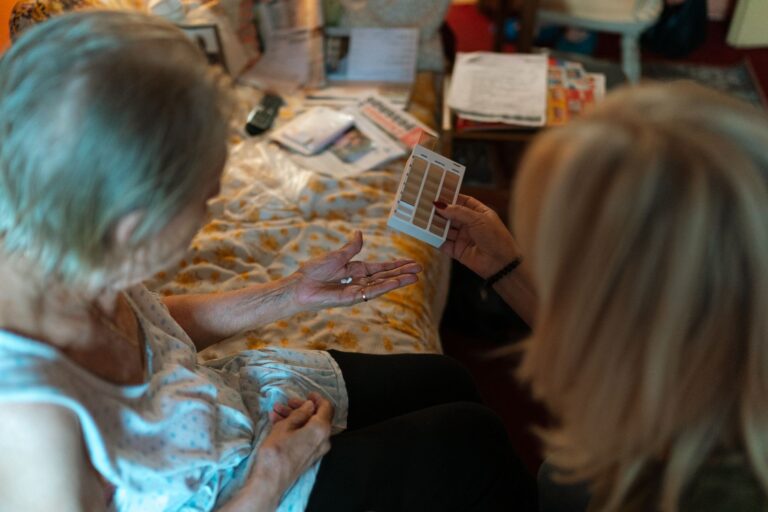
Ask what medicines were started, stopped, or changed and whether any could contribute to confusion or falls. Verify the plan rather than returning automatically to the old regimen or continuing every hospital medicine indefinitely; either approach can create problems when the discharge list contains intentional changes. Recovery requires a balance between safety and activity. Keeping a weak person in bed may appear safer in the short term, but prolonged inactivity can worsen muscle loss, constipation, sleep, and independence. Supervised walking, physical or occupational therapy, adequate fluids, regular meals, hearing aids, glasses, and familiar daily cues may support recovery. The tradeoff is that activity must match the person’s medical condition and fall risk, so mobility plans should be individualized.
Common Problems That Can Be Missed at Home
Pain is frequently underrecognized because a person with dementia may not describe it clearly. Grimacing, guarding one side of the body, resisting care, calling out, or refusing to walk can be pain behaviors rather than “difficult behavior.” After abdominal surgery, for example, a person who becomes combative during transfers may be protecting a painful incision. Constipation, urinary retention, dehydration, poor nutrition, skin injury, and untreated hearing or vision problems can also intensify confusion. A person who cannot find words for thirst may simply stop drinking.
Someone without hearing aids may appear unable to understand basic instructions when they actually cannot hear them. These problems can coexist, making it risky to settle on a single explanation. Warning signs requiring urgent medical attention include new one-sided weakness, facial drooping, severe breathing difficulty, chest pain, a seizure, fainting, a serious fall, inability to wake normally, or rapidly worsening confusion. Fever, reduced urine output, repeated vomiting, inability to take fluids, or a marked departure from the person’s usual behavior also warrants timely clinical advice. Assuming that every symptom is “just dementia” can delay treatment of stroke, infection, medication toxicity, or another acute condition.
What Recovery May Look Like From Day to Day
Recovery is often uneven rather than steadily progressive. A person may hold a normal conversation one afternoon and be disoriented the next morning after a poor night’s sleep. Tracking sleep, food and fluid intake, bowel movements, pain, mobility, medication timing, and alertness can reveal patterns that are difficult to recall during an appointment.
A simple daily note might record that Mr. Lee walked 20 feet with assistance, drank four cups of fluid, had no bowel movement, and became more confused after an evening pain dose. That record gives a clinician more useful information than a general statement that he had a “bad day.”.
Preparing for Future Hospital Visits With Dementia
A concise hospital information sheet can reduce confusion during later admissions. It should include the person’s usual communication style, cognitive baseline, mobility needs, medication list, allergies, sensory aids, effective calming strategies, sleep habits, emergency contacts, and whether a health care proxy or advance directive exists.
Specific details are especially useful. Writing “Mrs. Alvarez normally knows her daughter but not the date, uses a walker, needs hearing aids to follow instructions, and becomes frightened if approached from behind” gives hospital staff a practical baseline against which sudden changes can be recognized.
Frequently Asked Questions
How long can confusion last after a hospital stay?
The duration varies. Some people improve within days, while others need weeks or longer, particularly after delirium, major surgery, severe infection, or prolonged immobility. Persistent or worsening symptoms should be reassessed rather than attributed automatically to dementia.
Can hospitalization permanently worsen dementia?
Some people do not return fully to their previous cognitive or functional baseline, especially after severe illness or delirium. It can be difficult to separate permanent change from slow recovery, an unrecognized complication, or the natural progression of dementia.
Should a person with dementia avoid the hospital?
Not when hospital-level treatment is needed. Serious infections, fractures, strokes, breathing problems, and other emergencies may be more dangerous without hospital care. The potential benefits and burdens of admission should be considered in the context of the person’s condition, care preferences, and treatment goals.
Can familiar objects help after discharge?
Familiar photographs, bedding, music, clocks, and routines may reduce distress and support orientation. They cannot treat infection, delirium, or medication toxicity, so environmental comfort should accompany—not replace—medical assessment when there is a sudden change.
When should the family ask for rehabilitation?
Ask when the person has lost walking, transferring, dressing, bathing, eating, or other everyday abilities. Physical, occupational, or speech therapy may help, although participation can be limited by severe illness, fatigue, pain, or an inability to follow instructions.