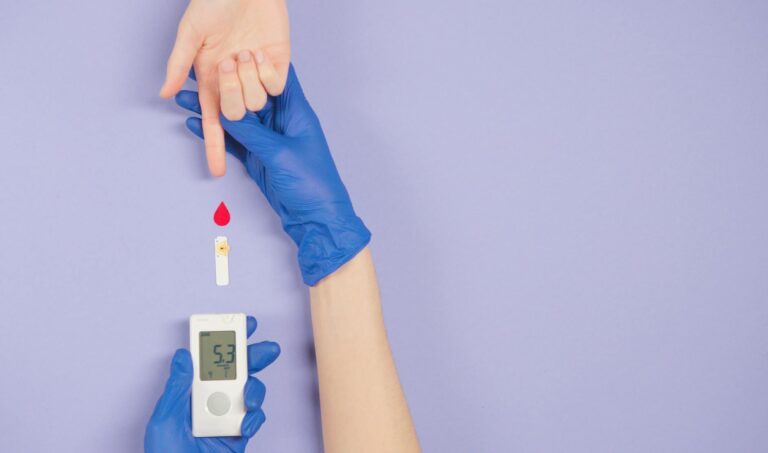
Dry mouth in older adults is not simply a matter of drinking less water or breathing through the mouth at night. The primary reason older adults experience dry mouth comes down to medications — the drugs that manage blood pressure, depression, allergies, and dozens of other conditions that become more common with age. More than 400 medications list salivary gland dysfunction as a side effect, and 80% of the most commonly prescribed drugs cause xerostomia, the clinical term for dry mouth. A 70-year-old managing hypertension, anxiety, and seasonal allergies may be taking three or four of these drugs simultaneously, and the combined effect on saliva production can be dramatic.
Treatment depends on the cause and severity, but the first step is nearly always a medication review with a physician. From there, options range from over-the-counter saliva substitutes like Biotene gel or Xyli-Melt lozenges to prescription drugs that actively stimulate saliva glands. Staying well hydrated helps, though dehydration alone rarely explains the full picture. This article covers the main causes of dry mouth in older adults, who is most at risk, the complications that arise when it goes untreated, and the full range of treatment options currently available — including some emerging research that may change how severe cases are managed in the coming years.
Table of Contents
- Why Are Older Adults So Much More Likely to Develop Dry Mouth?
- Which Medications Are Most Likely to Cause Dry Mouth in Elderly Patients?
- What Systemic Conditions Contribute to Dry Mouth Beyond Medications?
- What Are the Real-World Complications of Untreated Dry Mouth?
- What Over-the-Counter Treatments Are Available and How Do They Compare?
- When Are Prescription Medications Necessary for Dry Mouth?
- What Does Emerging Research Suggest About Future Dry Mouth Treatments?
- Conclusion
- Frequently Asked Questions
Why Are Older Adults So Much More Likely to Develop Dry Mouth?
The prevalence of dry mouth rises sharply with age. Roughly 30% of adults over 65 experience xerostomia, a figure that climbs to about 40% among those over 80. By age 75, nearly 40% of women and 27.5% of men report daytime dry mouth. At night, those numbers reach 61% and 53.8% respectively, according to a 2025 study published in Frontiers in Oral Health. Women and adults over 71 are disproportionately affected across most research populations.
The reasons are layered. Older adults carry more diagnoses, which means more medications. They also experience physiological changes that affect fluid regulation — reduced thirst sensation is one example, meaning they may become mildly dehydrated without feeling the urge to drink. Salivary gland tissue can also change with age, though research is careful to note that healthy aging alone does not necessarily reduce saliva flow significantly. The more powerful driver is the medication burden that accumulates over time. When a patient is taking five or more drugs — a situation called polypharmacy — the risk of xerostomia increases by nearly tenfold, according to one study: a 9.68-fold increase in prevalence compared to patients on fewer medications.

Which Medications Are Most Likely to Cause Dry Mouth in Elderly Patients?
The drug categories most commonly associated with dry mouth in older adults include diuretics, antihypertensives, antihistamines, antidepressants, anticholinergic medications, and anti-infective drugs. This is not a short or obscure list — these are among the most widely prescribed drug classes in elderly populations. A patient on a thiazide diuretic for blood pressure, an SSRI for depression, and a first-generation antihistamine for allergies is stacking three significant dry-mouth contributors on top of each other. Anticholinergic drugs deserve particular attention. These medications — which include certain bladder drugs, antidepressants, antihistamines, and antipsychotics — block the neurotransmitter acetylcholine, which plays a direct role in stimulating saliva production.
The result is often pronounced and persistent dryness. In dementia care specifically, some medications used to manage behavioral symptoms have anticholinergic properties, which can make dry mouth a side effect that compounds the patient’s existing discomfort and difficulty communicating. However, not every medication causing dry mouth can simply be stopped or swapped. A physician may determine that the drug’s therapeutic benefit outweighs the oral side effect, in which case the focus shifts to managing symptoms rather than eliminating the cause. This is where over-the-counter and prescription dry mouth treatments become important. Patients and caregivers should never discontinue medications without consulting the prescribing doctor, even when dry mouth is severe.
What Systemic Conditions Contribute to Dry Mouth Beyond Medications?
Medications are the dominant cause, but several systemic diseases independently affect saliva gland function. Sjögren’s syndrome is the most direct — it is an autoimmune condition that specifically targets moisture-producing glands, including salivary glands. Diabetes affects saliva production through multiple mechanisms, including nerve damage and altered fluid balance. Hypertension, rheumatoid arthritis, and Alzheimer’s disease are all associated with xerostomia as well. Radiation therapy to the head or neck for cancer treatment is a particularly severe and often permanent cause.
The salivary glands are sensitive to radiation, and even carefully targeted treatment can damage gland tissue irreversibly. Patients who have undergone head and neck radiation frequently describe their resulting dry mouth as one of the most persistent and quality-of-life-affecting consequences of their cancer treatment — years or even decades after treatment ends. Dehydration also plays a supporting role. Older adults are physiologically prone to underdrinking because the thirst mechanism becomes less sensitive with age. Someone who is mildly but chronically dehydrated — common in nursing home settings where fluid intake isn’t closely monitored — will experience worsened dry mouth regardless of other causes. In dementia patients, the inability to recognize or communicate thirst makes this risk even more pronounced.

What Are the Real-World Complications of Untreated Dry Mouth?
Saliva does more than keep the mouth comfortable. It buffers acid, washes away food particles, delivers antimicrobial proteins, and aids the first stages of digestion. When saliva production drops, the consequences for oral health accumulate quickly. Dental caries — cavities — become more frequent and more aggressive. Periodontal disease progresses faster. Oral candidiasis, a fungal infection, becomes significantly more likely, particularly in patients who wear dentures.
For denture wearers, dry mouth creates a specific mechanical problem: saliva acts as a natural adhesive that helps dentures stay in place. Without adequate saliva, dentures shift, cause friction sores, and become difficult to tolerate. This matters for nutrition and quality of life in ways that go beyond the mouth — a patient who cannot wear their dentures comfortably may stop eating certain foods, which affects overall nutritional status. Difficulty swallowing, known as dysphagia, and changes in taste are also documented complications. Swallowing normally depends partly on adequate saliva to lubricate the bolus of food. In older adults already at risk for aspiration — particularly those with Parkinson’s disease, stroke history, or advanced dementia — worsened swallowing function from dry mouth adds a meaningful safety concern. The complications of untreated xerostomia are not limited to discomfort; they have downstream effects on nutrition, medication adherence (some people stop taking pills because swallowing is too difficult), and overall health.
What Over-the-Counter Treatments Are Available and How Do They Compare?
The first line of treatment for most older adults is over-the-counter saliva substitutes. These products don’t stimulate the glands to produce more saliva — they replace or supplement it artificially. Biotene is among the best-known brands, available in gel, spray, and toothpaste formulations. Xyli-Melt lozenges adhere to the gums and release xylitol over time. Salese lozenges serve a similar function. These products generally need to be applied three to four times per day to maintain comfort, and many patients find they need nighttime application as well, given how high nighttime prevalence rates are. For older adults who wear dentures or have jaw joint pain (TMJ arthritis), xylitol lozenges are generally preferable to gum-based options.
Chewing gum can be difficult or impossible with full dentures or in the presence of joint pain, while lozenges dissolve without mechanical chewing. This is a practical distinction that matters in a population where dental prosthetics are common. The limitation of all saliva substitutes is that they treat the symptom, not the cause. They also require consistent application — a patient with moderate-to-advanced dementia may not be able to self-administer a spray or lozenge reliably. In these cases, caregiver involvement becomes essential. Products differ in how long their effect lasts, how easy they are to apply, and whether they contain fluoride (important for cavity prevention). Comparing options before settling on one is worthwhile, particularly since response to these products varies from person to person.

When Are Prescription Medications Necessary for Dry Mouth?
For patients with more severe xerostomia — particularly those with Sjögren’s syndrome or post-radiation gland damage — over-the-counter substitutes may not be sufficient. Two prescription medications, pilocarpine (brand name Salagen) and cevimeline (brand name Evoxac), work differently from saliva substitutes. Rather than replacing saliva, they stimulate the remaining functional gland tissue to produce more of it.
Both are muscarinic receptor agonists, meaning they activate the same nerve pathway that normally triggers saliva production. They are not appropriate for everyone — patients with certain heart conditions, asthma, or narrow-angle glaucoma may not be able to use them safely. A physician will weigh those contraindications before prescribing. But for the right patient, particularly someone whose dry mouth is severe enough to cause significant difficulty eating, speaking, or sleeping, these medications can provide meaningful relief that topical substitutes cannot match.
What Does Emerging Research Suggest About Future Dry Mouth Treatments?
Research into longer-term solutions for salivary gland damage is advancing. In 2024, scientists reported successful transplantation of human salivary-gland organoids — lab-grown gland tissue — into radiation-damaged models, with the transplanted tissue restoring gland function and secreting amylase, one of the key enzymes in saliva. A 2025 report described the development of a salivary-gland regenerative biobank intended to support personalized cell therapies for patients with permanent gland damage from radiation or autoimmune disease.
Also in 2025, a machine learning study published in Nature Scientific Reports developed predictive models for xerostomia risk in elderly patients based on clinical markers and measured saliva flow rates. Predictive tools like these could help physicians identify which patients are most likely to develop significant dry mouth before symptoms become entrenched, allowing for earlier intervention. These developments are still years away from routine clinical application, but they signal a shift from managing symptoms to potentially repairing the underlying gland damage — a meaningful change in what may be possible for severe cases.
Conclusion
Dry mouth in older adults is overwhelmingly driven by the medications used to manage age-related conditions, compounded by polypharmacy, underlying systemic diseases, and reduced fluid intake. It is common — affecting nearly a third of adults over 65 and rising sharply with age — and it carries real consequences beyond discomfort, including accelerated tooth decay, increased infection risk, and swallowing difficulties. For dementia patients and others who cannot easily communicate their symptoms, recognizing and addressing dry mouth is a direct quality-of-life issue that caregivers and clinicians share responsibility for. Treatment starts with identifying the cause.
A medication review with the prescribing physician is the most important first step, even when no changes are ultimately made. From there, consistent use of saliva substitutes, attention to hydration, and in appropriate cases prescription secretagogues like pilocarpine provide a layered approach that can significantly reduce symptoms. Regular dental visits are essential to catch early signs of decay and candidiasis. As research into salivary gland regeneration progresses, more durable solutions may emerge — but for now, the focus remains on managing a condition that is both widespread and underrecognized in older adults.
Frequently Asked Questions
Does aging itself reduce saliva production?
Healthy aging alone does not necessarily cause significant reductions in saliva flow. The primary driver is medication use, not the aging process itself. However, as medication burden increases with age, the cumulative effect on saliva production becomes substantial.
Can drinking more water cure dry mouth?
Staying hydrated helps and is recommended as a first-line measure, but water intake alone rarely resolves dry mouth when the cause is medication-induced gland dysfunction. Frequent small sips throughout the day ease symptoms, but they do not restore gland function.
Are there foods or habits that make dry mouth worse?
Caffeine, alcohol, tobacco, and salty or acidic foods can worsen dry mouth. Breathing through the mouth — common in people with nasal congestion or sleep apnea — also dries oral tissue significantly, particularly at night.
How does dry mouth affect dementia patients specifically?
Dementia patients may not be able to recognize or communicate thirst, making dehydration more likely. They may also be unable to self-administer saliva substitutes. Caregivers should monitor for signs of dry mouth including cracked lips, coated tongue, reluctance to eat, and difficulty swallowing.
Is dry mouth reversible?
In many cases, yes — particularly when caused by a medication that can be adjusted or substituted. Dry mouth caused by radiation damage to salivary glands is often permanent, though prescription stimulants and experimental regenerative therapies may offer partial relief.
When should a doctor be consulted about dry mouth?
Any older adult experiencing persistent dry mouth should bring it up with their physician and dentist. It warrants prompt attention when accompanied by difficulty swallowing, significant weight loss, frequent oral infections, or pain — or when it is interfering with medication adherence.