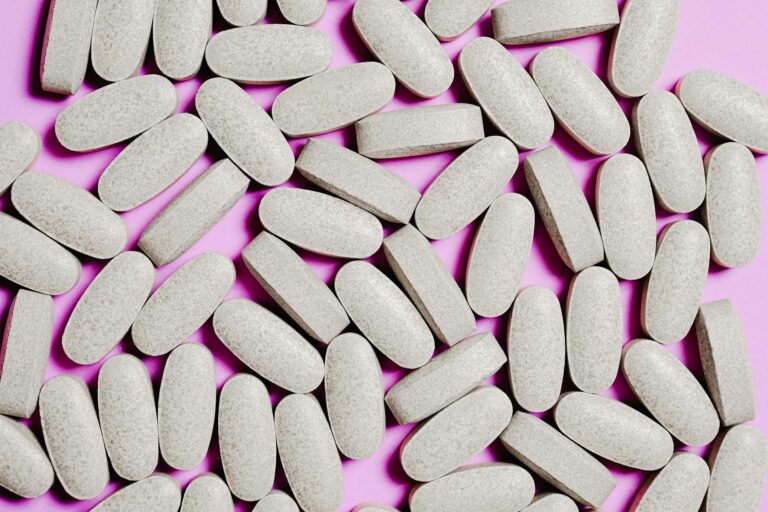
The cream dermatologists most urgently warn you to keep off your face is topical steroid cream — including over-the-counter hydrocortisone. Facial skin absorbs steroids significantly faster than other areas of the body, which dramatically increases the risk of skin thinning, easy bruising, and worsened conditions like acne and rosacea. Both the NHS and MedlinePlus advise against applying hydrocortisone to the face, around the eyes, or genital areas unless a doctor has specifically prescribed it. Even OTC hydrocortisone 1% should not be used on the face for more than one week without a dermatologist’s direct supervision. But steroid creams are only the beginning of the problem. Recent FDA recalls and warning letters have flagged contamination and manufacturing failures in popular facial moisturizers and tinted creams.
A 2024 International Dermal Institute survey found that 68% of dermatologists treated patients in the past year for adverse reactions — including contact dermatitis, severe purging, and barrier damage — linked to products or techniques popularized on social media. For older adults and those managing cognitive decline, skin health is not a vanity concern. Chronic skin irritation can worsen sleep quality, increase agitation in people with dementia, and lead to infections that become serious complications. This article covers which creams and ingredients pose the greatest risk to facial skin, what recent FDA actions mean for consumers, and what dermatologists actually recommend instead. Beyond the immediate irritation, there is a broader pattern worth understanding. Many of the creams people casually apply to their faces contain ingredients — parabens, formaldehyde, synthetic fragrances, even PFAS chemicals — that have no business being near the thin, absorbent skin of the face. We will walk through each of these concerns with specific examples, recent regulatory actions, and the expert consensus heading into 2026.
Table of Contents
- What Makes Steroid Creams So Dangerous for Your Face?
- FDA Recalls and Warning Letters — What Has Gone Wrong Recently
- PFAS in Facial Products — The Contamination You Cannot See
- Which Ingredients Should You Refuse to Put on Your Face?
- Social Media Skincare Trends That Dermatologists Want You to Stop
- Why Facial Skin Health Matters More for People with Dementia
- What Dermatologists Actually Recommend for 2026
- Conclusion
- Frequently Asked Questions
What Makes Steroid Creams So Dangerous for Your Face?
Topical corticosteroids like hydrocortisone are effective anti-inflammatory treatments for conditions such as eczema and psoriasis on the body. The face, however, is a different situation entirely. Facial skin is thinner and more vascular than skin on the arms, legs, or torso, which means it absorbs medication at a much higher rate. That accelerated absorption turns a mild over-the-counter cream into something that can cause skin atrophy — a condition where the skin becomes paper-thin, fragile, and prone to tearing. For older adults, whose skin is already losing collagen and elasticity, the damage can be severe and slow to heal. The problem compounds with prolonged use.
Many people begin applying hydrocortisone for a minor rash or dry patch and continue using it for weeks or months because it seems to work. What they do not realize is that the cream can trigger a rebound effect, where the original condition flares worse than before once the steroid is discontinued. this cycle — sometimes called topical steroid withdrawal — can leave the face red, burning, and peeling for months. Dermatologists consistently advise that if a facial skin issue persists beyond a week, the answer is not more hydrocortisone but rather a proper evaluation to identify the underlying cause. Compared to prescription-strength topical steroids, OTC hydrocortisone 1% is relatively mild. But “mild” does not mean “safe for anywhere on the body.” A cream that is perfectly appropriate for a patch of irritated skin on the forearm can cause lasting damage on the cheeks or around the eyes. This distinction matters especially for caregivers managing skin conditions in older adults with dementia, who may not be able to articulate discomfort or recognize when a cream is making things worse.

FDA Recalls and Warning Letters — What Has Gone Wrong Recently
Even when people choose products that seem reputable, manufacturing failures can introduce hidden risks. In a notable recent case, First Aid Beauty voluntarily recalled 2,756 containers of its Ultra Repair Cream — specifically the 14-ounce Coconut Vanilla variety, lot codes 24D44 and 24D45, with an expiration date of April 2026. The FDA classified this as a Class II recall, meaning the products could cause temporary or medically reversible health problems. The issue was not a harmful ingredient on the label but rather deviations from Current Good Manufacturing Practice standards, which means the company could not guarantee the product was made under sanitary, controlled conditions. On December 18, 2025, the FDA issued a warning letter to Private Label Skin Care, Inc.
in Canoga Park, California, for distributing adulterated over-the-counter products. The affected items included tinted BB creams, SPF moisturizers, and cleansers — everyday facial products — that were found during a June 2025 inspection to contain elevated impurities. This is a reminder that “over-the-counter” does not automatically mean “thoroughly vetted.” The FDA’s enforcement capacity is limited, and many products reach shelves with minimal pre-market testing. However, it is important not to overreact to every recall. A Class II recall does not necessarily mean anyone was harmed — it means the potential for harm existed. For caregivers and older adults, the practical takeaway is to check lot numbers when recalls are announced, to purchase from established retailers rather than third-party marketplace sellers, and to be skeptical of unfamiliar brands offering dramatic discounts on facial products.
PFAS in Facial Products — The Contamination You Cannot See
On December 29, 2025, an FDA report identified 51 PFAS chemicals used across 1,744 cosmetic formulations, with face and neck products ranking among the top categories. PFAS — per- and polyfluoroalkyl substances, sometimes called “forever chemicals” — do not break down in the environment or in the human body. One compound in particular, perfluorohexylethyl triethoxysilane, was flagged as a potential safety concern. These chemicals are used in cosmetics for their water-resistant and smoothing properties, but their long-term health effects remain under active investigation. For older adults and people with cognitive decline, the PFAS issue carries a specific concern.
Emerging research has explored links between PFAS exposure and neurological health, though definitive conclusions have not been reached. What is clear is that daily application of a facial cream containing PFAS means continuous, low-level exposure through one of the most absorbent areas of the body. Unlike a product you wash off immediately, a face cream sits on the skin for hours, increasing the window for absorption. The frustrating reality is that PFAS are not always clearly listed on ingredient labels. They may appear under chemical names that most consumers would not recognize, or they may be present as contaminants rather than intentional ingredients. Dermatologists recommend looking for brands that have explicitly committed to PFAS-free formulations and checking databases like the Environmental Working Group’s Skin Deep resource for product safety ratings.

Which Ingredients Should You Refuse to Put on Your Face?
Beyond steroids and contaminants, several common skincare ingredients have earned consistent warnings from dermatologists. Parabens — preservatives that mimic estrogen in the body — have been linked to increased breast cancer risk and are found in a wide range of facial moisturizers and creams. Formaldehyde, a known carcinogen, is still used as a preservative in many skincare products, sometimes under alternative names like DMDM hydantoin or quaternium-15. Synthetic fragrances are another frequent offender, triggering skin sensitivity, irritation, and allergic reactions even in people who have never had sensitive skin before. The tradeoff with avoiding these ingredients is that “clean” or “natural” alternatives are not automatically safer.
Some natural preservatives are less effective at preventing bacterial growth, which means products may spoil faster or require refrigeration. Fragrance-free products sometimes substitute masking agents that can cause their own reactions. The goal is not to eliminate all chemicals from your routine — that is neither possible nor necessary — but to avoid the specific compounds with the strongest evidence of harm, particularly on facial skin that absorbs them readily. For caregivers helping someone with dementia manage their skincare, simplicity is the best defense. A basic, fragrance-free moisturizer with a short ingredient list is far safer than a multi-active cream promising dramatic results. When in doubt, the 2026 expert consensus from dermatologists recommends a “less but better” approach: cleanser, moisturizer, and sunscreen, and nothing else unless directed by a physician.
Social Media Skincare Trends That Dermatologists Want You to Stop
The 2024 International Dermal Institute survey revealing that 68% of dermatologists treated patients for adverse reactions linked to social media trends is a striking number. Heavy occlusives like petroleum jelly — popularized as “slugging” — can disrupt the skin barrier and create a breeding ground for bacteria on acne-prone or oily skin. DIY treatments using lemon juice, baking soda, or toothpaste disrupt the skin’s pH balance and can cause chemical burns. These are not theoretical risks; they are sending people to dermatology offices in large numbers. The problem is especially acute for older adults who may encounter these trends through family members or caregivers who mean well. A grandchild suggesting a TikTok skincare hack to an elderly relative with thinning skin can result in real injury.
Lemon juice, for example, contains citric acid at a concentration that can cause phytophotodermatitis — a chemical burn triggered by sun exposure after application. Baking soda has a pH of around 9, while healthy skin sits near 4.5 to 5.5. That mismatch strips protective oils and damages the acid mantle that keeps pathogens out. The limitation worth acknowledging is that not all social media skincare advice is bad. Some dermatologists have built large followings precisely to counter misinformation. The key distinction is between advice from board-certified dermatologists and advice from influencers who may be paid to promote products. If the person giving the advice does not have medical credentials and is selling something, proceed with extreme caution.

Why Facial Skin Health Matters More for People with Dementia
Skin irritation may seem like a minor concern compared to the cognitive challenges of dementia, but the two are more connected than most people realize. Chronic itching, burning, or discomfort from an adverse reaction to a facial cream can increase agitation, disrupt sleep, and worsen sundowning behaviors. A person with moderate to advanced dementia may not be able to tell a caregiver that their face is burning — they may simply become more distressed, aggressive, or withdrawn. Caregivers who notice unexplained behavioral changes should consider whether a recently introduced skincare product could be the cause.
Skin infections are another serious risk. Thinned or damaged facial skin — whether from steroid overuse, chemical irritation, or barrier disruption — is more vulnerable to bacterial and fungal infections. In older adults with compromised immune function, a facial skin infection can escalate quickly and may require hospitalization. Keeping the skincare routine minimal and physician-approved is not just a cosmetic decision; it is a safety measure.
What Dermatologists Actually Recommend for 2026
The emerging expert consensus for 2026 is refreshingly simple. Dermatologists are pushing back against the 10-step skincare routines and heavy product layering that dominated social media in recent years. Heavy layering increases the risk of irritation, makes it impossible to identify which product is causing a problem, and exposes facial skin to a greater cumulative load of preservatives, fragrances, and other potentially harmful chemicals.
The recommended approach is three products: a gentle cleanser, a basic moisturizer, and a broad-spectrum sunscreen. For older adults and those with sensitive or aging skin, each of these should be fragrance-free and from a brand with a track record of safety. Any additional treatments — retinoids, prescription creams, medicated products — should come from a dermatologist who has examined the skin in person, not from a product label’s promises or an online recommendation.
Conclusion
The cream dermatologists most want off your face is topical steroid cream, but the list does not end there. Parabens, formaldehyde, synthetic fragrances, PFAS chemicals, and DIY concoctions all pose real risks to the thin, absorbent skin of the face. Recent FDA recalls and warning letters — including the First Aid Beauty recall and the action against Private Label Skin Care, Inc. — show that even established products can fail safety standards. For caregivers managing skincare for someone with dementia, these risks carry additional weight because skin discomfort directly affects behavior, sleep, and overall wellbeing.
The path forward is simplicity. Use fewer products, choose them carefully, and involve a dermatologist for anything beyond the basics. Check recalled product lists when they are published. Avoid trends that promise dramatic results from household ingredients. And if a cream causes redness, burning, or any change in skin texture, stop using it immediately — do not assume it needs time to work. In skincare as in so much of caregiving, less truly is more.
Frequently Asked Questions
Can I use hydrocortisone cream on my face for a bug bite or rash?
Only for very short-term use — no more than one week — and only if the area is small. If the rash persists beyond a few days, see a dermatologist rather than continuing to apply the cream. Facial skin absorbs steroids much faster than other body areas, increasing the risk of thinning and damage.
How do I know if a product has been recalled by the FDA?
The FDA maintains a searchable recall database on its website at fda.gov. You can search by product name or brand. When a recall is announced, check the specific lot codes listed — not every unit of a product is necessarily affected.
Is petroleum jelly safe to use on the face?
For most people with dry, non-acne-prone skin, petroleum jelly in small amounts is not harmful. However, the “slugging” trend — applying a thick layer over the entire face — can trap bacteria and worsen breakouts on oily or acne-prone skin. Older adults with very dry skin may tolerate it, but a standard moisturizer is generally a better choice.
What does “fragrance-free” actually mean on a label?
“Fragrance-free” means no ingredients were added to create a scent. This is different from “unscented,” which may contain masking fragrances designed to neutralize odors. For sensitive facial skin, look specifically for “fragrance-free” rather than “unscented.”
Should I be concerned about PFAS in my moisturizer?
The FDA identified 51 PFAS chemicals across 1,744 cosmetic formulations as of late 2025. While not all of these are necessarily dangerous at the concentrations used, the long-term effects of daily facial exposure are not yet fully understood. If you want to minimize exposure, look for brands that explicitly state their products are PFAS-free.
What is the safest skincare routine for someone with dementia?
Keep it as simple as possible — a gentle fragrance-free cleanser, a basic moisturizer, and sunscreen if they spend time outdoors. Avoid introducing new products without checking with their physician. Watch for signs of skin irritation such as increased agitation, scratching at the face, or redness, as the person may not be able to verbally report discomfort.