Dementia care may become harder during a house move because new surroundings raise confusion, agitation and stress. Dementia means ongoing loss of memory, thinking and daily function, so change removes cues the person relies on.
A planned move can still work, but caregivers need extra safety checks and steady routines. The Alzheimer's Association notes that moving from familiar surroundings may increase agitation and confusion. It advises consulting the physician, care team or social worker before deciding, as described in its long-distance caregiving guidance.
Medical information disclaimer: This article is for general educational purposes only and does not provide medical advice, diagnosis, or treatment. Always consult a physician or other qualified health professional about symptoms, medications, tests, or treatment decisions.
Table of Contents
- Why does a familiar home matter so much?
- Which safety risks rise in a new home?
- How do mood and thinking change after a move?
- What helps the new house feel safer faster?
Why does a familiar home matter so much?
A familiar home acts like an external memory. Door positions, light switches, toilet location and chair placement guide action without new learning. The Alzheimer's Society warns that changes to surroundings can leave people confused, anxious or agitated and harm quality of life.
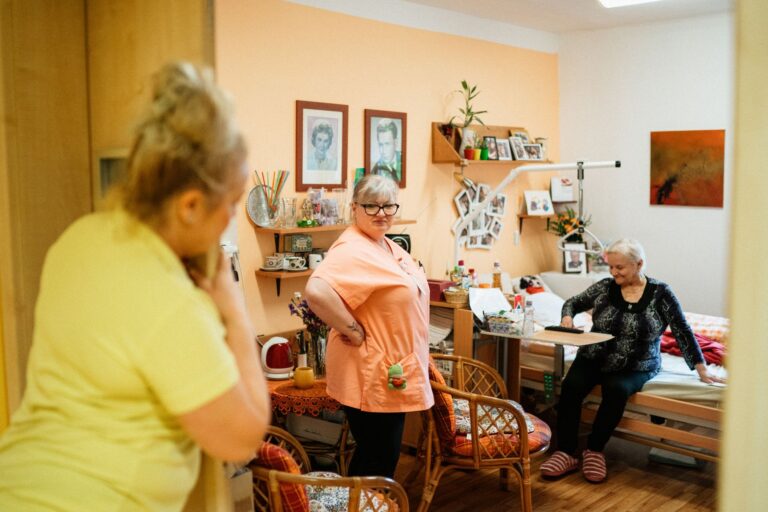
Unfamiliar hospital and care-home settings show the same problem, and staff often underestimate the effect. Small shifts matter, such as a different hallway, mirror, shower control or bedtime order. Keep the old pattern where possible. Serve meals at the same times, use the same mug and blanket, and keep nightlights and bathroom paths consistent.
Which safety risks rise in a new home?
Wandering risk rises when stress, upset and agitation meet unknown doors and streets. The Alzheimer's Association reports that about 60% of people with dementia wander at least once, as summarized in Medical News Today's wandering overview. A new neighbourhood removes safe landmarks.
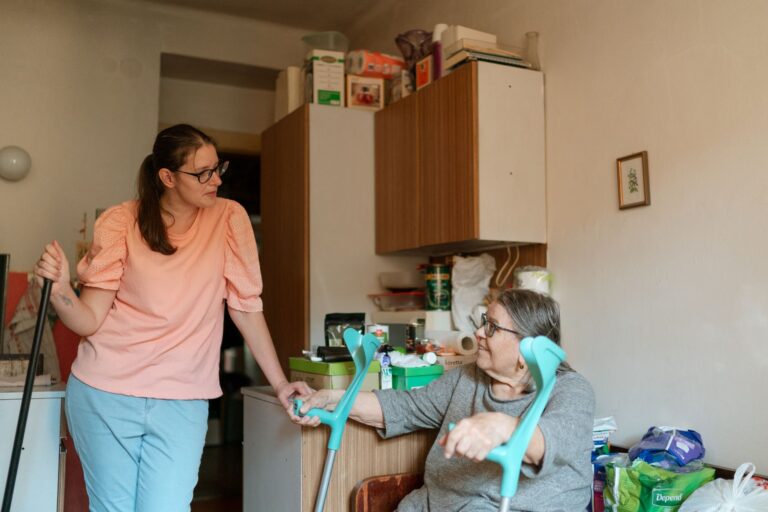
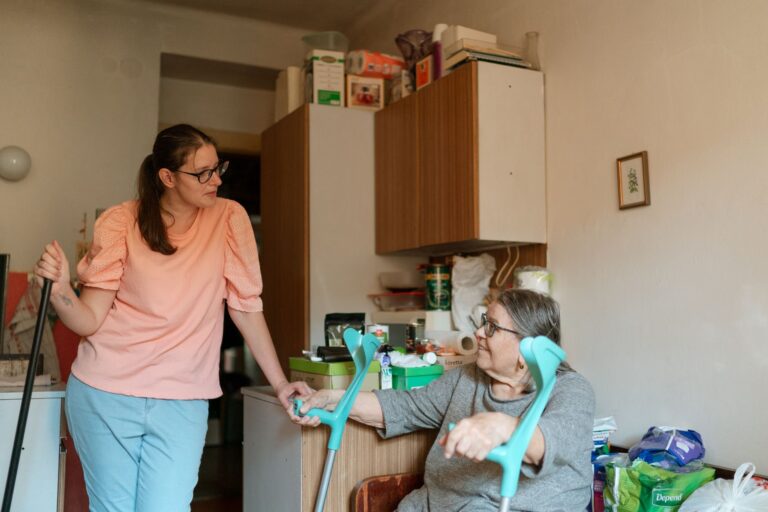
A short walk can turn into getting lost, dehydration, traffic danger or a night search. Fall risk also rises in strange layouts. NHS Inform Scotland explains that people with dementia are four to five times more likely to fall than older people without cognitive impairment, as detailed in its falls and dementia guide. Stress, restlessness, poor sleep, loose rugs, cords, steps and dim bathrooms add to the danger.
- check doors, locks, alarms, stairs, bathrooms and outdoor exits
- keep walking paths wide, lit and free of clutter
- place needed items at waist height and avoid step stools
How do mood and thinking change after a move?
Stress is the most common health effect reported after relocation. A 2018 scoping review of relocation in older adults with dementia found mostly negative effects, with higher stress recurring across studies. Stress then worsens confusion, restlessness, sleep and cooperation with meals, bathing and medication. Michigan health guidance links moving to more noticeable symptoms, depression, agitation, cognitive decline, frailty and falls.
Caregivers may feel guilt, sadness, failure and continued burden while adjusting. A nursing-home adjustment summary reports similar strain for families during the first weeks. Watch for new pacing, shadowing, repeated questions, refusal of care, poor appetite or night waking. Respond with calm tone, short choices, daylight activity and the same sleep and meal schedule.
What helps the new house feel safer faster?
Harm is not inevitable. A relocation review discussion found lower stress when people moved with familiar staff, furniture and roommates. That point matters for a house move: keep people, objects and routines stable while walls change.
The Alzheimer's Association emergency-tips guidance recommends securing perimeters while allowing safe walking space, as explained in its community-based dementia care tips. Move the adjustment work to before moving day when possible. Place photos at eye level near the bed and keep the kettle, chair and lamp in the same relative spots from day one.
- set up the bedroom and bathroom first with old layout
- bring photos, quilt, clock, radio and chair from home
- keep meals, walks, bathing and bedtime at old times
- add locks, sensors, handrails, raised toilet seat and non-slip mats
- offer escorted walks rather than blocking all movement