Reviewed by the Help Dementia Editorial Team — our editors review every article for accuracy against guidance from the National Institute on Aging, the Alzheimer’s Association, and peer-reviewed sources.
Companionship matters in dementia care because it directly slows cognitive decline, reduces behavioral problems, and gives people with dementia a sense of purpose and connection when their memory fails them. The presence of a consistent, familiar person—whether family, friend, or caregiver—reduces anxiety, behavioral episodes like wandering or aggression, and the need for pharmaceutical interventions. Without meaningful social contact, people with dementia spiral into isolation, depression, and accelerated mental and physical deterioration, even when their medical care is otherwise excellent. Consider Margaret, a 76-year-old woman whose daughter visited three times a week. Within six months of the daughter moving for work, Margaret’s visits dropped to once monthly via video call.
Her care facility noted a sharp increase in agitation, refusal to eat, and nighttime restlessness. Within a year, she’d declined two full stages on the cognitive scale. Her doctor’s medications couldn’t reverse what isolation had done. When her daughter hired a companion to visit twice weekly, Margaret’s behavioral symptoms improved, though her cognitive loss remained permanent. This is not an unusual story.
Table of Contents
- How Does Social Connection Protect the Dementia Brain?
- The Behavioral and Emotional Impact of Companionship
- Companionship Across Different Dementia Stages
- Building Sustainable Companionship Networks
- Depression, Anxiety, and the Loneliness Crisis in Dementia
- Companionship for People Without Family
- The Future of Companionship-Based Dementia Care
- Conclusion
- Frequently Asked Questions
How Does Social Connection Protect the Dementia Brain?
Companionship activates neural pathways that remain functional even in advanced dementia. When someone with memory loss interacts with a familiar person, their brain engages emotion recognition, language processing, and memory retrieval—all areas that can be stimulated and maintained longer through regular social contact. Research shows that people with dementia who have consistent companionship maintain better functional abilities (feeding themselves, toileting, communicating) longer than those in isolation, even when the underlying disease is equally severe. The mechanism is both neurological and emotional. A person with dementia may not remember their grandson’s name, but they remember the feeling of safety when he’s in the room.
This emotional memory—stored in different brain regions than factual memory—persists much longer. Regular companionship also regulates cortisol and inflammation markers, which are elevated in isolated elderly people and contribute to faster cognitive decline. The difference between a person with dementia who has daily social engagement versus one who interacts mainly with staff during care tasks is measurable within weeks. However, there’s a limitation: companionship slows decline but doesn’t stop it. Family members sometimes expect that consistent visits will reverse or halt cognitive loss, and then feel guilt or failure when decline continues. Dementia progresses regardless of social engagement—companionship improves quality of life and functional maintenance, not the underlying disease course.

The Behavioral and Emotional Impact of Companionship
Behavioral symptoms in dementia—aggression, verbal outbursts, wandering, refusal to cooperate—are often misunderstood as purely disease-related. In reality, many emerge from fear, confusion, and unmet needs. A person with dementia who doesn’t recognize their environment or understand what’s happening is frightened. When a familiar, trusted person is present, that fear diminishes, and behavior improves dramatically. Nursing homes and assisted living facilities report that residents with regular visitors have significantly fewer behavioral incidents requiring medication or intervention. This is where companionship becomes a non-pharmaceutical treatment. A man with advanced dementia who becomes combative during personal care might calm completely when his daughter is present and talks him through what’s happening.
The same person, without that familiar presence, might require sedation or physical restraints. Some facilities have learned to schedule difficult care tasks when family members can be present, essentially using companionship as a pain and anxiety management tool. The trade-off is clear: consistency and presence prevent behavioral crises better than most medications. But companionship also carries emotional weight for the companion. Family members often experience compassion fatigue, especially if they’re the primary social contact. A daughter visiting daily might feel the guilt of working full-time, the frustration of repeated questions, the grief of seeing a parent not recognize them some days. These are real, important experiences, and they affect how sustainable that companionship is. Someone burning out in their role becomes less present, even while sitting in the room.
Companionship Across Different Dementia Stages
In early-stage dementia, companionship takes the form of meaningful conversation, reminiscence, and shared activities. A person might still travel, attend cultural events, or engage in hobbies with a companion. The social connection reinforces identity and helps them process the frightening reality of their diagnosis. Many people with early-stage dementia report that isolation—the stigma, the tendency of friends to disappear—is as damaging as the cognitive symptoms. In middle-stage dementia, companionship shifts to providing reality orientation, reassurance, and participation in simpler activities like walking, listening to music, or looking at photographs.
Behavioral symptoms peak in this stage, and a calm, familiar companion can prevent many of the crises that lead to emergency hospitalizations. Someone who’s confused about time and place needs someone who can patiently reorient them without frustration, day after day. In late-stage dementia, when speech is minimal and cognitive function severely limited, companionship becomes primarily about presence and non-verbal communication: touch, tone of voice, facial expressions. Research on end-of-life dementia care shows that people who die with regular visitors present have fewer final days marked by visible distress. Their brain may not process language, but it processes presence.

Building Sustainable Companionship Networks
Relying on one family member as the sole source of companionship is a common and dangerous pattern. When that person becomes ill, travels, or burns out, the person with dementia suddenly loses their primary connection. A more sustainable approach involves intentional networks: family, friends, volunteers, or paid companions sharing the role. Some facilities organize volunteer companion programs; some families coordinate among siblings; some hire part-time companion care to supplement family visits. The practical trade-off is between consistency and sustainability. Someone with dementia benefits deeply from one familiar person visiting daily, but that arrangement often collapses.
Multiple people visiting twice a week each is more resilient. It’s also harder to organize and requires clear communication about what the companion should do—activities, conversation topics, reporting concerns. Without structure, well-meaning visitors sometimes sit in uncomfortable silence, and neither the visitor nor the person with dementia gets the benefit. Technology offers limited but real help. Video calls from distant family members maintain connection but can’t replace physical presence. A grandson in another state visiting via screen is better than no contact, worse than being in the room. Some families have found success with combination approaches: in-person volunteer companions for three days a week, family visits on weekends, and video calls on other days.
Depression, Anxiety, and the Loneliness Crisis in Dementia
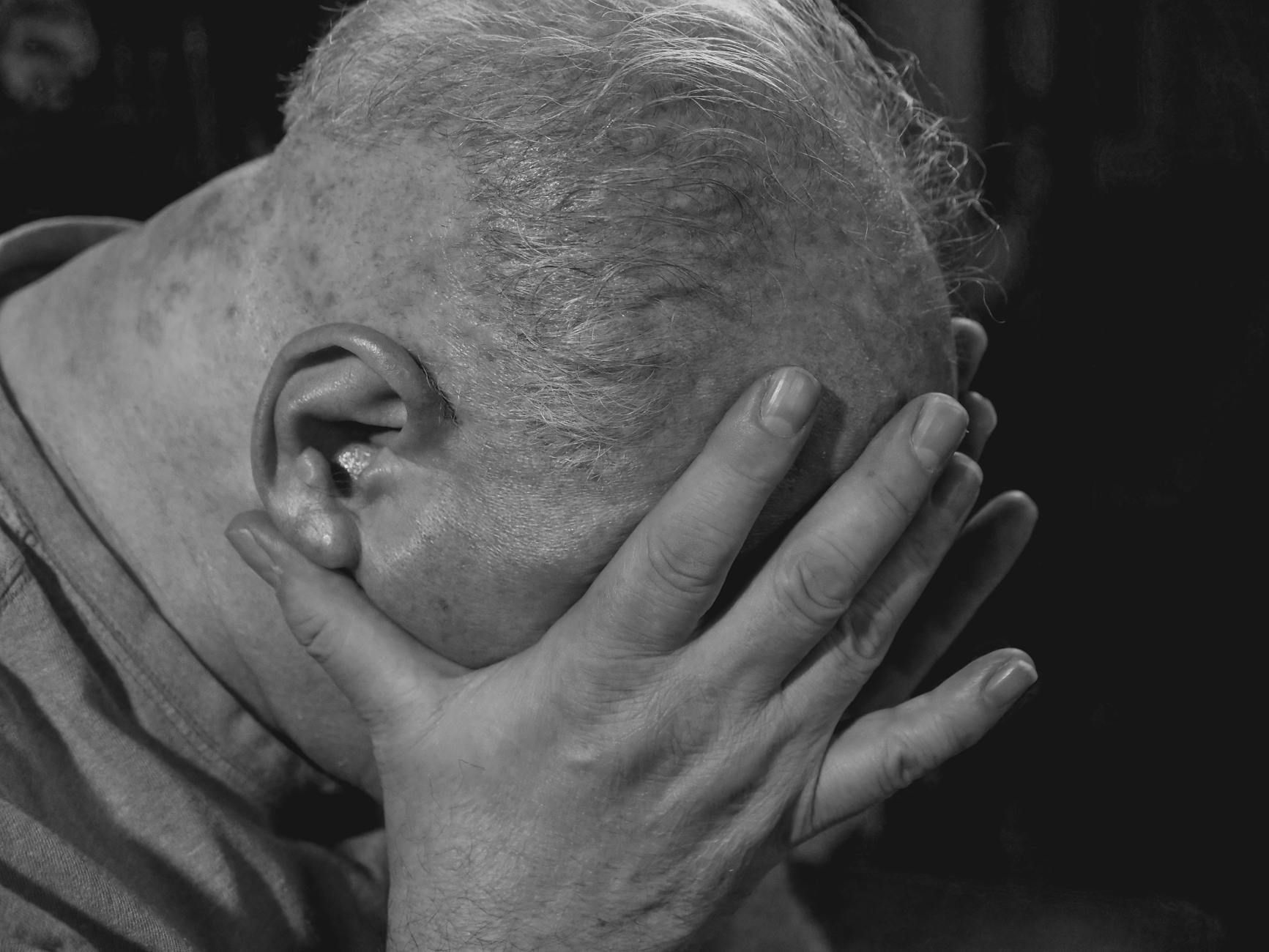
Isolation in dementia care creates a secondary mental health crisis. People with dementia are at very high risk for depression—they’re losing their cognitive abilities, experiencing grief, and often experiencing genuine loneliness. Social withdrawal is common both as a symptom and as a response to being avoided. A person with dementia might sense, correctly, that old friends are uncomfortable around them and withdraw further. Companionship directly addresses this. However, there’s a warning: sometimes what looks like companionship isn’t.
A family member who visits out of obligation, is visibly impatient, or treats the person with dementia as a task rather than a person causes psychological harm. The person with dementia, despite memory loss, senses emotional distance and feels the rejection. Brief, loving visits are more valuable than long, tense ones. Similarly, group settings (adult day programs, memory care communities) can sometimes increase anxiety rather than alleviate it if the environment is chaotic or if the person with dementia can’t track what’s happening. Staff-only companionship—where only paid caregivers interact with the person with dementia—lacks the emotional authenticity that family or long-term friend relationships provide. A caregiver is trained to be kind, but they’re also managing multiple residents and have limited continuity. The person with dementia, especially in middle and late stages, registers these differences.
Companionship for People Without Family
Some people with dementia have no family contact, no close friends, or have outlived their generation. This is a particularly vulnerable population. They’re at highest risk for depression, behavioral symptoms, and early institutionalization. Community organizations, senior centers, and progressive memory care facilities have developed volunteer companion programs to address this. Some facilities employ a “life enrichment” specialist whose job is partly to ensure no resident goes without social interaction.
The limitation is scale and resources. Volunteer programs are underfunded in most communities. A person without family might receive a weekly volunteer visit—better than nothing, but far less than someone with involved family. Some progressive facilities have adopted pet therapy or animal companionship programs, which have been shown to reduce anxiety and provide consistent non-human companionship. A dog or cat can’t have a conversation, but it provides touch, routine, and unconditional acceptance.
The Future of Companionship-Based Dementia Care
As dementia prevalence increases and family structures shift—fewer adult children available to be primary caregivers, more geographic dispersal—the demand for alternative companionship sources is growing. Some countries and progressive healthcare systems are now reimbursing companion care alongside medical care, recognizing that social engagement is as important as medication for outcomes. The challenge ahead is creating sustainable, funded models for companionship care in an aging society.
This might include paid community companions, technology that augments (not replaces) in-person connection, and cultural shifts that reduce stigma and encourage friends and extended family to stay involved. The evidence is clear: companionship works. The question now is whether we’ll prioritize it and resource it appropriately.
Conclusion
Companionship matters in dementia care because it is, functionally, a form of medicine. It slows decline, prevents behavioral crises, maintains functional abilities longer, and gives people with dementia connection and purpose when memory is failing. Without it, even excellent medical care produces poor outcomes. The most important element is consistency and emotional authenticity—someone who is genuinely present and familiar, not merely technically competent.
If you’re involved in dementia care—as a family member, friend, or professional—the most valuable thing you can do is build or strengthen social connections. If you’re supporting someone with dementia who lacks family, advocating for companion care, volunteer programs, or community engagement is urgent. The cost of isolation in dementia care is paid in depression, behavioral crisis, and accelerated decline. The return on consistent companionship is maintained dignity, slower decline, and a significantly better quality of life for both the person with dementia and their caregivers.
Frequently Asked Questions
How often does someone with dementia need companion contact to see benefits?
Research suggests 3-5 hours per week of meaningful social contact produces measurable improvements in mood and behavior. Daily interaction is ideal, but it doesn’t have to be from one person. Consistency matters more than duration—someone visiting 30 minutes daily is better than someone visiting 4 hours on weekends.
What if the person with dementia doesn’t seem to recognize the visitor?
Non-recognition is common, especially in middle and late stages. The person may not remember who you are, but they still benefit from your presence, your tone of voice, and the routine of your visit. Many people with dementia respond emotionally and behaviorally to familiar people even when they can’t place them factually.
Can paid companion care replace family?
Paid companions provide valuable, often necessary companionship, but they don’t replace the emotional and historical connection of family. The ideal model combines both: family for emotional connection and life history, paid companions for consistent daily presence and care support.
Is video calling enough if family lives far away?
Video calling maintains connection but isn’t a substitute for physical presence. It’s valuable as a supplement—weekly video calls plus occasional in-person visits. Regular video contact is far better than nothing, but should ideally be paired with local paid or volunteer companions.
What should a companion do during visits?
There’s no single right answer. Activities might include: talking, looking at photographs, listening to music, walking, simple games, watching television together, sitting in comfortable silence. The person with dementia’s preferences, energy level, and cognitive stage determine what works. Consistency and presence matter more than specific activities.
How do we prevent caregiver burnout in companionship roles?
Share the role among multiple people, set realistic expectations (companionship helps but doesn’t cure), build in respite time, join a support group, and don’t hesitate to bring in paid companions to reduce the burden on family members.