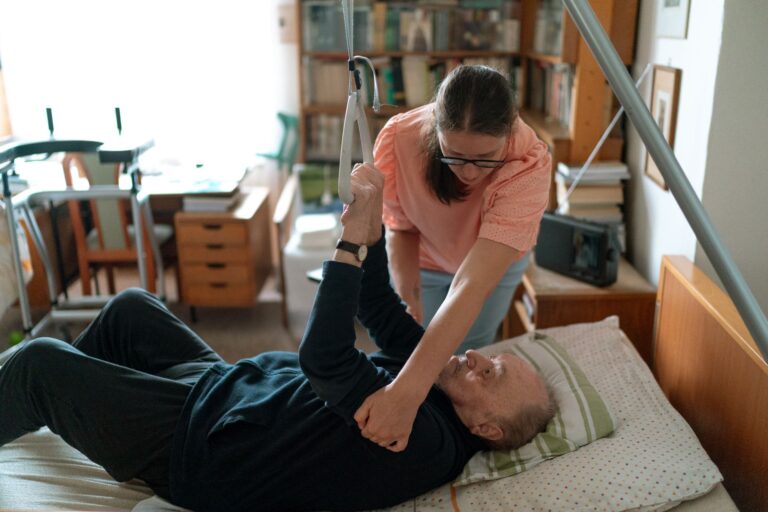
Caring became sits at the center of this dementia and brain health question.
Caring work—looking after children, elderly family members, and managing household needs—has long been a vital part of society. Yet, despite its importance, this kind of labor is often unpaid and undervalued. Understanding why caring became unpaid labor involves looking at history, social roles, and economic systems.
Historically, care work was mostly done within families and communities without pay. Before industrialization changed how people worked outside the home, women were primarily responsible for domestic tasks like cooking, cleaning, child-rearing, and elder care. This work was seen as a natural extension of women’s roles rather than formal employment deserving wages. The Industrial Revolution shifted many men into paid factory jobs while women stayed home to maintain the household. This division reinforced the idea that caring was not “real” work but a duty or act of love that didn’t require payment.
The roots go even deeper when considering exploitation during slavery in the United States where enslaved people were forced to provide unpaid care both inside homes and in broader community settings under brutal conditions. After slavery ended, unpaid domestic labor remained largely assigned to women—especially mothers—and marginalized groups who continued to perform essential caregiving without financial recognition.
This dynamic has persisted because society tends to value paid market work over non-market activities like caregiving—even though care is essential for survival and social stability. Women’s unpaid labor supports the workforce by raising children who become future workers and by caring for sick or elderly family members so others can participate in paid jobs.
Efforts have been made since the 1970s by feminist activists demanding wages for housework as a way to highlight how this invisible labor sustains capitalism yet leaves caregivers financially dependent with less freedom or power. They argued that calling it “love” masks its economic value while keeping caregivers trapped in poverty or inequality.
Today’s challenges continue: lack of affordable childcare forces many women—and sometimes grandparents—to fill gaps with unpaid care time instead of paid employment; societal norms still expect women disproportionately to handle these responsibilities; policies often fail to recognize or support this critical contribution adequately.
In essence, caring became unpaid labor because it was historically assigned as an expected role tied closely with gender norms rather than recognized as skilled productive work deserving compensation. It remains invisible economically despite being fundamental socially—a contradiction rooted deeply in history but increasingly questioned today as societies seek fairer ways to value all forms of essential human effort beyond just what money changes hands for directly.
For more, see Alzheimer’s Association — caregiving.