Cardiologists are prescribing diabetes drugs to non-diabetic patients because two classes of medication — GLP-1 receptor agonists and SGLT2 inhibitors — have proven in large-scale trials to significantly reduce heart attacks, strokes, heart failure hospitalizations, and cardiovascular death in people who have never had diabetes. The landmark SELECT trial, which enrolled 17,604 patients with established cardiovascular disease and no diabetes, found that semaglutide 2.4 mg cut major adverse cardiovascular events by 20% compared to placebo. That finding was so compelling that the FDA took an unprecedented step in March 2024, approving Wegovy as the first weight-loss drug ever cleared specifically to reduce cardiovascular risk.
This is not a fringe trend. The 2026 American Diabetes Association Standards of Care now include GLP-1 receptor agonists and SGLT2 inhibitors as core cardiovascular disease management recommendations — for patients regardless of their blood sugar levels. Dapagliflozin and empagliflozin, originally designed to lower glucose, have earned FDA approvals for heart failure in patients with or without diabetes. As Harvard cardiologist Muthiah Vaduganathan put it in February 2026, “Their role is now being understood to be much, much more fundamental to human health, and to promoting longevity and preventing chronic illness progression.” This article covers how these drugs work beyond blood sugar, the specific trial evidence that changed prescribing habits, what this means for heart failure patients, the practical tradeoffs of cost and access, emerging pipeline drugs that could reshape treatment further, and what patients with both cardiovascular and cognitive health concerns should understand about these medications.
Table of Contents
- What Are the Diabetes Drugs Cardiologists Now Prescribe for Heart Disease?
- The SELECT Trial and Why It Changed Everything for Cardiovascular Prevention
- How SGLT2 Inhibitors Became Standard Heart Failure Therapy Without Requiring Diabetes
- What Patients Should Weigh Before Starting These Medications
- The Emerging Connection Between Cardiovascular Drugs and Brain Health
- Real-World Evidence in Heart Failure with Preserved Ejection Fraction
- What Is Coming Next in the Pipeline
- Conclusion
- Frequently Asked Questions
What Are the Diabetes Drugs Cardiologists Now Prescribe for Heart Disease?
The two drug classes making this crossover are GLP-1 receptor agonists (such as semaglutide, marketed as Wegovy and Ozempic) and SGLT2 inhibitors (such as dapagliflozin, marketed as Farxiga, and empagliflozin, marketed as Jardiance). GLP-1 receptor agonists mimic a gut hormone called glucagon-like peptide-1, which regulates appetite, insulin secretion, and — as researchers have discovered — inflammation, arterial plaque stability, and vascular function. SGLT2 inhibitors block a protein in the kidneys that reabsorbs glucose, causing excess sugar to be excreted in urine, but their cardiovascular benefits appear to extend well beyond glucose control, involving improvements in cardiac energy metabolism, fluid balance, and blood pressure. The distinction matters because these are not interchangeable. GLP-1 receptor agonists have shown the strongest evidence for reducing atherosclerotic events — heart attacks and strokes — particularly in patients who are overweight or obese.
SGLT2 inhibitors, by contrast, have become foundational therapy for heart failure across the full spectrum of ejection fraction. A cardiologist choosing between them is making a specific clinical decision based on whether the primary concern is atherosclerotic risk, heart failure, or both. In some cases, patients may benefit from both classes simultaneously, though research on combination therapy in non-diabetic populations is still maturing. To put the shift in perspective, fewer than 10% of cardiologists currently prescribe glucose-lowering medications. But when they do reach for these drugs, they prescribe GLP-1 receptor agonists or SGLT2 inhibitors 48% of the time — a clear signal that the cardiologists who have adopted these tools are using them deliberately and frequently, not as an afterthought.
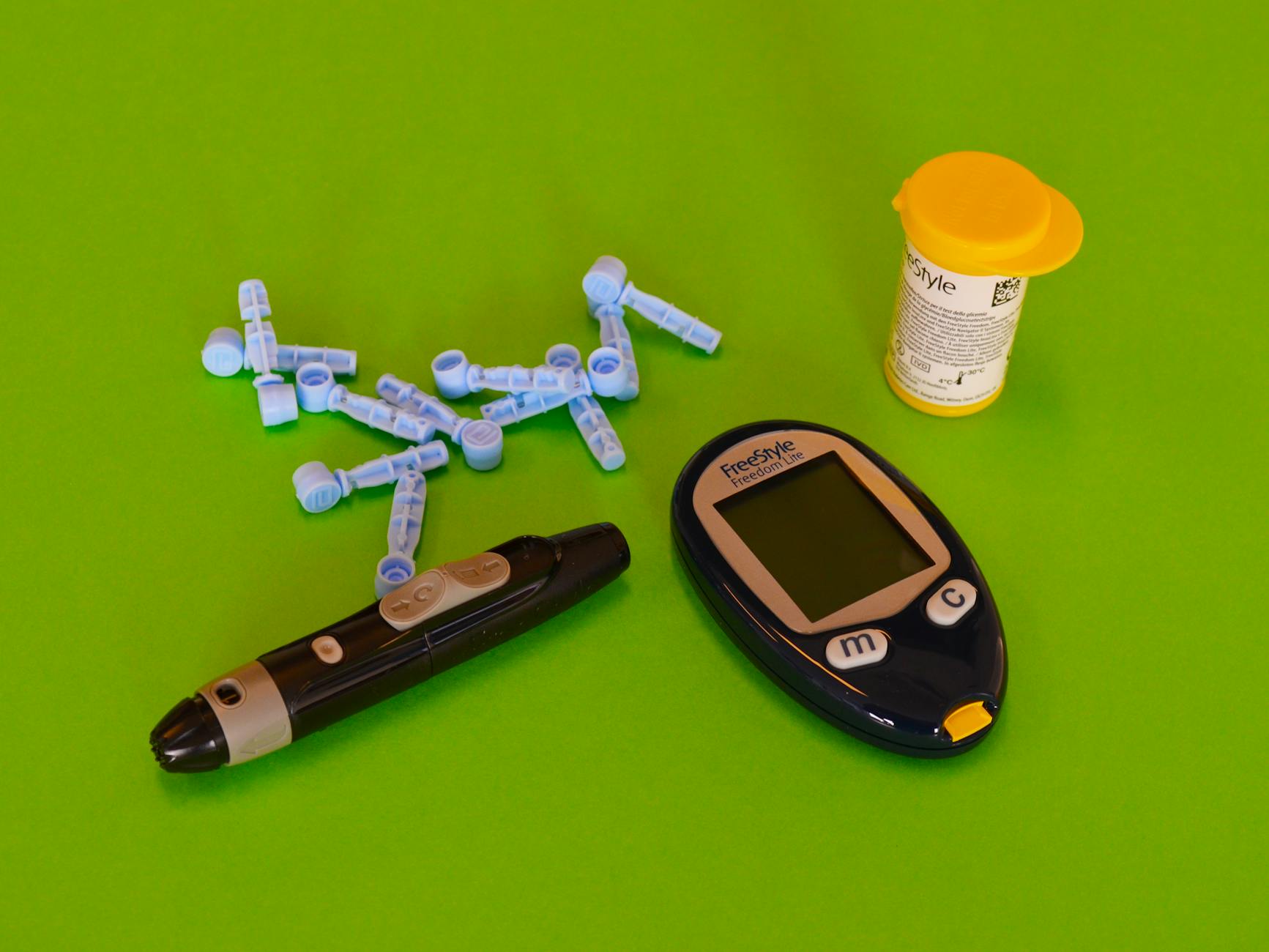
The SELECT Trial and Why It Changed Everything for Cardiovascular Prevention
The SELECT trial was the inflection point. Conducted across multiple countries, it enrolled 17,604 adults aged 45 and older who had a BMI of 27 or higher and established cardiovascular disease but no diabetes diagnosis. Over a mean exposure period of 33 months, patients receiving semaglutide 2.4 mg weekly experienced a 20% reduction in major adverse cardiovascular events — defined as cardiovascular death, nonfatal heart attack, or nonfatal stroke — compared to those on placebo (6.5% vs. 8.0%; hazard ratio 0.80, 95% CI 0.72–0.90, p < 0.001). The trial also showed a 15% reduction in cardiovascular death and a 19% reduction in all-cause death. Weight loss was substantial — an average 9.4% body weight reduction with semaglutide versus 0.9% with placebo — but researchers have debated whether the cardiovascular benefits are fully explained by weight loss alone.
some of the risk reduction appeared early, before maximum weight loss was achieved, suggesting direct vascular, anti-inflammatory, or metabolic effects independent of body composition changes. This is an important nuance because it means the drug may be doing something beyond simply making people lighter. However, SELECT specifically enrolled patients with existing cardiovascular disease. If you have never had a heart attack, stroke, or diagnosed cardiovascular condition, the evidence for prescribing semaglutide purely for cardiovascular prevention is less direct. Cardiologists are generally applying these results to patients who match the trial’s profile — overweight or obese adults with established heart disease — rather than broadly prescribing to anyone concerned about future risk. Patients without established disease should have a frank conversation with their physician about whether the benefits observed in SELECT reasonably extrapolate to their situation.
How SGLT2 Inhibitors Became Standard Heart Failure Therapy Without Requiring Diabetes
The story with SGLT2 inhibitors followed a slightly different path. Dapagliflozin became the first diabetes drug FDA-approved for heart failure with reduced ejection fraction in patients with or without diabetes, based on the DAPA-HF trial. That study demonstrated a 26% reduction in cardiovascular death or worsening heart failure versus placebo, with a number needed to treat of just 21 — meaning for every 21 patients treated, one additional patient avoided a serious heart failure event. For a condition as deadly and debilitating as heart failure, that is a meaningful number. Empagliflozin extended the evidence into heart failure with preserved ejection fraction — a notoriously difficult condition to treat — showing a 21% relative risk reduction in worsening heart failure or cardiovascular death in the EMPEROR-Preserved trial, regardless of diabetes status.
More recently, sotagliflozin, a dual SGLT1/2 inhibitor, received FDA approval for the full range of heart failure, covering both reduced and preserved ejection fraction. This means the entire spectrum of heart failure now has SGLT2 inhibitor options that do not require a diabetes diagnosis for use. For patients and families navigating dementia care alongside cardiovascular concerns, this is particularly relevant. Heart failure with preserved ejection fraction disproportionately affects older adults and is associated with cognitive decline through mechanisms involving reduced cerebral blood flow and chronic inflammation. Treating HFpEF more effectively could, in theory, help preserve cognitive function — though direct evidence linking SGLT2 inhibitor use to dementia prevention remains limited and should not be overstated.

What Patients Should Weigh Before Starting These Medications
Cost remains one of the most significant barriers. Semaglutide injection for cardiovascular risk reduction carries a substantial price tag, though the January 2026 FDA approval of the first oral GLP-1 pill (semaglutide 25 mg) for weight management — priced at $149 per month — represents a meaningful step toward accessibility. Insurance coverage varies widely depending on the indication. A patient prescribed Wegovy with a documented cardiovascular indication and established heart disease may have an easier time getting coverage than one prescribed the same drug primarily for weight management, even though the underlying evidence is the same trial. SGLT2 inhibitors tend to be less expensive than GLP-1 receptor agonists, and their insurance coverage for heart failure indications has improved substantially since the FDA approvals. Generic versions of some SGLT2 inhibitors are anticipated in the coming years, which could further shift the cost calculus.
For patients choosing between the two classes, the decision often comes down to the primary clinical target: GLP-1 receptor agonists for atherosclerotic event reduction and weight loss, SGLT2 inhibitors for heart failure management, and in some cases both for patients with overlapping risk profiles. Side effects also differ. GLP-1 receptor agonists commonly cause nausea, vomiting, and gastrointestinal discomfort, particularly during dose titration. These effects often improve over weeks but can be intolerable for some patients, especially older adults who may already have reduced appetite or nutritional concerns. SGLT2 inhibitors carry risks of genital yeast infections, urinary tract infections, and in rare cases, diabetic ketoacidosis — a risk that is lower but not zero in non-diabetic patients. Patients and caregivers should discuss these tradeoffs openly with their prescribing physician rather than assuming one class is universally superior.
The Emerging Connection Between Cardiovascular Drugs and Brain Health
For readers of a dementia care and brain health site, the natural question is whether these cardiovascular benefits translate to cognitive protection. The honest answer is that we do not yet have definitive trial evidence proving GLP-1 receptor agonists or SGLT2 inhibitors prevent or slow dementia. However, the biological plausibility is strong. Cardiovascular disease is one of the most significant modifiable risk factors for dementia, and anything that meaningfully reduces heart attacks, strokes, heart failure, and vascular inflammation has the potential to protect brain health downstream. GLP-1 receptors are expressed in the brain, and preclinical research has suggested anti-inflammatory and neuroprotective effects in animal models of Alzheimer’s disease.
Several clinical trials investigating semaglutide specifically for Alzheimer’s disease and mild cognitive impairment are underway. But it is critical to temper expectations — preclinical promise frequently fails to translate to human benefit, and no one should start these medications solely for dementia prevention based on current evidence. The cardiovascular indications are well-established; the neurological potential is a hypothesis under active investigation. One important limitation for older adults with cognitive impairment: the significant weight loss caused by GLP-1 receptor agonists can be a double-edged sword. Unintentional weight loss is already a concern in dementia, associated with frailty, sarcopenia, and worse outcomes. A cardiologist and a geriatrician or neurologist may have different risk-benefit calculations for the same patient, and this tension should be navigated carefully with the full care team rather than by any single specialist in isolation.

Real-World Evidence in Heart Failure with Preserved Ejection Fraction
Beyond the controlled environment of clinical trials, real-world data from more than 90,000 patients with heart failure with preserved ejection fraction have confirmed what the trials suggested. Semaglutide and tirzepatide demonstrated a greater than 40% risk reduction in the composite of heart failure hospitalization or all-cause mortality compared to a placebo proxy — semaglutide with a hazard ratio of 0.58 and tirzepatide with a hazard ratio of 0.42. These are striking numbers in a patient population that has historically had few effective treatment options.
The June 2025 American College of Cardiology guidance document specifically addressed the management of obesity in adults with heart failure, highlighting semaglutide and tirzepatide benefits in patients with stage 2 HFpEF and obesity. This formal institutional recognition matters because it gives cardiologists clear professional backing to prescribe these medications and gives insurers less room to deny coverage for off-label use. For patients and families, it means this is not experimental medicine — it is increasingly the standard of care.
What Is Coming Next in the Pipeline
The next wave of drugs could make these treatments more accessible and effective. Orforglipron, an oral non-peptide GLP-1 receptor agonist from Eli Lilly, could receive FDA approval as early as the second quarter of 2026. Unlike current oral semaglutide, which is a peptide that must be taken on an empty stomach with specific timing restrictions, orforglipron’s non-peptide structure could simplify dosing and potentially lower manufacturing costs.
If approved, it would represent a meaningful expansion of options for patients who cannot tolerate injections or prefer oral medication. Looking further ahead, GLP-1 receptor agonists are expected to expand into peripheral artery disease and additional heart failure subtypes in 2026. The trajectory is clear: drugs that were originally developed to manage blood sugar are being systematically tested and approved across a widening range of cardiovascular conditions. For patients and caregivers monitoring both heart and brain health, this pipeline is worth watching closely — not because any single drug will be a silver bullet, but because the cumulative effect of better cardiovascular management is one of the most evidence-based strategies we have for protecting cognitive function over a lifetime.
Conclusion
The prescribing of diabetes drugs to non-diabetic patients is not a trend or an off-label gamble — it is a evidence-driven shift backed by major trials like SELECT, DAPA-HF, and EMPEROR-Preserved, endorsed by the FDA through multiple expanded approvals, and codified in the 2026 ADA Standards of Care. GLP-1 receptor agonists have proven to reduce heart attacks, strokes, and death in overweight patients with cardiovascular disease, while SGLT2 inhibitors have become foundational therapy for heart failure regardless of diabetes status. Together, these drug classes represent the most significant expansion of the cardiologist’s toolkit in decades.
For those caring for someone with dementia or concerned about cognitive decline, the takeaway is both hopeful and measured. Protecting the heart protects the brain, and these medications are proving remarkably effective at protecting the heart. But they are not a substitute for comprehensive cardiovascular and cognitive care, they carry real side effects and costs, and their direct impact on dementia remains under investigation. Talk to your cardiologist about whether your cardiovascular risk profile warrants these medications, and ensure your full care team — including any neurologist or geriatrician — is part of the conversation.
Frequently Asked Questions
Can my cardiologist prescribe Wegovy if I do not have diabetes?
Yes. Since March 2024, Wegovy has been FDA-approved to reduce cardiovascular risk in adults with established heart disease and overweight or obesity, regardless of diabetes status. Your cardiologist can prescribe it for this specific cardiovascular indication.
Are SGLT2 inhibitors like Farxiga and Jardiance safe if my blood sugar is normal?
Clinical trials enrolled patients with and without diabetes and found the heart failure benefits were consistent regardless of diabetes status. The risk of hypoglycemia is low in non-diabetic patients, though side effects like urinary tract infections and genital yeast infections still apply. Your doctor should monitor kidney function and overall tolerance.
Will insurance cover these drugs if I do not have a diabetes diagnosis?
Coverage varies significantly by insurer and plan. FDA-approved cardiovascular indications — such as Wegovy for MACE reduction or Farxiga for heart failure — generally improve the chances of coverage, but prior authorization and appeals are common. The oral semaglutide pill approved in January 2026 at $149 per month may offer a more affordable alternative for some patients.
Could GLP-1 drugs help prevent dementia?
The cardiovascular benefits are well-established, and since heart disease is a major risk factor for dementia, there is biological plausibility for cognitive benefit. Clinical trials investigating semaglutide for Alzheimer’s disease are underway. However, there is no current FDA approval or definitive evidence for prescribing these drugs to prevent or treat dementia.
What is the difference between GLP-1 receptor agonists and SGLT2 inhibitors for heart patients?
GLP-1 receptor agonists like semaglutide primarily reduce atherosclerotic events — heart attacks and strokes — and produce significant weight loss. SGLT2 inhibitors like dapagliflozin and empagliflozin primarily improve heart failure outcomes and reduce hospitalizations. Some patients with overlapping conditions may benefit from both.
Should older adults with dementia take these drugs for heart health?
This requires careful, individualized discussion with the full care team. The cardiovascular benefits are real, but GLP-1-related weight loss can worsen frailty and sarcopenia in older adults already at risk of malnutrition. SGLT2 inhibitors may be better tolerated in this population, but kidney function and hydration status need monitoring. No blanket recommendation applies — the decision depends on the individual patient’s overall health picture.