Reviewed by the Help Dementia Editorial Team — our editors review every article for accuracy against guidance from the National Institute on Aging, the Alzheimer’s Association, and peer-reviewed sources.
Avoiding head sits at the center of this dementia and brain health question.
Avoiding head injuries matters more than medication for brain health because no medication can repair the initial damage of a traumatic brain injury—prevention is the only truly effective strategy. Once a head injury occurs, the brain’s tissue is damaged and medications can only address secondary effects and symptoms that follow. The sobering reality is that an uninjured brain will always be superior to an injured and repaired one, no matter how advanced our treatment options become. Consider the case of a 72-year-old who falls at home and hits their head. Even if they survive without obvious symptoms, that single incident dramatically increases their risk of Alzheimer’s disease later in life—a risk no medication prescribed months or years later can fully undo. The numbers underscore this truth: 586 people in the U.S.
are hospitalized daily for traumatic brain injury, and in 2021 alone, nearly 70,000 TBI-related deaths occurred. Yet research from The Lancet Neurology indicates that “effective prevention of injury would dwarf the effectiveness of even an optimal system of acute and long-term TBI care.” This is not a statement about current medicine being inadequate—it’s a statement about the fundamental limits of treating brain injury once it happens. Prevention isn’t just better; it’s incomparably better. This distinction becomes critical as we age. The brain’s resilience declines with time, making older adults particularly vulnerable to lasting cognitive consequences from even minor head injuries. Understanding why prevention matters more than medication is essential for anyone concerned about maintaining brain health and avoiding dementia in later years.
Table of Contents
- Why Prevention Outperforms Treatment in Protecting Brain Health
- The Treatment Limitations That Make Prevention Essential
- How Head Injuries Accelerate Cognitive Decline and Dementia Risk
- Practical Prevention Strategies That Outperform Medical Management
- Understanding Post-Concussive Syndrome and Why Recovery Is Incomplete
- When Medication Still Matters in TBI Care
- The Future of Brain Health: Prevention as Primary Strategy
- Conclusion
Why Prevention Outperforms Treatment in Protecting Brain Health
The central issue is that traumatic brain injury causes immediate, irreversible damage at the moment of impact. The brain’s neurons are torn, blood vessels rupture, and chemical cascades begin that can persist for months or years. No medication exists that can reverse the initial mechanical destruction of brain tissue. Treatment options—whether medications, rehabilitation, or other interventions—address the aftermath: preventing infection, reducing swelling, managing inflammation, or helping the brain compensate for lost function. But they cannot restore what was destroyed in the instant of impact. Research across neurology consistently shows that prevention effectiveness dwarfs treatment effectiveness. A brain that has never been injured maintains its full reserve of neural connections, its intact blood-brain barrier, and its optimal neurochemical balance.
An injured brain, even one that recovers well with treatment, has been fundamentally altered. The Centers for Disease Control has documented that falls cause 40.5% of traumatic brain injuries in adults over 65—and most of these falls are preventable through simple environmental modifications, exercise, and awareness. Preventing a fall prevents the cascade of neurological consequences that medication cannot fully reverse. The global burden of TBI illustrates just how prevalent this problem is. In 2021, there were over 20 million new traumatic brain injury cases worldwide, making TBI the neurological disorder with the highest incidence among all common brain conditions. Yet most people don’t think of TBI prevention as a health priority the way they think about taking medications for blood pressure or cholesterol. This gap in perception has real consequences for public health.

The Treatment Limitations That Make Prevention Essential
The hard truth is that no effective pharmaceutical treatment exists for the initial impact damage of a traumatic brain injury. This isn’t due to lack of effort—billions of dollars have funded research into neuroprotective drugs, anti-inflammatory agents, and other interventions. Yet despite decades of investigation, no medication has proven to prevent or reverse the tissue damage that occurs at the moment of injury. What medications can do is manage some secondary effects: reducing brain swelling, preventing seizures, or helping manage pain and mood changes that follow injury. But they cannot repair torn axons or restore dead neurons. The 2020 data is striking: there were 214,110 hospitalizations for traumatic brain injury in the United States that year alone.
Of those who experience moderate to severe TBI, 30-50% develop post-concussive syndrome—a condition characterized by persistent headaches, dizziness, cognitive difficulties, and mood changes that can last months or years. Medications may ease individual symptoms, but post-concussive syndrome reflects broader changes in how the brain functions after injury. One patient described it this way: “I had medication for my headaches, medication for my mood problems, and cognitive therapy for my memory issues. But nothing really gave me back what I’d lost from the injury itself.” This reflects a fundamental limitation: medications treat symptoms, not the core damage. For older adults, this limitation becomes especially concerning. The aging brain has less capacity to compensate for injury, less plasticity to rewire around damage, and less time remaining to recover. A 70-year-old who suffers a moderate head injury faces a very different recovery trajectory than a 30-year-old, and no medication can bridge that gap created by age and limited neural reserve.
How Head Injuries Accelerate Cognitive Decline and Dementia Risk
The link between traumatic brain injury and dementia is not theoretical—it is well-established in research and increasingly recognized in clinical practice. Older adults with moderate traumatic brain injury have 2.3 times greater risk of developing Alzheimer’s disease compared to those who have never experienced a head injury. For those who suffer severe TBI, the risk multiplies to 4.5 times greater. These aren’t small differences; they represent a substantial shift in cognitive destiny based on a single injury. The mechanism appears to involve multiple pathways. A head injury triggers inflammatory responses, disrupts normal protein clearance in the brain, and can initiate accumulation of tau and amyloid-beta—the proteins implicated in Alzheimer’s disease. A 68-year-old woman who fell off a step ladder and hit her head experienced a relatively mild injury by medical standards.
She recovered, returned to normal activities, and felt fine. But five years later, she began experiencing memory problems that progressed to an Alzheimer’s diagnosis. While her doctors could not say with certainty that the fall caused her dementia, the significantly elevated risk following head injury suggests a causal relationship. This is why prevention matters: preventing that fall might have prevented her cognitive decline entirely. Research also shows that traumatic brain injury is linked to increased risk of late-onset neurodegeneration and chronic disease with lasting consequences. The injury doesn’t just damage the brain in the moment—it appears to set the brain on a trajectory toward faster cognitive aging. No medication prescribed after the fact can fully counteract this effect. The window for intervention is before the injury occurs.
Practical Prevention Strategies That Outperform Medical Management
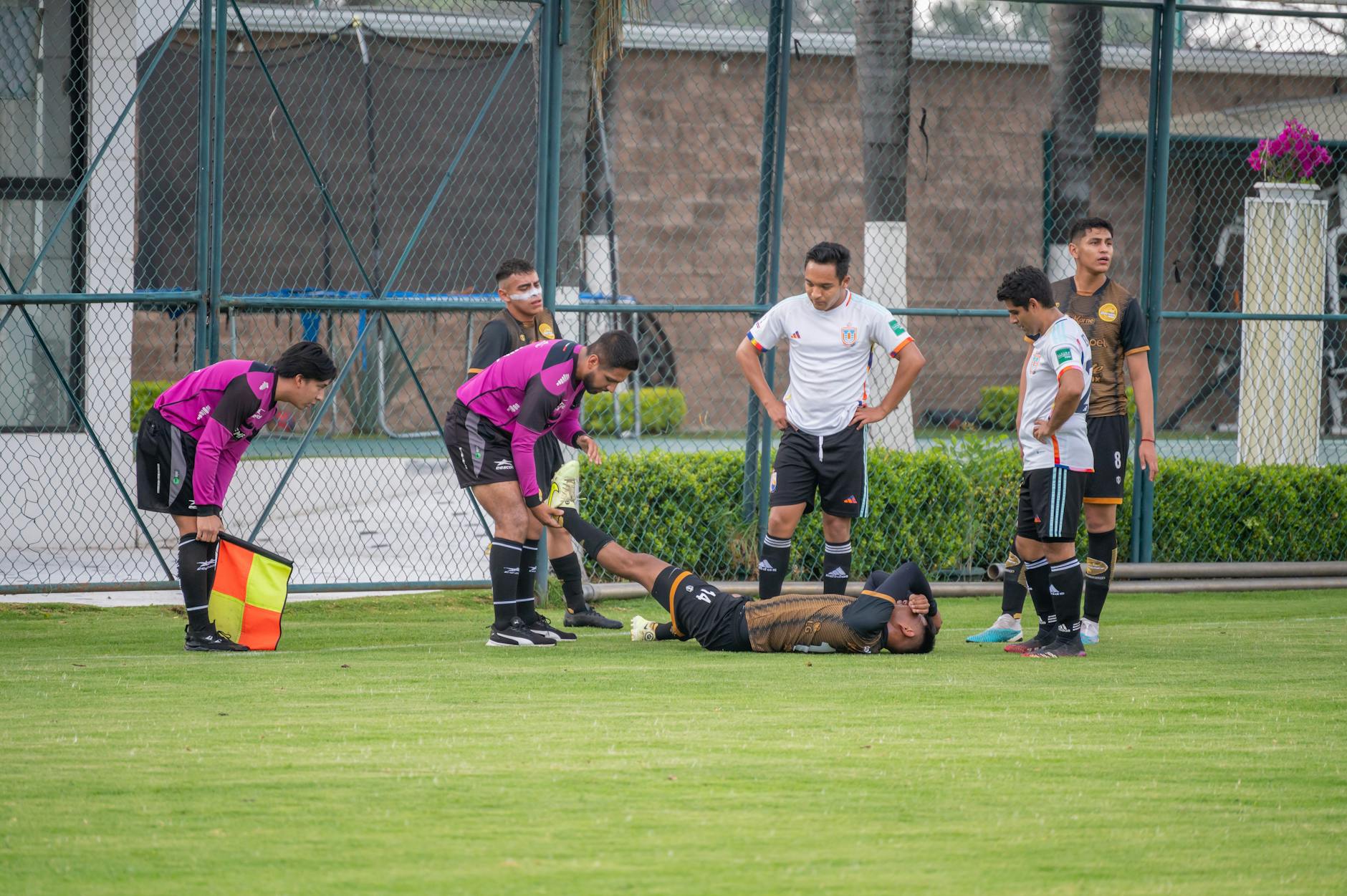
Given that prevention is incomparably more effective than treatment, the logical question is: what specific strategies prevent head injuries in older adults? The leading cause—falls accounting for 40.5% of TBIs in older adults—is highly preventable through a combination of approaches that require no medications at all. Home modifications are remarkably effective. Removing trip hazards, installing grab bars in bathrooms, improving lighting, securing loose rugs, and ensuring clear pathways reduce fall risk substantially. Exercise programs that improve balance and leg strength—such as tai chi or targeted balance training—have been shown to reduce falls by 20-30%. Vision correction and hearing aids address sensory losses that contribute to falls.
A simple medication comparison illustrates the point: a person might take a statin to reduce cardiovascular risk by 30%, yet often neglects balance training that can reduce fall risk (and therefore TBI risk) by 25-30%. Prevention of injury receives far less medical attention than prevention of heart disease, despite comparable effectiveness and higher stakes for brain health. Awareness of medication side effects also matters. Some medications increase dizziness, confusion, or balance problems—and these effects increase TBI risk in older adults. Working with a doctor to minimize unnecessary medications and manage side effects of necessary ones is part of prevention strategy. Cognitive engagement and avoiding excessive alcohol consumption further protect against injury and its consequences.
Understanding Post-Concussive Syndrome and Why Recovery Is Incomplete
Post-concussive syndrome affects 30-50% of people who experience moderate to severe traumatic brain injury, creating a chronic condition that persists long after the initial injury heals. Symptoms include persistent headaches, concentration difficulties, memory problems, sleep disturbances, and mood changes. The tragedy is that post-concussive syndrome often develops in people who had “mild” injuries and expected to recover completely. They return to work or daily activities, only to discover that brain function is subtly but persistently altered. Medications can address individual symptoms—stimulants for concentration problems, antidepressants for mood changes, pain medications for headaches—but none of these treat the underlying neurological changes.
A patient with post-concussive syndrome explained: “The medications help manage specific problems, but my brain doesn’t work the way it did before the injury. That’s the real problem, and no pill addresses it.” Cognitive rehabilitation therapy helps some patients, and time helps others, but many experience persistent effects for years or indefinitely. The warning here is clear: preventing the injury that leads to post-concussive syndrome is far preferable to managing it afterward. For older adults, post-concussive syndrome can accelerate decline toward dementia. The persistent cognitive and neurological changes create a foundation upon which further age-related decline occurs more rapidly. Prevention becomes not just a quality-of-life issue but a dementia-prevention issue.
When Medication Still Matters in TBI Care
This emphasis on prevention should not be misinterpreted as suggesting that medication plays no role in head injury. In acute TBI care, medications are essential. Immediately after a severe head injury, medications prevent seizures, reduce dangerous brain swelling, manage pain, and maintain vital functions. These medications are life-saving and necessary.
The point is not that medication is useless in TBI—the point is that medication’s role is secondary to prevention, and medication cannot reverse the initial damage. Similarly, for someone who has already experienced a traumatic brain injury, medications to manage resulting conditions remain important. Antidepressants for post-injury mood disorders, medications to manage post-concussive headaches, and other symptom-focused treatments improve quality of life. But these treatments exist because prevention failed—because the injury already occurred. They are necessary, but they operate in the context of damage that could have been prevented entirely.
The Future of Brain Health: Prevention as Primary Strategy
As our understanding of how head injuries contribute to long-term cognitive decline deepens, the future of brain health increasingly focuses on prevention rather than treatment. The fact that TBI has the highest incidence of all common neurological disorders should prompt a corresponding investment in prevention infrastructure. Yet most healthcare systems invest more heavily in treating dementia than in preventing the head injuries that accelerate its development.
The path forward involves reframing head injury prevention as a central component of dementia prevention strategy. For older adults particularly, fall prevention programs, home safety assessments, and balance training should be standard recommendations from healthcare providers—not optional add-ons. Public health campaigns should emphasize that preventing a head injury protects against dementia in ways that no medication can replicate. As our population ages and dementia rates continue to rise, this shift in perspective from treatment-focused to prevention-focused becomes increasingly urgent.
Conclusion
The evidence is clear: avoiding head injuries matters more than medication for brain health because prevention is the only truly effective strategy to maintain brain integrity and prevent cognitive decline. Once a traumatic brain injury occurs, the damage is done, and medication can only address consequences that no pill can fully reverse. For older adults, this distinction becomes critical, as the aging brain’s limited reserve means that head injury consequences are more severe and recovery is less complete.
The 586 daily hospitalizations for TBI in the U.S., the 2.3 to 4.5 times increased risk of Alzheimer’s following head injury, and the lack of effective treatments for initial impact damage all point to one conclusion: preventing the injury is incomparably better than treating it. If you are concerned about brain health and dementia prevention, the most effective intervention available today is not a medication—it is preventing falls and head injuries through environmental modifications, balance training, regular exercise, and awareness. Work with your healthcare provider to identify your fall risk, assess your home for hazards, and implement prevention strategies tailored to your individual circumstances. Your uninjured brain is your most valuable asset for maintaining cognitive health through aging.
You Might Also Like
- Why wearing hearing aids Matters More Than Medication for Brain Health
- Why wearing hearing aids Matters More Than Medication for Brain Health
- Why volunteering Matters More Than Medication for Brain Health
For more, see Alzheimer’s Association.