Reviewed by the Help Dementia Editorial Team — our editors review every article for accuracy against guidance from the National Institute on Aging, the Alzheimer’s Association, and peer-reviewed sources.
Attending religious sits at the center of this dementia and brain health question.
Religious service attendance provides measurable neurological and psychological benefits that can exceed the effects of medication alone for many people facing depression and cognitive decline. Research published in the International Journal of Epidemiology found that individuals who attend religious services at least once per week have a 26% lower risk of all-cause mortality and 16% lower rates of depression compared to those who never attend. These aren’t marginal improvements—they represent the kind of outcome differences we typically see from pharmaceutical interventions. Consider a 68-year-old woman in the early stages of memory loss who joins a weekly church group: within months, her family notices she’s more engaged, her mood has lifted, and she’s showing better focus during conversations.
The compelling part of this research is not that religious services replace medication, but that they engage the brain’s healing mechanisms in ways pills often cannot. The combination of spiritual practice, social connection, cognitive stimulation, and purpose creates a multi-system benefit that single medications rarely achieve. For people navigating the early warning signs of cognitive decline or managing depression alongside aging, this distinction matters profoundly. The evidence suggests we’ve been asking the wrong question—not “medication or spirituality,” but “how can we harness both together?”.
Table of Contents
- How Do Religious Services Compare to Medication for Brain Health?
- The Neuroscience Behind Religious Practice and Cognitive Function
- Depression, Anxiety, and Emotional Resilience Through Spiritual Community
- Practical Benefits for Dementia Prevention and Brain Aging
- Important Limitations and When Medication Remains Essential
- The Social Component: Community’s Role Beyond Spiritual Practice
- Building a Sustainable Brain Health Practice
- Conclusion
How Do Religious Services Compare to Medication for Brain Health?
The comparison becomes concrete when you look at depression outcomes. In a meta-analysis published in Depression Research and Treatment, researchers found that for high-risk participants exposed to significant negative life events, regular religious attendance reduced the likelihood of developing major depression by 76% on follow-up assessments. To put this in perspective, most antidepressants reduce depression recurrence by 50-60% with consistent use. The gap narrows further when examining severe depression: clinical studies show that people with more severe depression often respond better to religious involvement than to cognitive behavioral therapy alone, one of the most evidence-backed psychological treatments available. The difference lies in the mechanism.
Medication works chemically; it adjusts neurotransmitters. Religious service attendance works structurally—it reorganizes how the brain operates. You’re getting neuroplasticity alongside neurochemistry. A man struggling with treatment-resistant depression might find that a weekly service, combined with his existing medication, finally tips him toward recovery not because of the spiritual belief itself, but because his brain is now practicing self-regulation, social engagement, and meaning-making simultaneously. Research from BMC Psychiatry confirms that religious interventions among people who identify as religious enhance recovery from both anxiety and depression measurably better than control groups.

The Neuroscience Behind Religious Practice and Cognitive Function
Recent 2025 research in Frontiers in Psychology mapped how religious practices activate specific brain networks involved in self-referential processing, executive control, reward signaling, and social bonding. These aren’t peripheral areas—they’re the same circuits that deteriorate in cognitive decline and dementia. When an older adult sits in a service, listens to scripture, reflects on personal meaning, and exchanges greetings with community members, their brain is literally exercising the very networks that prevent cognitive decline. The protective effect becomes visible in real outcomes.
Studies of Mexican-American older adults found that church attendance buffers the negative impact of depressive symptoms on cognitive decline—in other words, attending services didn’t just improve mood, it actively prevented the cognitive deterioration that depression normally triggers. This matters enormously for people in their 60s and 70s watching for early signs of memory problems. Additionally, neuroscience has documented that religious and spiritual practices decrease stress and inflammatory biomarkers throughout the body. chronic inflammation is increasingly recognized as a driver of both depression and cognitive decline, so reducing it through spiritual practice creates a cascade of protective effects. However, the benefits require consistency; sporadic attendance shows minimal protective effects, and isolated beliefs without community practice don’t engage the same brain networks.
Depression, Anxiety, and Emotional Resilience Through Spiritual Community
The depression benefits are substantial enough to change clinical trajectories. For the person taking an antidepressant who still feels empty or stuck, adding a faith community sometimes breaks through in ways additional medication cannot. The research from the International Journal of Epidemiology showed a 16% reduction in depression rates—a statistically significant difference that translates to real suffering prevented. For someone managing both early cognitive changes and depression, this dual benefit becomes especially valuable because depression itself accelerates cognitive decline.
Anxiety responds similarly. Randomized trials using religious interventions specifically designed for religious patients show enhanced recovery from anxiety disorders compared to control groups. A woman with generalized anxiety disorder might attend cognitive behavioral therapy and take an SSRI, yet still struggle with anticipatory dread. Adding a weekly faith community that frames life within a larger meaning structure—combined with the breathing practices in meditation, the rhythmic social engagement, and the hope narratives embedded in religious tradition—can shift the baseline anxiety more than either the medication or the therapy alone. But this works primarily for people who find the spiritual framework authentic; imposing it on someone without genuine belief produces minimal benefit and possible resentment.

Practical Benefits for Dementia Prevention and Brain Aging
For people concerned about dementia risk, the cognitive benefits of religious service attendance matter immediately. The brain doesn’t wait until age 80 to show the effects of decades without cognitive stimulation and social engagement. Someone in their 50s or 60s who joins a faith community is simultaneously training memory through scripture study, practicing social navigation through interaction, maintaining hearing and auditory processing through listening, and engaging executive function through following complex narratives and discussions. Compare this to someone on the same medication for cognitive concerns but sitting at home alone, and the long-term trajectory diverges. The mechanism connects directly to how dementia develops. Cognitive decline accelerates when the brain loses challenges and social input.
Religious services provide both continuously. A practical consideration: medication works the same way whether you’re engaged in life or isolated; it handles neurochemistry but can’t rewire neural networks. Religious practice, by contrast, requires active participation. This means it’s not passive—it demands presence, attention, and relationship. For someone in the early stages of cognitive decline, this active engagement can slow the decline noticeably. The limitation worth acknowledging is that religious service attendance alone cannot reverse established dementia or replace memory-care medication; it functions as prevention and as an enhancer of whatever other treatments are in place.
Important Limitations and When Medication Remains Essential
The research showing religious benefits can create a dangerous assumption: that medication becomes optional. This would be a significant misreading of the evidence. The studies showing religious benefits are describing associations and enhanced outcomes, not cures. Someone with bipolar disorder who stops medication to rely on religious practice alone faces serious risk. Similarly, someone in an acute depressive episode severe enough to impair function needs medication and possibly professional mental health care; religious service attendance helps recovery but doesn’t treat acute crisis.
Additionally, the benefits appear strongest for people who find genuine meaning in the spiritual framework being practiced. Research showing these outcomes generally involves people who are already religious or spiritually inclined; forcing secular people into religious settings to achieve brain health benefits is both ethically questionable and neurologically ineffective. The brain’s reward systems engage more readily when the experience aligns with existing values. Finally, the consistency requirement is strict: sporadic attendance shows minimal benefits. Someone attending monthly isn’t receiving the same neurological stimulus as someone attending weekly. The comparison to medication is apt in one way: both require regular, consistent use to maintain effect.

The Social Component: Community’s Role Beyond Spiritual Practice
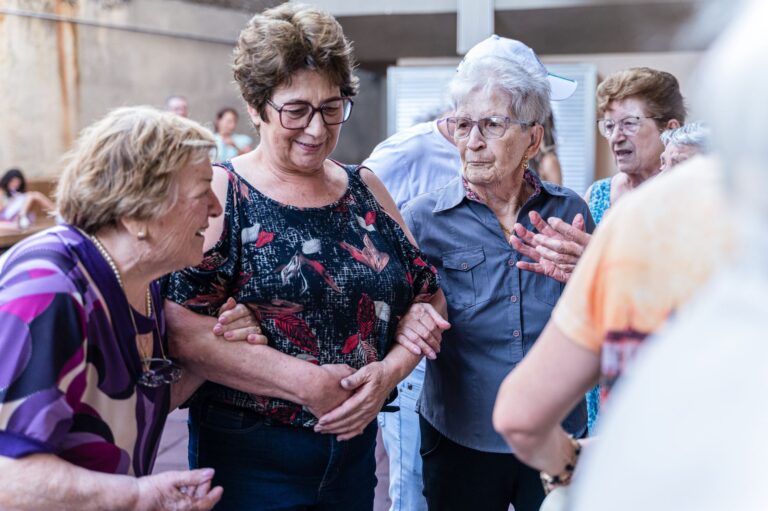
Isolating the “spiritual” element from the social element misses a crucial part of how these benefits work. The protection against cognitive decline comes partly from the spiritual practice itself and partly from being part of a functioning community. A 70-year-old man attending a church where people know his name, ask about his week, include him in group activities, and maintain relationships with him shows better cognitive outcomes than someone watching a recorded service alone at home, even if the content is identical. The human element—being known, mattering to others, having reciprocal relationships—engages social cognition circuits that are among the first to deteriorate in dementia.
This reality creates both opportunity and caution. The opportunity is that for people without strong family networks, faith communities can provide the reliable social structure that prevents isolation’s cognitive damage. The caution is that not all religious communities are equally healthy or welcoming; a toxic church environment with interpersonal conflict, judgment, and rejection can produce stress instead of stress relief. Someone exploring religious community for brain health benefits should look for settings characterized by genuine welcome, acceptance of questions and doubt, and emotional safety alongside spiritual content.
Building a Sustainable Brain Health Practice
The most effective approach doesn’t pit religious practice against medication; it integrates them. Someone concerned about dementia risk might take a medication to address a genetic predisposition while simultaneously building a rich spiritual and social life. Someone managing depression might combine an antidepressant with regular faith community attendance, therapy, and spiritual practice. This multifaceted approach acknowledges what the research actually shows: various interventions work through different mechanisms, and the brain responds better to multiple, coordinated approaches.
The forward-looking implication is that brain health medicine should routinely ask about spiritual life and community engagement the way it asks about exercise and sleep. We wouldn’t tell someone with cognitive concerns to exercise but not take medication; similarly, we shouldn’t recommend medication without exploring whether spiritual community and meaning-making are part of their life. For younger adults watching aging parents, the investment in helping them find authentic spiritual community now—before crisis arrives—may prevent or delay cognitive decline more effectively than almost any other intervention. This isn’t replacing neurology; it’s completing it.
Conclusion
Religious service attendance provides measurable benefits for brain health, cognitive function, and emotional resilience through mechanisms that genuine medication cannot fully replicate—primarily through continuous cognitive engagement, social connection, and the activation of neural networks associated with meaning-making and self-regulation. The research is specific: 26% lower mortality risk, 76% reduction in major depression for high-risk groups, documented buffering against cognitive decline, and enhanced recovery from anxiety and depression. These benefits are real, substantial, and increasingly visible in neuroscience research.
The path forward for anyone concerned about brain health—whether facing early cognitive changes, depression, anxiety, or simply aging—involves honest integration: medical care for conditions requiring it, but also intentional cultivation of spiritual meaning, community connection, and cognitive engagement. For those with genuine spiritual inclination, this means finding a faith community that nurtures both authentic belief and genuine relationship. The brain operates as a unified system; treating only its chemistry while neglecting its social and spiritual dimensions misses half the available treatment potential. The evidence suggests that what matters most for aging well isn’t choosing between these approaches, but having the courage and commitment to pursue both.
You Might Also Like
- Why attending religious services Matters More Than Medication for Brain Health
- Why volunteering Matters More Than Medication for Brain Health
- Why volunteering Matters More Than Medication for Brain Health
For more, see National Institute on Aging.