Fractures are significantly more common in Parkinson’s disease because the condition creates a dangerous convergence of two distinct problems: dramatically increased fall risk and compromised bone health. Research shows that people with Parkinson’s have more than twice the risk of fractures compared to the general population, with hip fracture risk climbing to three times higher. The motor symptoms that define Parkinson’s, including postural instability, muscle rigidity, bradykinesia (slowness of movement), and impaired balance reactions, cause patients to fall at roughly twice the rate of their peers. When these falls occur, they strike bones that are often already weakened by osteoporosis, vitamin D deficiency, and reduced physical activity. Consider a 72-year-old man diagnosed with Parkinson’s five years ago.
He experiences a forward freezing episode while walking to his kitchen, falls, and breaks his hip. This scenario is not unusual; studies show that approximately 64% of Parkinson’s patients report falls within a given year, and among those who fall, 59% sustain post-traumatic fractures. What makes this population particularly vulnerable is that the disease itself, along with the medications used to treat it, can accelerate bone loss even before a fall occurs. This article examines the multiple mechanisms that increase fracture risk in Parkinson’s disease, from the motor impairments that cause falls to the lesser-known impacts on bone metabolism. We will explore how disease severity affects risk, what role medications like levodopa play in bone health, and most importantly, what can be done to reduce the likelihood of these life-altering injuries.
Table of Contents
- What Motor Symptoms in Parkinson’s Disease Lead to More Fractures?
- How Does Bone Health Deteriorate in People with Parkinson’s Disease?
- The Impact of Levodopa and Other Medications on Bone Density
- Preventing Fractures Through Targeted Interventions
- Why Fracture Outcomes Are Worse in Parkinson’s Patients
- The Role of Disease Severity and Duration
- Looking Ahead: Integrating Bone Health into Parkinson’s Care
- Conclusion
What Motor Symptoms in Parkinson’s Disease Lead to More Fractures?
The cardinal motor symptoms of Parkinson’s disease directly undermine the body’s ability to maintain balance and protect itself during a fall. Postural instability, bradykinesia, axial stiffness, and diminished protective reflexes collectively create what researchers describe as a “perfect storm” for fracture risk. people with Parkinson’s tend to fall forward more frequently than other older adults, and they often lack the reaction speed to extend their arms and break the fall, allowing their hips, shoulders, and wrists to absorb the full impact. Gait abnormalities in Parkinson’s disease further compound the problem. Freezing of gait, where a person’s feet seem temporarily stuck to the floor, causes sudden, unexpected falls that offer no time for correction.
Shuffling steps reduce the normal loading mechanics that help maintain bone strength, while festination (involuntary acceleration of steps) can cause forward momentum that patients cannot control. A comparison with age-matched adults without Parkinson’s reveals that PD patients fall twice as often, but it is not simply the frequency of falls that matters; it is the nature of those falls. Importantly, research from the UK has shown that balance impairment appears up to five years before formal Parkinson’s diagnosis. This finding suggests that fall and fracture risk may already be elevated during the prodromal phase of the disease, before most patients or physicians are even aware that Parkinson’s is developing. One study found elevated hip fracture risk from three years before diagnosis continuing through ten years after, underscoring the need for early and sustained vigilance.

How Does Bone Health Deteriorate in People with Parkinson’s Disease?
Osteoporosis and osteopenia are remarkably prevalent in the Parkinson’s population, affecting up to 91% of women and 61% of men with the disease. Multiple factors contribute to this bone loss. Reduced mobility limits the mechanical loading that stimulates bone maintenance. Vitamin D deficiency is widespread, both because many patients spend less time outdoors and because the disease may affect vitamin D metabolism directly. Nutritional deficits from swallowing difficulties and loss of appetite further compromise bone health. However, the mechanisms extend beyond lifestyle factors.
Research in cell culture and animal models has demonstrated that dopamine receptors are expressed in bone cells and influence bone strength. The decrease in dopamine signaling that characterizes Parkinson’s disease may therefore directly weaken bones, independent of mobility or nutrition. Studies comparing Parkinson’s patients to age-matched controls show significantly lower bone mineral density at the femoral neck (approximately 5% lower) and lumbar spine, even after accounting for other risk factors. If you are caring for someone with mild Parkinson’s symptoms who remains physically active, do not assume their bone health is protected. While activity certainly helps, the disease itself acts as an independent risk factor for osteoporosis. The combination of dopamine deficiency, vitamin D insufficiency, and subtle changes in body composition can erode bone strength even in relatively active patients. This is why bone density testing is recommended for all Parkinson’s patients, not just those with obvious mobility limitations.
The Impact of Levodopa and Other Medications on Bone Density
Levodopa remains the gold-standard medication for Parkinson’s disease, effectively reducing tremor, rigidity, and slowness in most patients. However, research has revealed an uncomfortable paradox: the same medication that improves quality of life may also contribute to bone loss. Studies in Parkinson’s disease model mice have shown that levodopa treatment reduces bone mass by inhibiting bone formation, likely through elevation of homocysteine levels. This bone-related effect operates through several pathways. Levodopa treatment was shown to decrease the width of newly synthesized bone, reduce osteoblast surfaces, and lower overall bone formation rate. Mice treated with levodopa displayed higher homocysteine levels compared to controls, and elevated homocysteine is known to interfere with bone metabolism by affecting collagen cross-linking and osteoblast function.
For patients on long-term levodopa therapy, spanning decades in many cases, this represents a cumulative risk that often goes unmonitored. The situation presents a genuine clinical tradeoff. Levodopa dramatically improves motor function and quality of life, and there is no recommendation to avoid it due to bone concerns. Instead, clinicians should recognize that levodopa therapy adds another layer of risk on top of the disease’s inherent impact on bones. This understanding should prompt more aggressive bone health monitoring and intervention. Some patients may benefit from vitamin B supplementation to help manage homocysteine levels, though this approach requires further study in the Parkinson’s population specifically.
Preventing Fractures Through Targeted Interventions
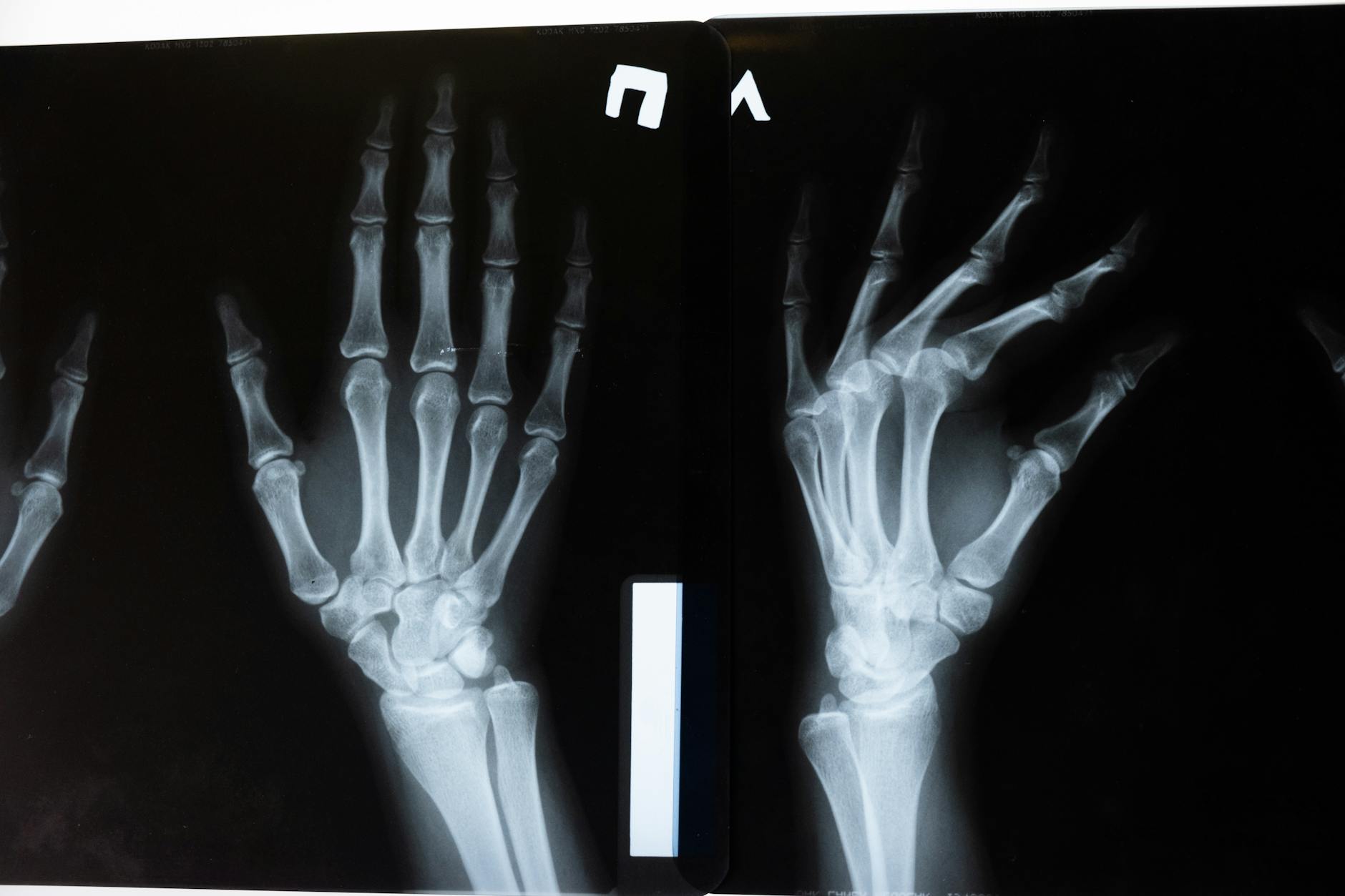
Fracture prevention in Parkinson’s disease requires a dual approach: reducing falls and strengthening bones. For fall prevention, exercise-based interventions targeting balance and strength have shown consistent benefit. However, the type of exercise matters significantly. Tai chi, dance therapy, and structured balance training appear more effective than general fitness programs because they specifically challenge the postural control systems compromised by Parkinson’s. When comparing pharmacological options for bone protection, bisphosphonates and vitamin D supplementation have demonstrated effectiveness in reducing non-vertebral fracture risk in Parkinson’s patients.
The TOPAZ study, an ongoing clinical trial, is investigating zoledronate (a bisphosphonate already FDA-approved for osteoporosis) specifically for fracture prevention in Parkinson’s disease. Research suggests that vitamin D doses of 700-1,000 IU daily can reduce fall risk by approximately 19% in older adults, with potential additional benefits for motor symptom progression in Parkinson’s patients specifically. The challenge lies in implementation. Studies consistently show that fewer than 10% of Parkinson’s patients are screened for osteoporosis after a fracture, and less than one-third of those who qualify for bone-protective treatment actually receive it. The BONE PARK initiative has developed specific algorithms for bone health assessment and management in Parkinson’s disease, recognizing that standard osteoporosis guidelines may not adequately capture risk in this population. Hip protectors, while sometimes resisted by patients for comfort and cosmetic reasons, can absorb impact force during falls and represent a practical protective measure.
Why Fracture Outcomes Are Worse in Parkinson’s Patients
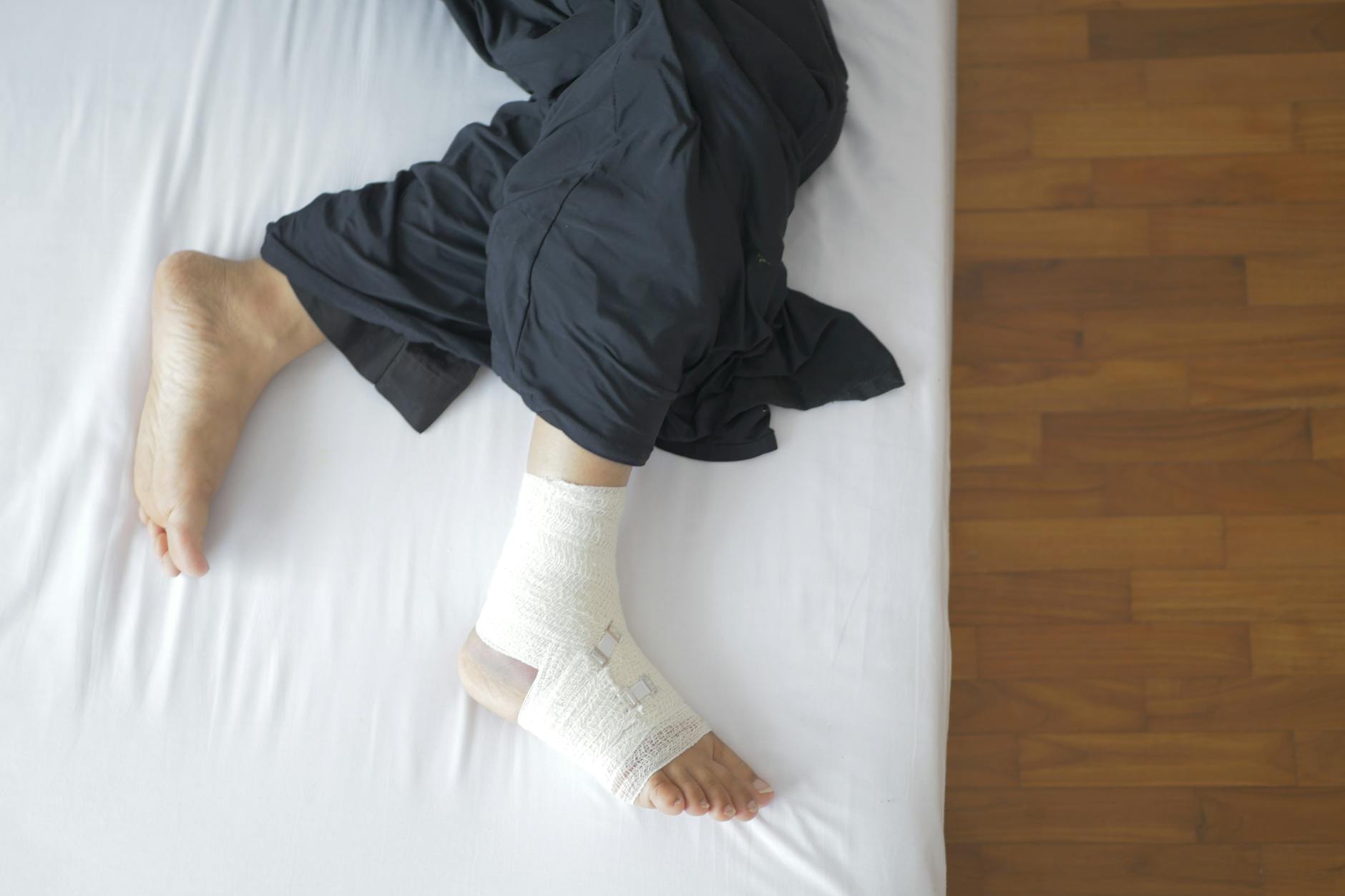
Even when fractures are promptly treated, outcomes in Parkinson’s patients are notably poorer than in the general population. Hip fractures in particular cause a cascade of complications. Patients with Parkinson’s experience longer hospital stays, higher rates of postoperative complications, and are significantly less likely to return home within 30 days of surgery. Many require discharge to skilled nursing facilities rather than their own homes, and a substantial number never regain their pre-fracture functional level. The motor symptoms that caused the fall in the first place now complicate recovery. Tremors and rigidity interfere with physical therapy exercises.
Balance problems make learning to walk again with a repaired hip both dangerous and frustrating. Cognitive changes, present in many Parkinson’s patients, can make it difficult to follow rehabilitation protocols or recognize warning signs of complications. The deconditioning that occurs during hospitalization often triggers a permanent decline in overall function. These sobering outcomes underscore a crucial point: fracture prevention is far more effective than fracture treatment in this population. A fracture that might represent a temporary setback for an otherwise healthy 75-year-old can permanently alter the trajectory of Parkinson’s disease. Caregivers and patients should understand that avoiding falls is not simply about avoiding injury; it is about preserving independence and slowing disease progression.
The Role of Disease Severity and Duration
Fracture risk in Parkinson’s disease is not static; it increases linearly with disease severity and duration. Patients with Hoehn and Yahr stage III-IV disease face substantially higher risk than those with milder symptoms, and each year of disease duration adds additional risk. One study found that patients with severe disease had 65% higher fracture risk compared to matched controls, while those with mild disease showed more modest increases.
This progression has practical implications for care planning. In early disease stages, general fall prevention strategies and periodic bone density monitoring may suffice. As the disease advances, more aggressive interventions become appropriate, including home safety modifications, walking aids, hip protectors, and pharmacological bone protection. Families should anticipate increasing fall risk rather than responding only after fractures occur.
Looking Ahead: Integrating Bone Health into Parkinson’s Care
Despite overwhelming evidence of elevated fracture risk, bone health remains what researchers describe as a “significantly overlooked” aspect of Parkinson’s care. The updated National Osteoporosis Guideline Group (NOGG) now recommends that a Parkinson’s diagnosis should automatically trigger fracture risk assessment, yet clinical pathways remain inconsistent. Neurologists focus on motor symptoms, rehabilitation specialists focus on function, and bone health often falls through the gaps.
The BONE PARK research protocol and similar initiatives represent a shift toward integrated care models where bone health is treated as a core component of Parkinson’s management rather than an afterthought. Early findings suggest that proactive screening and treatment can substantially reduce fracture rates, but implementation remains spotty. As the Parkinson’s population grows, with nearly one million Americans currently living with the disease, the burden of preventable fractures will only increase unless systematic changes in care delivery occur.
Conclusion
Fractures in Parkinson’s disease result from the unfortunate combination of frequent falls and fragile bones. Motor symptoms including postural instability, freezing of gait, and slowed movements cause patients to fall at twice the rate of their peers, while osteoporosis, vitamin D deficiency, and medication effects leave bones vulnerable to breaking under impact. The statistics are stark: more than 22% of Parkinson’s patients suffer fractures during the course of their disease, compared to under 9% of age-matched controls. Effective fracture prevention requires attention to both sides of this equation.
Balance and strength training can reduce falls; bone density testing, vitamin D supplementation, and osteoporosis medications can strengthen bones. Hip protectors provide a practical last line of defense when falls do occur. The most important step is recognizing that bone health is not a separate concern from Parkinson’s care but an integral part of managing the disease. Patients, caregivers, and healthcare providers should discuss fracture risk early and revisit it regularly as the disease progresses, implementing protective measures before rather than after the first broken bone.