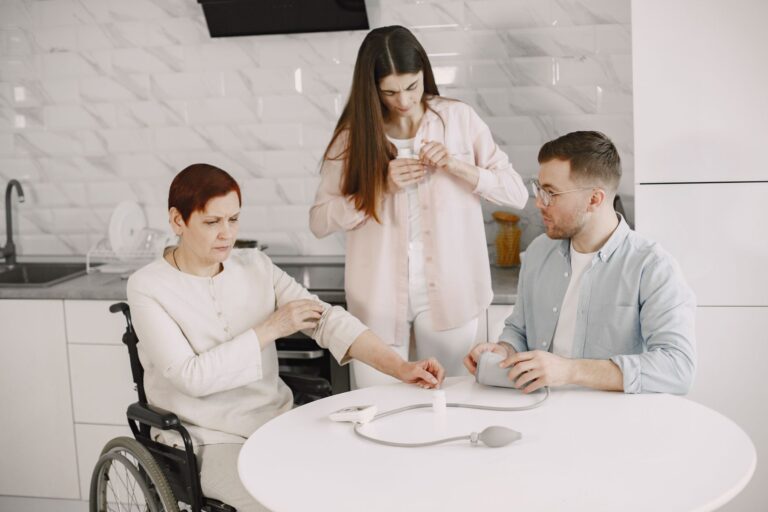
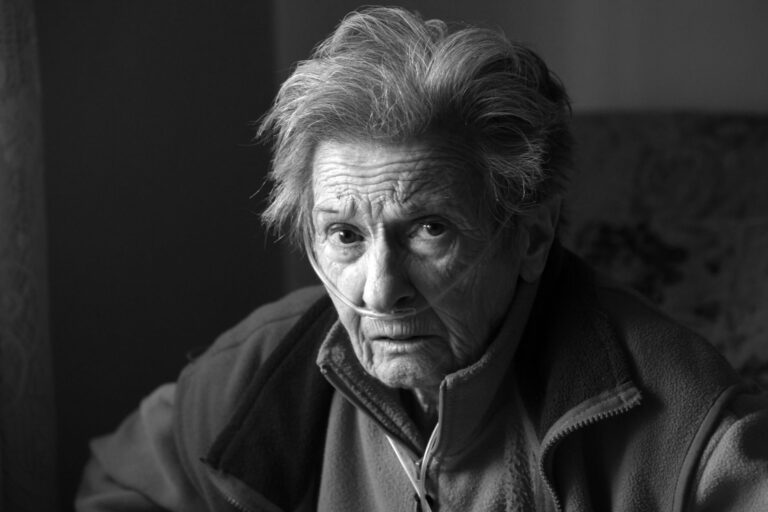
Ambiguous loss in dementia families occurs because the person you love is still physically present while mentally disappearing—a double grief that happens all at once. Unlike a death, where the loss is recognized and mourned openly, dementia creates a living loss: the person sits across the table from you, but the person they were—their personality, their memories, their ability to recognize you—is already gone. This is why families often say they feel like they’re losing their loved one twice: once to the disease, and once more as each new decline steals another piece of who that person was. A daughter caring for her mother with advanced Alzheimer’s describes it this way: “She’s here, but she’s not here.
I can’t even grieve properly because people keep saying, ‘Well, she’s still alive,’ but the mom I knew died years ago. I’m stuck between accepting she’s already gone and pretending she’s still here.” This in-between state—where someone remains alive but the relationship as it existed has ended—defines ambiguous loss. The concept, developed by family therapist Pauline Boss, applies uniquely to dementia because the disease creates a permanent state of uncertainty and incomplete endings. There is no funeral, no final goodbye, no clear moment when the grief “should” be finished. Instead, family members grieve repeatedly as the disease progresses, losing their loved one in pieces over months or years.
Table of Contents
- What Makes Dementia Different From Other Losses?
- How Gradual Decline Creates Ongoing Ambiguity
- How Ambiguous Loss Disrupts Family Relationships
- Caregiving While Grieving the Person You’re Caring For
- The Psychological Toll of Unresolved Grief
- Social Invisibility Makes the Loss Harder to Acknowledge
- How Ambiguous Loss Compounds Over Time in Advanced Dementia
- Frequently Asked Questions
What Makes Dementia Different From Other Losses?
dementia losses are ambiguous because there’s no resolution point—no closure that comes with death, divorce, or other life ruptures. The person remains present physically but absent mentally, which leaves the griever in an impossible emotional position. You can’t say goodbye to someone who is still in the room with you. You can’t process the loss and move forward because the person hasn’t died; they’re just no longer accessible to you. This differs sharply from other losses families experience. When someone dies, the loss is concrete and recognized by everyone around you. When a relationship ends, there’s a clear before-and-after.
But with dementia, the loss is incremental, invisible to outsiders, and sometimes denied even by close family members. A son might be watching his father forget his name, yet still have to introduce himself and pretend this is normal family conversation. The loss is happening in plain sight, but there’s no socially agreed-upon way to acknowledge it. In many dementia situations, the physical loss precedes the death by years. The person may live another five, ten, or fifteen years after they’ve lost the ability to communicate meaningfully. This extended timeline means the ambiguous loss can feel more exhausting and unresolved than a sudden death. There’s no end date to plan for, no sense that the grief will eventually be “complete.”.
How Gradual Decline Creates Ongoing Ambiguity
Dementia doesn’t announce itself clearly. The changes come slowly—first forgetting recent conversations, then losing track of days, then no longer recognizing family members—and each loss happens while the person is still alive and still physically present. This gradual slide means families never quite know what they’re grieving or when to grieve it. Do you mourn when she forgets your name? When he can’t find words? When they stop recognizing their own children? The gradual nature also creates false hope at every stage. Many families hold onto the belief that the person might improve, might have moments of clarity that mean the disease is slowing or reversing.
These brief moments—a flash of recognition, a full sentence spoken clearly—can feel like small victories, making it harder to accept the larger loss that’s occurring. A wife might cherish a moment when her husband says her name clearly, even though he won’t remember the conversation in an hour. This rollercoaster of tiny hopes and repeated losses makes the grief fragmented and difficult to process. One limitation of this gradual process is that it can delay necessary acceptance. Families sometimes spend years in denial, treating each new loss as temporary rather than permanent, which means they’re grieving inefficiently and may not prepare emotionally or practically for what’s coming. The person with dementia may need more care, more structure, or eventually placement in a facility, but families in denial about the loss might delay these decisions until a crisis forces their hand.
How Ambiguous Loss Disrupts Family Relationships
Relationships change in profound ways once dementia enters the picture, and this shift is one of the central ambiguous losses. A spouse doesn’t just lose their partner; they lose the reciprocal relationship itself. The husband who spent fifty years making decisions together with his wife now makes all decisions alone. The wife who relied on her husband’s emotional support now has no one to confide in about the very loss she’s experiencing. The relationship is still present—in the sense that they live together and interact daily—but it’s fundamentally broken. Adult children experience a different but equally disorienting shift. A daughter who always went to her mother for advice suddenly finds herself making decisions for her mother. The person who once seemed invincible becomes entirely dependent.
This role reversal happens in other caregiving situations, but it’s complicated in dementia by the fact that the parent often can’t understand or appreciate the sacrifice being made. They may become angry, accusatory, or rejecting toward the adult child who is literally keeping them alive. A son might spend his evenings at his mother’s home helping her bathe and dress, only to be told to leave because his mother doesn’t recognize him and thinks he’s a stranger trying to harm her. Siblings often diverge in how they grieve this loss, which can fracture family bonds. One sibling might accept the decline and prepare for eventual placement in a care facility, while another sibling insists the parent can recover or improve with enough effort. These different grief styles create conflict exactly when the family needs to work together most. One sibling might want to talk about the loss; another might avoid the topic entirely. The absence of agreement on what’s being lost—and how to grieve it—adds another layer of ambiguity to family relationships already strained by the disease.
Caregiving While Grieving the Person You’re Caring For
One of the cruelest paradoxes of ambiguous loss in dementia is that you must continue intimate caregiving for the person even as you’re grieving them. A daughter helps her mother to the bathroom, combs her hair, and spoon-feeds her dinner—all the while aware that her mother no longer knows who she is. The caregiving is necessary and often becomes a form of love, but it happens against the backdrop of a loss that’s never fully acknowledged or resolved. This creates a unique emotional burden that other caregiving situations don’t impose. When you care for someone with a physical illness, you’re usually still in relationship with that person. When you care for an elderly parent who is mentally sharp, you can talk about what’s happening and plan together. But dementia caregiving often occurs in isolation, with the caregiver bearing the emotional weight alone.
The person being cared for can’t understand why they need help, why they’re unhappy, or why their caregiver looks sad. The caregiver can’t process the loss with the person they’re grieving because that person is no longer available for that kind of conversation. A comparison worth noting: grief after death allows for finality and eventually moving forward. Ambiguous loss doesn’t offer this resolution. A caregiver might have fantasies about what will happen “after”—when the parent finally dies and the caregiving ends—but this creates guilt. The caregiver mourns the person they love while simultaneously counting the days until the ordeal ends, leading to painful internal conflict. Some caregivers report feeling relief when their loved one finally dies, followed immediately by guilt for having felt relief.
The Psychological Toll of Unresolved Grief
Ambiguous loss can lead to prolonged grief disorder, depression, and anxiety in family members, partly because there’s no clear end to the grieving process and no social permission to move through it. A daughter might be told by well-meaning relatives to “focus on the good memories” or “be grateful she’s still alive,” when what she’s actually experiencing is legitimate grief that shouldn’t be minimized. This lack of social validation—the sense that no one understands or accepts the loss she’s experiencing—compounds the psychological burden. The ongoing nature of ambiguous loss also means that caregivers don’t get the respite that grief usually provides. Most grieving processes follow a curve: the loss is acute, the pain is intense, but over time the intensity lessens and life gradually reconstructs around the loss. With dementia, families don’t get to move through that curve.
The disease progresses, new losses emerge, and the grief must be re-experienced repeatedly. A caregiver who has adjusted to their parent’s inability to speak might face a new crisis when the parent can no longer swallow safely and needs a feeding tube. Just when they’ve accepted one version of their parent’s condition, the disease requires them to accept yet another. A warning here: some families cope with this ongoing ambiguous loss by becoming hypervigilant about the person’s care, obsessing over medical details or daily routines as a way to feel they have some control. While this can lead to good care, it can also keep the caregiver locked in an acute stress state indefinitely. Others might withdraw from the relationship entirely, visiting less often or emotionally distancing themselves as a way to protect against further loss. These coping strategies sometimes work in the short term but can create additional suffering and guilt.
Social Invisibility Makes the Loss Harder to Acknowledge
When someone dies, the social world acknowledges the loss with rituals: funerals, condolences, a recognized status as a griever. Ambiguous loss in dementia gets no such acknowledgment. The person is still alive—from a legal standpoint, nothing has changed—so the world doesn’t recognize that a profound loss has occurred.
Coworkers might ask, “How’s your dad doing?” expecting a straightforward answer, when the real answer is, “He’s dying while still alive, and I don’t know how to explain that.” This invisibility means that people often grieve ambiguous loss in isolation and silence. A wife might struggle to explain to friends why she feels so sad when her husband is “still here.” A son might feel awkward asking for bereavement leave from work when his parent is technically still living. The loss exists but isn’t named, validated, or mourned openly. This silence can intensify the grief and delay the emotional processing that happens more easily when a loss is acknowledged by the community.
How Ambiguous Loss Compounds Over Time in Advanced Dementia
As dementia progresses to advanced stages, the ambiguous loss becomes even more complex. In late-stage dementia, the person may lose the ability to speak, recognize anyone, or respond to their environment. The family member sitting beside them might be caring for someone who is biologically alive but no longer showing signs of consciousness. At this stage, the question of “who is this person?” becomes increasingly urgent and unanswerable.
Some families describe this final stage as reaching a kind of peace—they’ve already grieved the loss so completely that the person’s physical death feels almost like a relief or a completion. Others find the late stage the most devastating because it’s the final stripping away of any meaningful connection. A husband might spend hours reading to his wife, who gives no indication she hears him, simply because the ritual of being together is the only way he can still express his love. The loss here includes not just the person’s mental abilities but the possibility of ever knowing whether any of these acts of love reached them.
- —
Frequently Asked Questions
Is ambiguous loss in dementia different from regular grief?
Yes. Ambiguous loss occurs while the person is still alive, with no clear endpoint or social recognition. Regular grief follows a death, which provides closure and social support. Dementia grief happens continuously as the disease progresses, with no final goodbye or moment when the grieving “should” end.
How long does ambiguous loss last in dementia?
It can last years, from the time symptoms appear until the person dies. Some families experience ambiguous loss for five to fifteen years or more, making it a prolonged, ongoing experience rather than an acute crisis that eventually resolves.
Can you still have a relationship with someone experiencing dementia?
Yes, but it’s a fundamentally different relationship. The reciprocal connection is lost—the person can’t remember you or participate in mutual decisions—but you can still express love through caregiving and presence, even if the person doesn’t recognize you or understand what’s happening.
Why do family members sometimes feel relief when their loved one finally dies?
Relief doesn’t mean you didn’t love them. It reflects the end of years of watching someone deteriorate, of caregiving without reciprocity, and of living with unresolved ambiguous loss. This relief is a normal response to the end of a long, painful journey.
Should I talk to a therapist about ambiguous loss?
Many people find it helpful. A therapist familiar with dementia grief and ambiguous loss can validate your experience, help you understand what’s happening, and teach coping skills that acknowledge the reality that your loved one is both alive and already lost to you.
Why don’t more people understand ambiguous loss in dementia?
Because it’s counterintuitive—people assume that if the person is alive, there shouldn’t be grief. The concept of losing someone who is still present isn’t part of common grief narratives, so families often feel isolated and think something is wrong with their response to the situation.