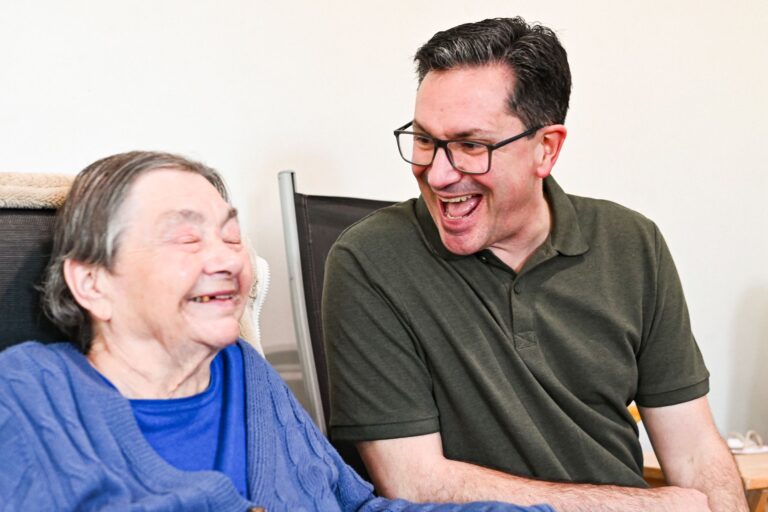
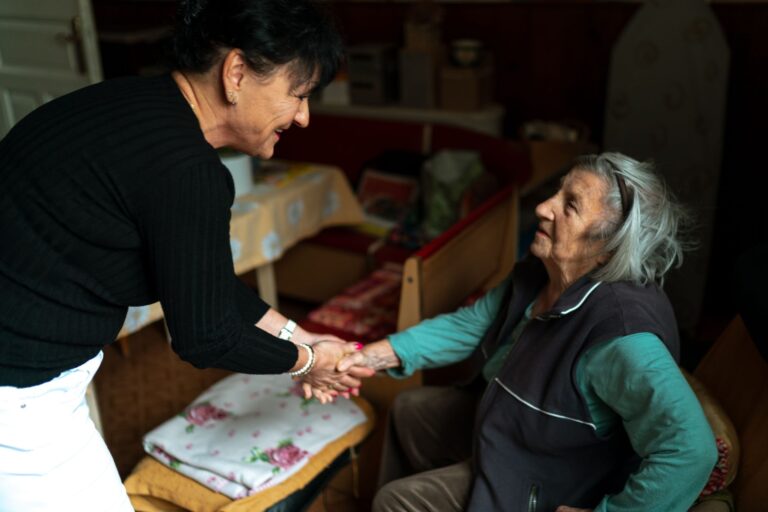
Consider dementia respite care for a parent living alone when medications or meals are missed, wandering or falls occur, hygiene slips, or appliances are left on. Respite care is short-term supervised care that gives you rest while your parent keeps receiving care and engagement in a safe place.
Living alone removes the daily safety net. You may only see clues during visits or phone calls. Acting at the first pattern, not after a crisis, keeps more options open.
Medical information disclaimer: This article is for general educational purposes only and does not provide medical advice, diagnosis, or treatment. Always consult a physician or other qualified health professional about symptoms, medications, tests, or treatment decisions.
Table of Contents
- Warning signs you should not ignore
- What respite care actually does
- When your own exhaustion is the signal
- How to reduce risk at home
- Where to find local help quickly
Warning signs you should not ignore
Watch for missed medications or meals, getting lost or wandering, falls, neglected hygiene, and appliances left on, which the Alzheimer's Association and Banner Health link to need for added supervision in Banner Health guidance on residential care. Ask four safety questions on every visit. Does your parent still drive.
Are medications taken as prescribed. Are there home-safety concerns. Has your parent gotten lost or wandered in familiar places.
- Pills left untaken, doubled, or scattered
- Empty fridge, spoiled food, or weight loss
- Bruises, burns, or a fall that was hidden
- Oven left on, strong odors, or poor cleanliness
- Calls about being lost on a familiar route
What respite care actually does
Respite gives a dementia caregiver temporary rest while the person with Alzheimer's continues to receive care and engagement in a safe environment, as the Alzheimer's Association explains in its Alzheimer's Association respite care guide. Care can come from a friend, relative, volunteer, or paid service at home. It can also take place at an adult day center or residential facility. Stays range from a few hours to days or weeks.
Use it to cover a gap, not only a vacation. A daytime center can cover work hours. An overnight stay can cover your illness, travel, or sleep recovery. Home help can cover evenings when wandering risk rises.
When your own exhaustion is the signal
Caregiver strain is common and serious. The Family Caregiver Alliance reports 40% to 70% of family caregivers have clinically significant depressive symptoms, described in Family Caregiver Alliance statistics.
Take relief seriously if you feel exhausted, skip your own medical care, dread visits, or cannot leave your parent alone. Those signs mean the current plan is too thin. A short break can prevent mistakes with medications, driving, and supervision.
How to reduce risk at home
Practical safeguards lower harm between visits. The Alzheimer's Association home safety approach points to auto shut-off appliances and stove-knob controls, locked medication storage with a pill organizer, and removing car-key access when driving is unsafe. Pair tools with routine.
Keep a daily check-in call at the same time. Ask a neighbor to report dark windows, mail buildup, or a car moved at odd hours. Keep emergency numbers, medication lists, and door codes in one place for any backup helper.
Where to find local help quickly
Start with people who know dementia care and local openings. Families can use the Alzheimer's Association free 24/7 Helpline at 800-272-3900 and Community Resource Finder, the Eldercare Locator at 1-800-677-1116, and the ARCH National Respite Locator. Call with a short list ready.
Give diagnosis stage, living situation, safety incidents, and dates you need covered. Ask what intake, cost, and staffing look like, and visit the setting before booking a longer stay. Save the chosen contact in your phone through the Eldercare Locator.