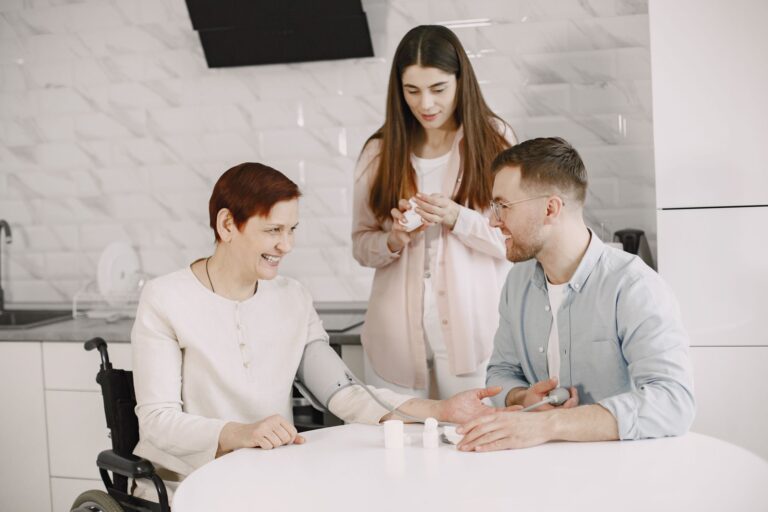
Respond to word-finding trouble after hospital discharge by pausing, speaking slowly, and offering simple choices or gestures instead of pressing for the missing word. Word-finding trouble means the person knows what to say but cannot pull up the right word, so you accept descriptions, pointing, or yes-or-no answers. Hospital noise, broken sleep, and routine changes can leave thinking foggy. The next weeks call for short, calm exchanges plus close watch for new medical problems.
Medical information disclaimer: This article is for general educational purposes only and does not provide medical advice, diagnosis, or treatment. Always consult a physician or other qualified health professional about symptoms, medications, tests, or treatment decisions.
Table of Contents
- Why hospital discharge makes words harder
- How do you start a calm exchange?
- What helps when the word will not come?
- When should you call the care team?
Why hospital discharge makes words harder
Coming home does not instantly restore clear thinking. Expect slower answers and more wrong words for a while. The South Warwickshire NHS Foundation Trust links post-hospital confusion to unfamiliar surroundings, disrupted routine, sleep loss, pain, dehydration, infection, and medication changes carer advice on hospital effects.
Watch for delirium, which is sudden confusion that develops over hours to days. It is very common in hospitalized older adults and people with dementia. It can signal infection, dehydration, constipation, pain, or medication effects needing prompt assessment, according to the East Suffolk and North Essex NHS Foundation Trust delirium guidance leaflet.
How do you start a calm exchange?
The Alzheimer's Association explains that dementia impairs word-finding, comprehension, and train of thought, so people may use wrong words, repeat questions, or use gestures daily-care communication guidance. Expect these patterns to stand out after discharge. Patience works better than pressure. Get attention first.
Say the person's name, make eye contact, and approach from the front. Then allow extra time for a reply without rushing. Do not argue, correct every mistake, or test memory with quiz questions. Lower noise and distractions before you start. Keep your tone, face, and touch calm and steady.
What helps when the word will not come?
Speak slowly and clearly in short sentences with one idea each. Ask one question at a time and wait. Offer a yes-or-no question or two clear choices, such as tea or water.
When the word is missing, invite another route to the meaning. Ask the person to describe it, point, gesture, or draw. Accept the first workable answer and move on with care.
- Say juice or milk, not what do you want to drink
- Hold up glasses and ask, are these yours
- Point to a photo and ask, is this the bathroom
When should you call the care team?
Keep glasses, hearing aids, dentures, medication lists, and discharge instructions within reach. Restore meals, sleep, and daily routines as soon as you can. The U.S.
National Institute on Aging urges caregivers using this discharge routine to report worsening, fever, infection symptoms, or medication side effects at once hospital tips for dementia caregivers. Calm techniques help daily talk but do not treat delirium or bring back lost vocabulary. If word-finding stays poor or suddenly worsens after discharge, seek primary-care or urgent evaluation promptly. Keep the discharge papers and medication list where you can grab them for the call.
- sudden increase in confusion or new trouble staying awake
- fever or signs of infection
- new constipation, pain, or poor fluid intake
- possible medication side effect after a new or changed dose