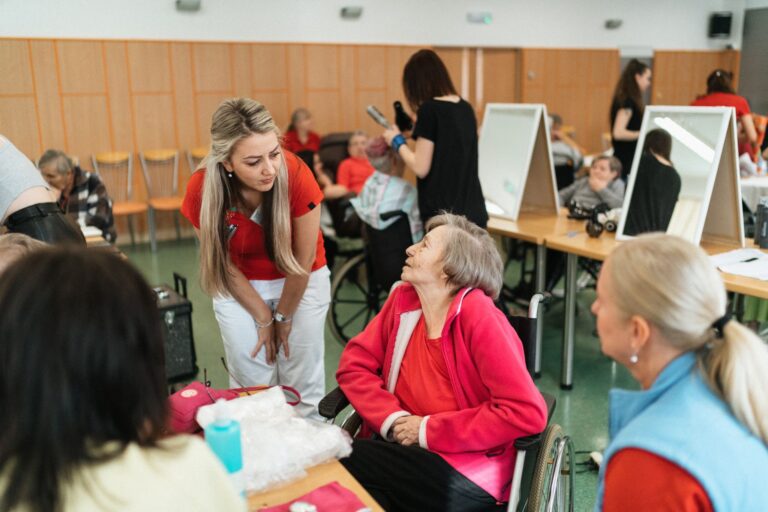
A support group designed for the person with dementia is appropriate soon after a mild cognitive impairment or dementia diagnosis in the early stage. It fits when symptoms are mild and the person remains mostly independent. These early-stage groups serve the person living with dementia directly. Members meet peers, share feelings about the diagnosis, and learn practical ways to live with changes.
Medical information disclaimer: This article is for general educational purposes only and does not provide medical advice, diagnosis, or treatment. Always consult a physician or other qualified health professional about symptoms, medications, tests, or treatment decisions.
Table of Contents
- Who is a good fit right now?
- What happens in these groups?
- What benefits does research show?
- When is a different support a better choice?
Who is a good fit right now?
The right time is early, when the person can follow conversation, express needs, and take part in a group discussion. The person also needs comfort talking about the diagnosis and symptoms openly with peers. Eligibility often includes a few clear checks, described by the Alzheimer's Association California Southland:.
- a physician diagnosis of Alzheimer's, another dementia, or a related disorder
- willingness to discuss the diagnosis and symptoms in a group
- ability to participate without major behavioral or safety needs
- interest in peer support, not only information or medical care
What happens in these groups?
Staff screen each person before enrollment to check fit, goals, and communication needs. According to the Alzheimer's Association Northern California, groups are led by trained facilitators and offered free in person, by phone or video, or online, often in time-limited series such as 6 months group options for people living with dementia.
Meetings focus on peer support, coping ideas, and adjusting to early changes. According to the Alzheimer's Association Minnesota-North Dakota, these person-with-dementia groups are separate from caregiver groups, with many chapters running a concurrent care-partner group in another room early-stage support information.
What benefits does research show?
In a randomized trial of a 10-session early-stage Memory Club, reported by Logsdon and colleagues, participants rated being with supportive peers, expressing feelings about dementia, and feeling less isolated as the greatest benefits Memory Club trial results. The format gave people language for their experience and normal contact with others facing the same diagnosis.
A systematic review by Cheston and colleagues found one trial with 136 participants showing early-stage memory-loss support groups improved depression and quality of life for people with dementia. Benefits were tied to peer understanding and active participation, not to passive attendance.
When is a different support a better choice?
Talk-based early-stage groups can become a poor fit as dementia moves into moderate or severe stages. Warning signs include major trouble following conversation, strong distress in groups, disruptive behavior, wandering, or safety needs that require one-to-one help.
At that point, individualized support or caregiver-focused help is usually more useful, according to the Alzheimer's Association Support Group Facilitator Guidebook Alzheimer's Association facilitator guidebook. UK NICE guidance also points people with mild-to-moderate dementia toward structured group cognitive stimulation therapy and group reminiscence therapy, which have a set activity plan and leader. Ask the local chapter which current group matches present language, behavior, and care needs.