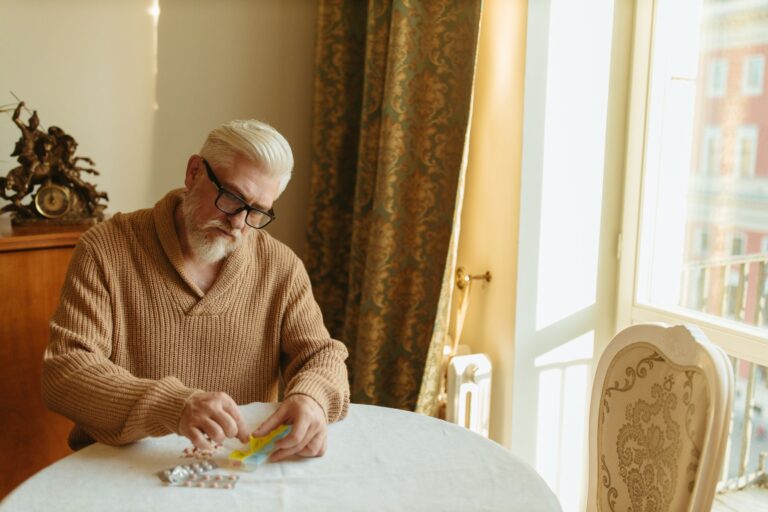
Offer no-cook food on any day when tiredness keeps a person with dementia from starting a meal or stopping partway through. On those days, offer five to six small meals and snacks through the day instead of three large meals. A low-energy day means fatigue, low appetite, or low focus makes a full cooked meal too much effort. The goal is less cooking and less eating effort at each sitting.
Medical information disclaimer: This article is for general educational purposes only and does not provide medical advice, diagnosis, or treatment. Always consult a physician or other qualified health professional about symptoms, medications, tests, or treatment decisions.
Table of Contents
- When is it time to skip cooking?
- How often should food be offered?
- Which no-cook foods work best?
- How should you serve it?
- What drinks and safety checks matter?
When is it time to skip cooking?
Switch to no-cook options when the person delays coming to the table, eats very little, or quits early. The Alzheimer's Society notes tiredness can cause a person with dementia not to start a meal or to give up partway through, so a low-energy day calls for easy options rather than a full cooked meal, as explained in the Alzheimer's Society guide to appetite and dementia.
Use the same switch when cooking itself would delay eating. A ready sandwich, cut fruit, or cheese and crackers gets food in hand faster than waiting for a hot meal.
How often should food be offered?
Offer food five to six times across the day on low-energy days. The Rotherham Doncaster and South Humber NHS Foundation Trust advises five to six smaller meals and snacks through the day instead of three large meals when appetite or energy is low, detailed in the Trust nutrition-in-dementia leaflet.
Space the offers morning, midday, afternoon, evening, and bedtime. The Family Caregiver Alliance also advises smaller, more frequent meals plus between-meal finger foods when large or traditional meals are refused.
Which no-cook foods work best?
Choose bite-sized finger foods that need no utensils. The Alzheimer's Association lists chicken nuggets, fish sticks, tuna sandwiches, orange segments, and steamed broccoli or cauliflower pieces as easy pick-up foods.
For a true no-cook day, lean on the ready-to-eat choices from that group: Keep pieces small and soft. Cut sandwiches, fruit, and vegetables into bite-size parts that can be held in one hand.
- tuna sandwich quarters, cheese cubes, and cut fruit
- orange segments and soft cut vegetables
- yogurt, applesauce, and gelatin cups for extra fluid
How should you serve it?
Serve one food at a time. The National Institute on Aging advises offering one food at a time cut into small pieces and substituting finger foods when utensils become confusing.
Put only a few pieces on the plate. Refill quietly if the person keeps eating, and let them eat with fingers when forks cause pauses.
What drinks and safety checks matter?
Pair every meal and snack with a drink. Banner Health advises pairing food with drinks and using water-rich foods such as fruit, vegetables, yogurt, applesauce, and gelatin, because older adults feel thirst less and dehydration worsens confusion, as described in the Banner Health guide to dementia and dehydration. Watch swallowing in middle and late stages.
The Alzheimer's Association warns swallowing problems can cause choking and weight loss. Serve soft foods in bite-size cuts. Avoid hard items like raw carrots, nuts, and popcorn, grind food when needed, and alert the doctor about coughing or choking.