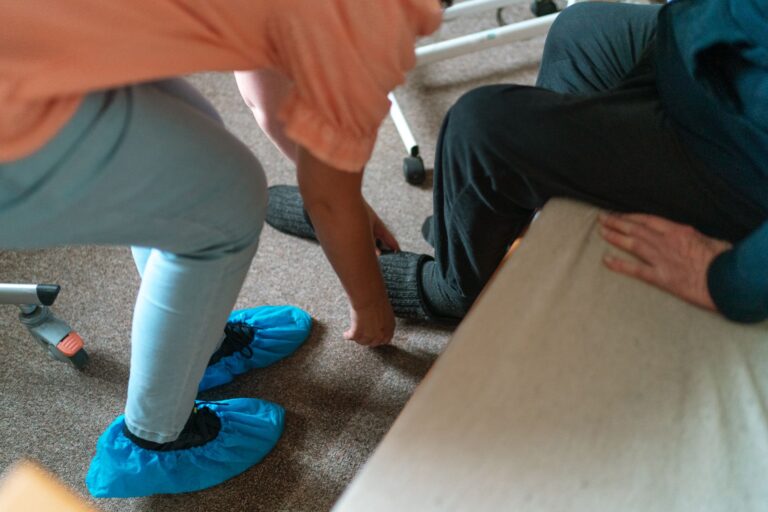
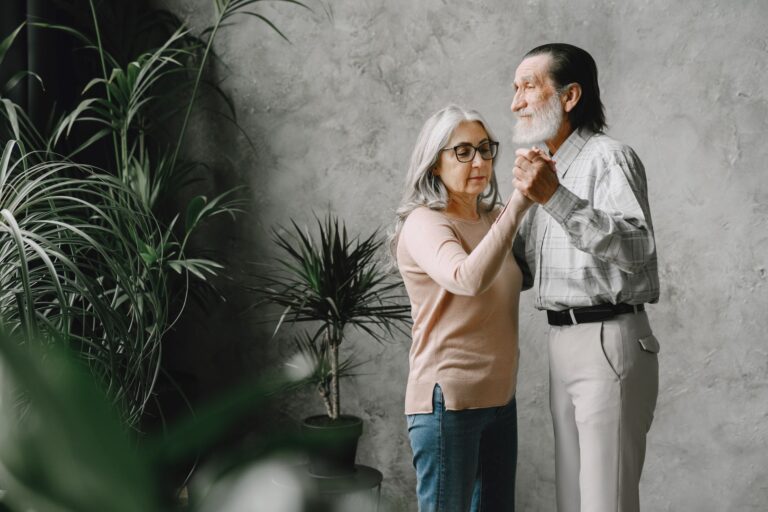
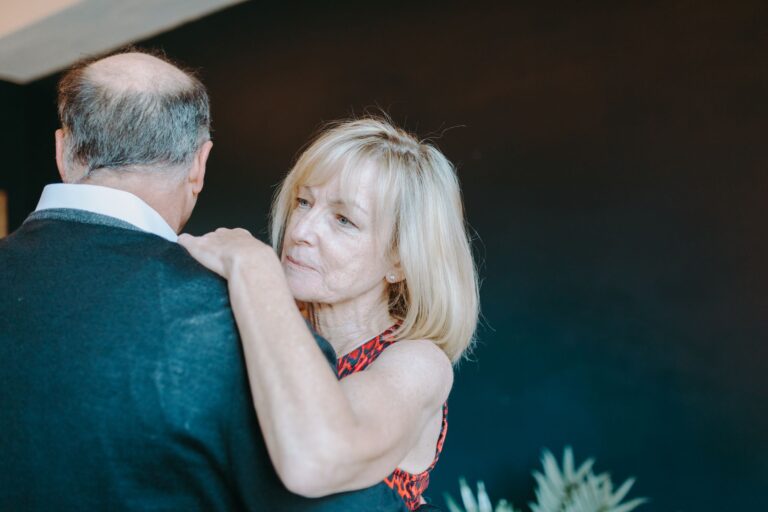
Offer dance during the early and middle stages, in calm daytime periods when the person is alert and settled. Aim for about twice a week for around 30 minutes, and shorten or rest as needed.
Middle-stage dementia means memory, judgment, and daily tasks need more help, and restlessness often rises. Dance fits here because it pairs familiar music with simple movement and social contact. Short, repeated sessions keep it familiar without causing fatigue.
Medical information disclaimer: This article is for general educational purposes only and does not provide medical advice, diagnosis, or treatment. Always consult a physician or other qualified health professional about symptoms, medications, tests, or treatment decisions.
Table of Contents
Why dance suits this stage
The Alzheimer's Association says music may reduce agitation and improve behavioral issues common in middle-stage dementia, while supporting self-expression and engagement, described in the Alzheimer's Association guidance on art and music. Movement adds a physical outlet to that engagement. It gives the person something to do with others, not just watch.
The Alzheimer's Foundation of America advises encouraging movement and light dance to enjoyed music during early and middle stages for joy and comfort, noted in the Alzheimer's Foundation of America guide to joy and comfort. Use songs the person knows from younger years. Clapping, swaying, stepping in place, or chair dancing all count.
How often to offer it
Twice weekly is a practical middle-stage rhythm. A care-home program used 30-minute dance sessions twice weekly for 12 weeks for residents with mild-to-moderate dementia, detailed in the International Psychogeriatrics report on the DANCIN program. That pace allows recovery between sessions. It also builds routine without pressure to perform.
Treat 30 minutes as a limit, not a goal. Start with one or two songs, then pause. Offer more only when the person smiles, moves freely, and wants to continue. Skip the session when illness, pain, poor sleep, or distress makes movement unwelcome.
When in the day to dance
Choose a calm, alert window, often mid-morning or after an afternoon rest. Avoid late-day restlessness, mealtimes, and crowded or noisy periods.
Keep lighting bright, noise low, and the same spot each time. The Royal College of Nursing blog recommends daytime calm periods with familiar music, short adaptable sessions, clear space, sturdy support or seated options, and stopping for fatigue or distress, explained in the Royal College of Nursing blog on dancing and music therapy. Use that setup each time:.
- play two or three known songs before changing style
- clear cords, rugs, and clutter, with a chair or counter nearby
- offer seated dancing when balance is unsteady
- keep water close and shoes firm and closed-toe
What to watch and adjust
Watch the face, breathing, and posture more than the steps. Signs to pause include grimacing, pulling away, heavy breathing, sweating, or sudden quietness. Offer rest, water, and a choice to stop or switch to listening.
Match support to mobility. Stand beside the person for turns or weight shifts, not in front. Use touch only with permission, such as offered hands for a slow sway. End with a slower song, then sit and rest before moving to another activity.