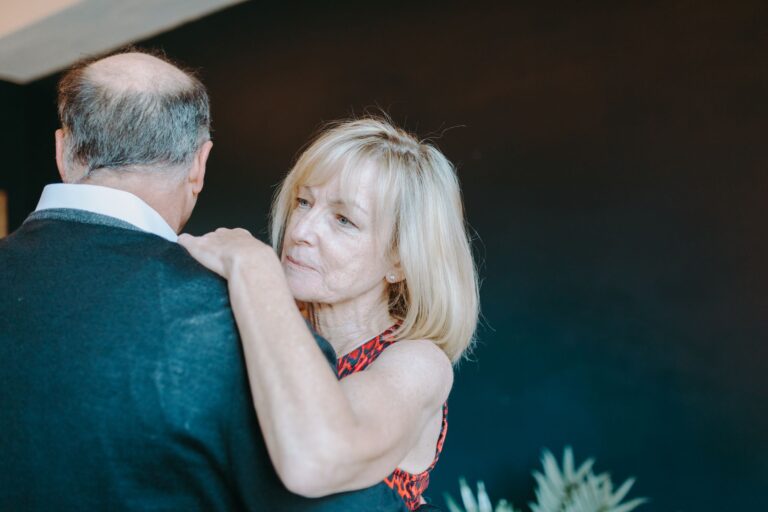
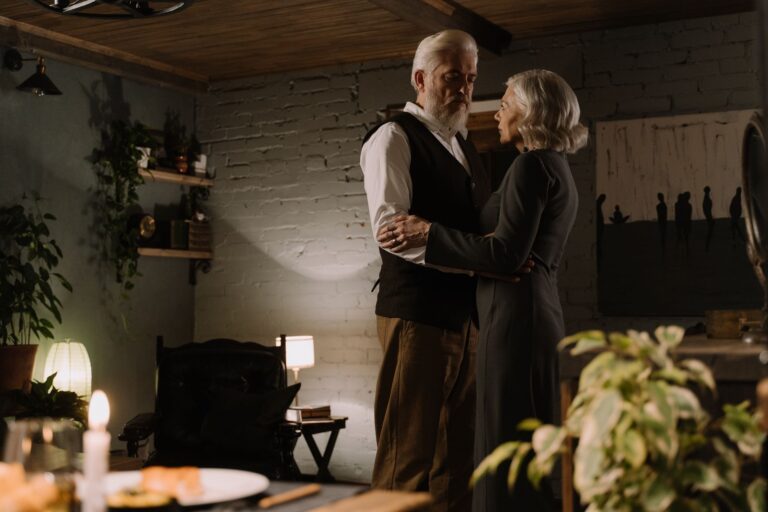
To adapt dancing for middle-stage dementia, play well-known songs and sing or dance together using short repeated steps. Offer a seated option, give only basic help to begin, and stay nearby in a cleared, well-lit space. Middle-stage dementia means memory, judgment, and daily tasks need substantial help, and agitation and behavioral issues are common. The Alzheimer's Association reports that studies find music may reduce agitation and improve those behaviors, according to its art and music guidance.
Medical information disclaimer: This article is for general educational purposes only and does not provide medical advice, diagnosis, or treatment. Always consult a physician or other qualified health professional about symptoms, medications, tests, or treatment decisions.
Table of Contents
- What music and moves work best?
- How do you keep it safe and comfortable?
- What does the evidence show?
- How should you respond during the dance?
What music and moves work best?
Start with songs the person knew in youth, not new releases or background playlists. The National Institute on Aging suggests playing well-known songs, talking about the music and singer, asking what the person was doing when the song was popular, and singing or dancing together, described in its adapting activities guidance. Keep the dance adult and familiar.
Use one or two repeated steps, such as side-together, gentle sway, clap on the beat, or marching in place. Model the step first, then invite the person to join, and keep instruction brief. For a simple session:.
- Clear chairs, cords, and rugs from a small dance area.
- Play one familiar song at moderate volume.
- Show the step, offer a hand or a seated version, and dance together.
- Talk between songs about the singer or memory the song brings.
How do you keep it safe and comfortable?
Choose daytime, good lighting, firm footwear, and a sturdy chair or counter within reach. Stay close enough to steady balance, allow seated dancing at any point, and stop for water and rest. The CDC advises leg-strength and balance exercise plus removing clutter and trip hazards, noted in its older adult falls fact sheet.
Keep projects adult-level rather than childlike, build in conversation and encouragement, help the person begin, and give only basic assistance, a principle the Alzheimer's Association applies to middle- to late-stage art and music activities. Treat refusal, fatigue, wincing, or increased restlessness as a cue to pause. A shorter calm dance helps more than a longer strained one.
What does the evidence show?
A 12-week adapted line-dance pilot for Alzheimer's disease and related dementias reported attendance at or above 90 percent, averaging 70 minutes danced per week, with no loss of balance or falls, and eased agitation. Reporters noted that pilot was very small and brief, so researchers could not reach statistical significance despite mood improvement even during rest breaks.
A larger evidence base is more encouraging for earlier stages. A 2023 systematic review in Ageing Research Reviews found dance movement interventions significantly improved global cognition, memory and balance and significantly decreased depression in mild cognitive impairment, Alzheimer's and dementia, according to its meta-analysis of eight randomized trials. A randomized trial of dance movement therapy in older adults with mild dementia also found significant decreases in depression, loneliness and negative mood plus improved daily functioning and diurnal cortisol slope.
How should you respond during the dance?
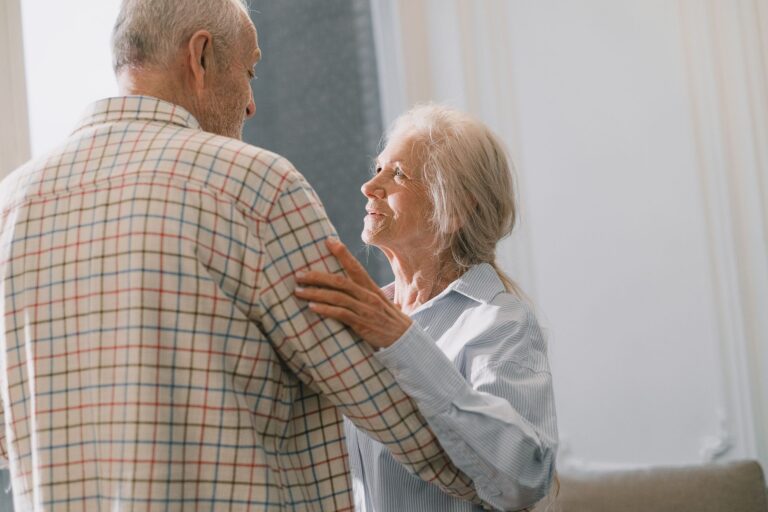
Join in rather than directing from the sideline. Hold rhythm together through hand tapping, shoulder sway, or slow box steps, then praise effort warmly.
Ask one concrete prompt at a time, such as what the singer reminds them of or where they first heard the tune. If agitation rises, lower volume, slow the tempo, switch to swaying, or take a seated rest with the music on. End while the mood is still good, note which songs and steps drew smiles or movement, and use those choices next time.