The answer is straightforward: yes, most herniated discs heal without surgery. Between 60 and 90 percent of patients experience significant symptom resolution within 6 to 12 weeks using conservative treatment approaches, according to research from Cleveland Clinic and other major medical centers. Consider the case of a 52-year-old accountant who woke up one morning unable to bend forward due to sciatica from a herniated disc in his lower back.
After six weeks of physical therapy, anti-inflammatory treatment, and gradual movement, his pain resolved completely—no surgery required. This article explores how herniated discs heal naturally, the timeline for recovery, the treatments that accelerate healing, and when surgery genuinely becomes necessary. Understanding these mechanisms can help patients make informed decisions and manage expectations during recovery.
Table of Contents
- How Do Herniated Discs Heal Naturally?
- Timeline for Recovery—What to Expect
- Non-Surgical Treatments That Accelerate Healing
- Comparing Conservative Treatment to Surgery—What’s the Difference?
- When Conservative Treatment Stalls—Red Flags for Intervention
- What Happens to the Disc After Healing
- Emerging Non-Surgical Approaches and Future Directions
- Conclusion
How Do Herniated Discs Heal Naturally?
Your body possesses a remarkable capacity to repair herniated discs on its own. When the inner nucleus of a disc pushes through the outer annulus, the body initiates a cascade of biological responses designed to resolve the problem. According to NIH research, this natural resorption process involves inflammation, which recruits immune cells called macrophages to infiltrate and break down the herniated disc material. Simultaneously, neovascularization occurs—new blood vessels form to supply oxygen and nutrients to the damaged area. The body also degrades the protein matrix of the herniated material and reabsorbs water from the disc, gradually shrinking it back toward the spinal canal.
Recent 2026 research shows that approximately 85 percent of herniated discs undergo significant resorption naturally within 8 to 12 weeks. The inflammatory phase, while uncomfortable, is essential to healing. It’s tempting to suppress inflammation entirely with ice and rest, but controlled inflammation actually facilitates the cleanup of damaged tissue. The macrophages act like cellular janitors, clearing away the debris. Over time, the herniated nucleus becomes progressively smaller and less irritating to the surrounding nerve roots, reducing pain even before the disc has fully resorbed. This is why some patients experience marked improvement within just 10 days of an acute sciatica episode—the inflammatory response is already working, and as swelling around the nerve decreases, pain subsides rapidly.

Timeline for Recovery—What to Expect
Most people with herniated discs see meaningful progress on a specific timeline. Approximately 75 percent of patients experience significant improvement within the first month of conservative treatment. By the 4 to 6 week mark, most people report substantial reduction in pain and return to near-normal function. The full healing process typically takes 4 to 12 weeks, with about 90 percent of patients achieving complete or near-complete recovery within six months. This timeline applies to most cases of disc herniation causing radiculopathy (nerve pain), whether the herniation is in the neck, mid-back, or lower back.
However, this timeline comes with an important caveat: approximately 30 percent of patients report intermittent pain even one year after the acute episode resolves, even without surgery. This persistence occurs because while the herniated disc material shrinks substantially through resorption, the annular tear—the actual rupture in the outer disc wall—often remains. The tear can be a source of low-grade pain or discomfort during certain activities. This doesn’t mean healing has failed; it means the body has stabilized the injury, but some structural damage persists. many people live comfortably with this residual damage, managing any occasional flare-ups through exercise and activity modification.
Non-Surgical Treatments That Accelerate Healing
While the body heals herniated discs naturally over time, specific medical interventions can significantly speed recovery. Corticosteroid injections directly into the area around the nerve root provide substantial pain relief in 40 to 80 percent of patients, with roughly half experiencing 50 percent or greater reduction in pain. These injections don’t heal the disc itself; rather, they reduce inflammation around the nerve, allowing the underlying resorption process to proceed with less pain interference. A 47-year-old teacher with severe leg pain from a herniated lumbar disc received two corticosteroid injections spaced two weeks apart and returned to full teaching duties within five weeks, avoiding the surgery her surgeon had recommended. Physical therapy and stabilization exercises are equally important and supported by strong evidence.
These aren’t just stretching routines—they involve progressive strengthening of the core muscles that support the spine, improving posture, and restoring normal movement patterns. Physical therapy helps prevent re-injury and reduces the likelihood of future herniation from the same disc. The combination of corticosteroid injections plus physical therapy typically outperforms either treatment alone. Conservative care also includes oral anti-inflammatory medications, activity modification, and sometimes muscle relaxers during the acute phase. The key advantage of non-surgical treatment is that it works with your body’s natural healing mechanisms rather than bypassing them.
Comparing Conservative Treatment to Surgery—What’s the Difference?
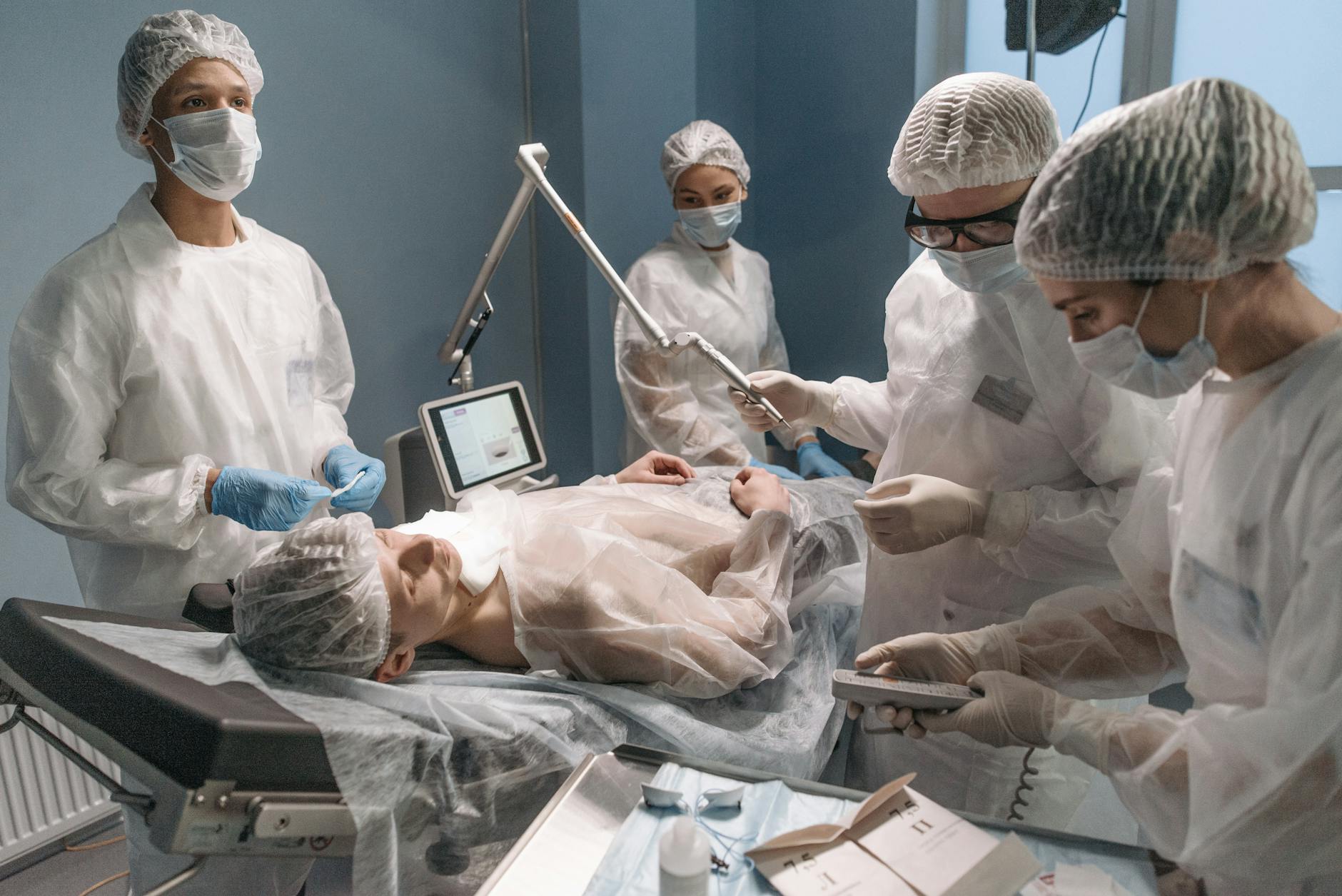
When considering treatment options, the outcomes between conservative care and surgery are surprisingly similar in most cases. Both approaches result in symptom resolution for the majority of patients, but they differ in timeline and risk profile. Surgery—typically a microdiscectomy, where the protruding disc material is directly removed—offers faster pain relief, often within days to weeks. Conservative treatment takes 4 to 12 weeks or longer. However, surgery carries inherent risks: infection, blood clots, anesthesia complications, and in rare cases, damage to nerve roots or spinal structures.
The financial cost also differs significantly, with surgery typically exceeding $50,000 even with insurance. Most spine specialists recommend beginning with conservative treatment precisely because the success rates are so high. If conservative treatment fails after 6 to 12 weeks, or if nerve damage is progressing (indicated by increasing weakness or loss of bowel/bladder control), then surgery becomes a reasonable next step. The tradeoff is patience versus certainty: surgery provides faster certainty of pain relief, while conservative treatment requires patience but avoids surgical risks entirely. For the majority of people, conservative treatment proves sufficient and safer.
When Conservative Treatment Stalls—Red Flags for Intervention
Most herniated discs respond well to conservative treatment, but not all do. If pain hasn’t improved significantly within 6 weeks, or if it’s worsening despite consistent treatment, further evaluation is warranted. Red flags that suggest surgery might be necessary include progressive neurological deficits (increasing weakness in the leg or foot), loss of bowel or bladder control, or cauda equina syndrome—a medical emergency where the nerve bundle at the base of the spinal cord is severely compressed. These conditions require urgent intervention because nerve damage can become permanent if left untreated. Another limitation of conservative treatment is that it doesn’t address all types of disc herniations equally.
Large, centrally-located herniations that directly compress multiple nerve roots may cause more severe and persistent symptoms than smaller herniations. Some patients experience pain so severe during the healing window that conservative treatment becomes psychologically intolerable, even though healing is occurring. In these cases, epidural steroid injections provide faster symptom relief than systemic medications. The lesson is that while most herniated discs heal without surgery, individual variation exists. Your spine specialist should monitor your progress and be willing to adjust the treatment plan if conservative approaches plateau or if dangerous patterns emerge.

What Happens to the Disc After Healing
Understanding what remains after non-surgical healing helps manage long-term expectations. As mentioned, the herniated disc material resorbs substantially, but the annular tear in the outer disc wall often persists. This means the disc is structurally weaker than before the herniation and at slightly increased risk of re-herniation in the future. However, this risk can be substantially reduced through ongoing core strengthening and proper body mechanics.
The healed disc also tends to be somewhat dehydrated, which can make it slightly less flexible—though most people don’t notice this functionally. The good news is that a healed disc, even with residual damage, is stable enough for normal activities in the vast majority of cases. People return to work, exercise, sports, and all regular activities without complications. The 30 percent who experience intermittent mild pain often find it manageable through periodic physical therapy “tune-ups” or activity modification. Imaging scans months after healing often still show evidence of the old herniation, but this radiological finding doesn’t correlate with pain or function—many asymptomatic people have herniated discs on MRI that never cause any problems.
Emerging Non-Surgical Approaches and Future Directions
The future of herniated disc treatment increasingly emphasizes biological regeneration rather than just removing or resorbing damaged material. Platelet-rich plasma (PRP) injections and stem cell therapies show promise in early research, potentially stimulating the body’s healing response beyond what conservative treatment alone achieves. These approaches remain largely experimental and not yet standard of care, but early results suggest they may accelerate healing or improve outcomes in difficult cases.
Other emerging techniques include enhanced physical therapy protocols using real-time ultrasound guidance and advanced imaging to ensure exercises target the most vulnerable spinal segments. Personalized medicine is also entering spine care. Genetic testing may soon help identify which patients are likely to experience spontaneous healing versus those who’ll need intervention, allowing for more targeted treatment planning from the outset. In the meantime, conservative treatment with proven methods—physical therapy, anti-inflammatory medication, and if needed, corticosteroid injections—remains the evidence-based standard that helps 60 to 90 percent of patients avoid surgery entirely.
Conclusion
Herniated discs heal without surgery in the vast majority of cases. The body’s natural resorption process, supported by conservative treatments like physical therapy and anti-inflammatory medication, resolves symptoms in 60 to 90 percent of patients within 6 to 12 weeks. Understanding this natural healing capacity can reduce anxiety and help patients commit to conservative treatment rather than rushing to surgery out of fear.
Most people recover fully and return to all desired activities, though some experience occasional residual discomfort as a trade-off for avoiding surgical risks. If you’re dealing with a herniated disc, the next step is consultation with a spine specialist or physiatrist who can assess your specific situation and create a tailored treatment plan. Monitor your progress, adhere to prescribed physical therapy, and report any worsening neurological symptoms immediately. In most cases, time, movement, and conservative treatment align to produce a full recovery—and your spine’s natural healing mechanisms deserve the opportunity to work.