
The most effective cushions for Alzheimer’s patients with sleep apnea are cervical pillows—which feature an indent to cradle the head and open the upper airway—and bed wedge cushions designed to elevate the upper body and encourage side-sleeping. These pillows support proper positioning that can reduce airway narrowing during sleep. However, it’s critical to understand that while specialized pillows provide positioning support, CPAP (continuous positive airway pressure) therapy remains the clinical standard treatment for moderate-to-severe sleep apnea.
Pillows are a helpful supplement to overall care, not a replacement for medical treatment. This matters because the connection between sleep apnea and Alzheimer’s disease is significant and often overlooked. Patients with sleep apnea face a 28% increased risk of developing Alzheimer’s disease, making sleep quality a central concern for those living with cognitive decline. This article explores the best pillow options for managing sleep apnea in Alzheimer’s patients, explains why positioning matters, and clarifies how pillows fit into a comprehensive treatment approach.
Table of Contents
- Understanding Sleep Apnea as a Risk Factor for Alzheimer’s Disease
- Pillow Types Proven Effective for Sleep Apnea Management
- Why Positioning Matters for Alzheimer’s Patients With Sleep Apnea
- Comparing Pillow Options for Different Situations
- Critical Limitations: Pillows Cannot Replace CPAP Therapy
- Integrating Pillows Into Comprehensive Sleep Apnea Care
- Creating a Sleep Environment Designed for Dementia and Sleep Apnea
- Conclusion
Understanding Sleep Apnea as a Risk Factor for Alzheimer’s Disease
Sleep apnea is far more prevalent than most people realize. Between 10% of US adults and 30-80% of elderly individuals suffer from obstructive sleep apnea, yet up to 80-90% of cases go undiagnosed. For Alzheimer’s patients, this matters tremendously because research has found that sleep apnea is a frequent comorbidity—meaning many people with cognitive decline also have untreated sleep apnea. The connection between these two conditions operates through specific biological mechanisms.
Intermittent hypoxia (repeated drops in blood oxygen) and sleep fragmentation caused by sleep apnea trigger cascading problems in brain health. These disruptions appear to accelerate Alzheimer’s pathophysiology, contributing to cognitive decline. When an Alzheimer’s patient also has sleep apnea, they’re experiencing double damage: cognitive deterioration from dementia plus additional harm from repeated nightly oxygen deprivation. This is why sleep apnea screening and management become essential parts of dementia care, not optional extras.
Pillow Types Proven Effective for Sleep Apnea Management
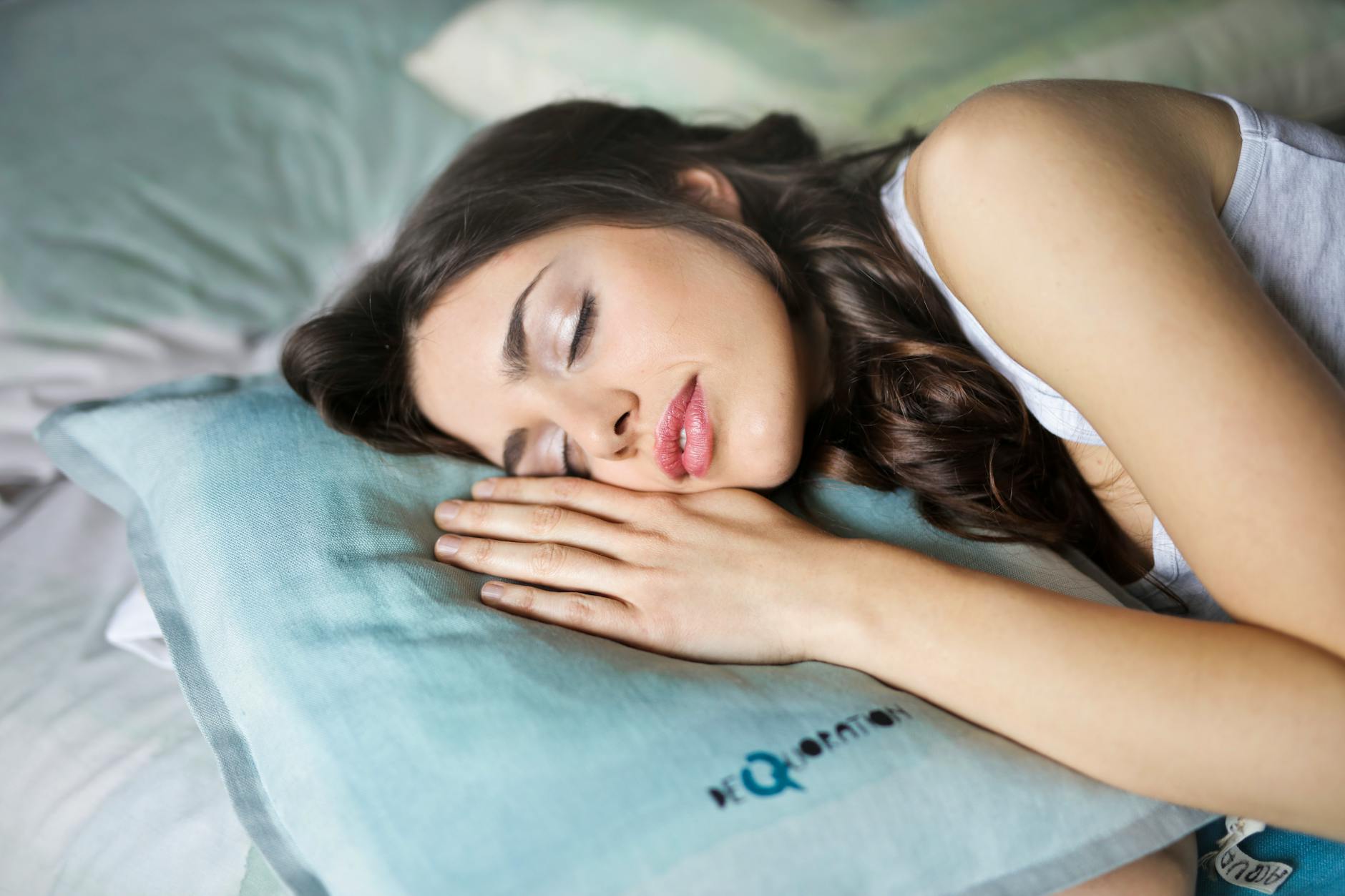
Several pillow designs have been specifically developed or studied for sleep apnea support. Cervical pillows are ergonomically designed for back sleepers, featuring a contoured indent that cradles the head while supporting proper neck alignment. By maintaining this alignment, cervical pillows help keep the upper airway more open, reducing the narrowing that triggers apnea episodes. these work best for patients who naturally sleep on their backs or can be encouraged to do so.
Bed wedge cushions offer a different approach through elevation and positioning support. Products like the BackMax Body Wedge feature three zippered wedges and advertise “zero-gravity position” support, allowing caregivers to customize elevation angles. The Helix Wedge Pillow uses a triangular shape to elevate the upper body, limiting airway narrowing in back sleepers. For Alzheimer’s patients, the advantage of wedges over standard pillows is that they can be secured more easily and are harder to dislodge during restless sleep. Memory foam pillows have also shown promise—a preliminary randomized study identified memory foam as an intervention that can benefit sleep apnea patients, though more research continues in this area.
Why Positioning Matters for Alzheimer’s Patients With Sleep Apnea
Position during sleep directly affects airway patency. When lying flat on the back, the tongue and soft tissues can collapse backward into the airway, blocking airflow and triggering apnea events. Side-sleeping positioning is preferred for sleep apnea management because gravity works differently when the body is on its side—tissues are less likely to collapse inward. For Alzheimer’s patients, this positioning preference becomes particularly important because cognitive decline can make it difficult for patients to consciously adjust their position or remember not to roll onto their back during the night.
This is where pillows and wedges provide practical value. A cervical pillow designed for back sleepers still improves breathing compared to a flat, unsupported position. Wedge pillows physically encourage the side-sleeping position and maintain elevation even if a patient shifts during sleep. For dementia care, the real-world benefit is that these tools reduce the burden on caregivers—instead of needing to reposition an Alzheimer’s patient every time they roll onto their back, a well-designed pillow or wedge provides passive support throughout the night. The patient remains comfortable while their airway stays more open.

Comparing Pillow Options for Different Situations
Choosing between cervical pillows, wedges, and memory foam depends on the specific needs of your situation. Cervical pillows work well for Alzheimer’s patients who are independent sleepers or whose caregivers can occasionally reposition them—they’re less expensive than wedges and take up minimal bed space. They’re ideal if your loved one tends to stay in one position and doesn’t need active repositioning support. However, they require more conscious positioning from the patient or frequent caregiver adjustment.
Bed wedge cushions are better suited for patients with moderate-to-advanced dementia who move unpredictably during sleep or need maximum passive support. The BackMax Body Wedge with adjustable wedges allows caregivers to fine-tune elevation and positioning without manually moving the patient repeatedly. The Helix Wedge Pillow offers simpler setup but less customization. Memory foam pillows occupy a middle ground—more affordable than wedges, more effective than basic cervical pillows, though they provide less structural elevation. For severe cases where patient mobility and caregiver burden are concerns, a wedge system often delivers the best risk-benefit ratio, even at higher cost.
Critical Limitations: Pillows Cannot Replace CPAP Therapy
This is the most important section to understand. While specialized pillows support proper positioning and can modestly reduce apnea severity, they are not a substitute for CPAP therapy. For moderate-to-severe sleep apnea, CPAP is the evidence-based clinical standard. Studies demonstrate that CPAP therapy can slow cognitive deterioration in Alzheimer’s patients, directly addressing the neurological damage caused by sleep apnea. A pillow alone cannot deliver this level of protection.
The limitation applies specifically to treatment efficacy. If an Alzheimer’s patient has been diagnosed with sleep apnea, the first medical recommendation should always be CPAP therapy, not pillows. Pillows serve as a helpful complement—improving comfort, supporting positioning, and making CPAP use easier—but they should never delay or replace diagnosis and treatment with PAP (positive airway pressure) devices. For patients who struggle with CPAP compliance due to discomfort or claustrophobia, pillows and wedges can improve the overall sleep environment and may help them tolerate CPAP use longer. But the device itself remains medically necessary.

Integrating Pillows Into Comprehensive Sleep Apnea Care
For Alzheimer’s patients already using CPAP, specialized pillows and wedges become genuinely valuable. CPAP machines require a specific mask-to-face position to work effectively, and certain pillows support this positioning better than others. A cervical pillow or wedge can maintain the angle needed for mask seal while the patient sleeps, improving therapy compliance and effectiveness. Caregivers report that comfortable positioning leads to longer nightly CPAP use, which directly translates to better brain protection.
A practical example: An 78-year-old with early-stage Alzheimer’s and diagnosed sleep apnea begins CPAP therapy but struggles with discomfort and positioning. The addition of a Helix Wedge Pillow elevates the head and neck to the angle her CPAP prescription requires, reducing mask leakage and pressure points. She goes from using CPAP for 4 hours per night to 6-7 hours. Her cognitive assessment six months later shows stabilization rather than decline—not a cure, but a meaningful preservation of function achieved by pairing clinical treatment with supportive positioning. This scenario shows how pillows enable better outcomes within a medical framework, rather than replacing that framework.
Creating a Sleep Environment Designed for Dementia and Sleep Apnea
Beyond pillows alone, the broader sleep environment affects both sleep apnea severity and overall cognitive health in Alzheimer’s patients. Bedroom temperature, ambient noise, and light exposure all influence sleep quality. A well-chosen pillow or wedge is one tool within this larger context. Temperature control—keeping the bedroom cool (around 65-68°F)—can improve sleep consolidation and reduce arousals that worsen apnea symptoms.
Reducing nighttime noise and light disturbances becomes especially important for dementia patients, who are more sensitive to environmental disruption. Looking forward, research on sleep apnea and Alzheimer’s continues to evolve. The 2024 clinical literature increasingly recognizes PAP treatment as a preventive intervention for cognitive decline, not just a symptom management tool. For caregivers and families today, this underscores why comprehensive sleep apnea management—including proper pillows, CPAP therapy, and environmental optimization—deserves the same priority as other aspects of dementia care.
Conclusion
The best cushion for an Alzheimer’s patient with sleep apnea is one that supports proper positioning: a cervical pillow for independent sleepers, or a bed wedge system like the BackMax or Helix Wedge for patients requiring more passive positioning support. These pillows reduce airway narrowing and make sleep more comfortable. However, this choice should never overshadow the clinical reality that CPAP therapy is the proven, evidence-based treatment for sleep apnea.
Pillows are a valuable supplement—improving positioning, supporting CPAP use, and enhancing overall sleep quality—but they cannot replace medical treatment. If you’re caring for someone with Alzheimer’s and suspect sleep apnea, start with medical evaluation and CPAP consideration. Once treatment is underway, add a supportive pillow that improves comfort and positioning. This integrated approach—clinical treatment plus comfortable positioning—offers the best protection for both sleep quality and cognitive health.


