Best chair sits at the center of this dementia and brain health question.
The best chair cushion for Alzheimer’s patients during disaster preparedness combines pressure-relief technology with practical features designed for emergency conditions. A dual-layer approach works best: choose a cushion with cool-gel or alternating air-system technology to prevent pressure ulcers during extended sitting periods—a critical concern when disasters force prolonged shelter-in-place situations—paired with wedge or pommel positioning support to maintain stability and prevent the forward sliding that cognitive decline makes it impossible for the patient to self-correct. However, the most sophisticated cushion means nothing if you can’t transport it, maintain it, or use it during an actual emergency, which is why removable, machine-washable covers and compact design matter as much as the medical features.
This article examines the specific cushion features that serve Alzheimer’s patients both in daily life and when disaster strikes. We’ll explore pressure-relief materials, positioning systems, fabric requirements for incontinence management, portability concerns, and how to integrate proper cushioning into a realistic emergency preparedness plan. Understanding these elements helps caregivers make decisions that protect both comfort and dignity during the most stressful situations.
Table of Contents
- What Pressure-Relief Cushions Do for Alzheimer’s Patients
- Positioning and Stability for Cognitive Decline
- Breathable Fabrics and Moisture Management
- Removable Covers and Maintenance in Crisis
- Emergency Kit Integration and Accessibility
- Creating a Comprehensive Disaster Plan Accounting for Special Needs
- Building Long-Term Disaster Resilience for Dementia Care
- Conclusion
What Pressure-Relief Cushions Do for Alzheimer’s Patients
Cool-gel and alternating air-system cushions are specifically designed to lessen pressure on sitting points and reduce the risk of pressure ulcers and sores—a serious concern for people with Alzheimer’s who may sit for extended periods without recognizing or adjusting uncomfortable positions. During a disaster scenario, when normal routines collapse and patients might spend many hours in temporary shelters or unfamiliar locations, these pressure-relief systems become more critical, not less. A person in early-to-mid-stage Alzheimer’s might normally get up and move around when restless, but confusion and anxiety during a crisis often result in immobility; adequate cushioning prevents the skin breakdown that can quickly become infected and dangerous.
The distinction between passive gel cushions and active alternating air systems matters in emergency contexts. Gel cushions are static—they maintain their shape regardless of power availability, making them more reliable during a disaster when electricity may be unavailable. Alternating air systems provide superior pressure distribution by cycling pressure zones, but they require power to function, which creates a practical limitation during power outages. For disaster preparedness, a quality gel cushion offers the better emergency option, though some caregivers choose to have both available and prioritize based on the actual emergency scenario unfolding.

Positioning and Stability for Cognitive Decline
Wedge and pommel cushions serve a different but equally important function: they establish stable seating, improve pelvic positioning, prevent forward sliding, and reduce slouching. For Alzheimer’s patients, these positional benefits matter profoundly because people with advancing cognitive decline cannot self-correct. If someone begins to slide forward in a chair, a person with intact cognition notices the discomfort and shifts position. An Alzheimer’s patient may not recognize the problem until poor positioning has caused pain, skin irritation, or postural strain. Wedge cushions, placed under the back half of a standard cushion, tilt the pelvis slightly forward and backward motion becomes mechanically impossible; pommel cushions feature a raised center ridge that prevents side-to-side sliding while supporting the perineal area.
In a disaster setting, poor positioning becomes even more consequential because stress and confusion already elevate a patient’s anxiety and agitation. Proper positioning reduces discomfort-driven behavioral disturbances and helps the patient remain calmer during a crisis. However, wedge and pommel cushions add bulk and weight to emergency kits, which creates a real tradeoff. A standard gel cushion might weigh 2-3 pounds; a quality wedge system adds another 1-2 pounds. Caregivers preparing emergency kits must balance the medical benefit of positioning support against the practical reality of what they can transport or move quickly if evacuation becomes necessary.
Breathable Fabrics and Moisture Management
Breathable, vapor-permeable fabrics such as Dartex, combined with moisture-absorbing properties, significantly reduce pressure wound risk—a consideration that grows more critical in later-stage Alzheimer’s when incontinence becomes common. Moisture trapped against skin creates the perfect environment for pressure sores to develop and for bacterial infections to take hold. A high-quality dementia-care cushion uses these breathable materials specifically to wick moisture away from the skin surface while still providing comfort. In a disaster scenario where access to showers, clothing changes, and normal hygiene routines becomes impossible, moisture management through cushion fabric becomes a frontline defense against skin breakdown.
The reality of incontinence in advanced dementia means that any cushion chosen for disaster preparedness must be designed with this reality in mind, not as an afterthought. A cushion that feels premium in a showroom but lacks moisture-wicking properties will become a liability during an emergency—one that actively contributes to skin problems rather than preventing them. Choose cushions explicitly marketed for dementia care, as these are manufactured with incontinence management as a core feature, not an optional upgrade. Generic positioning cushions or orthopedic cushions designed for people recovering from surgery may have excellent pressure relief but lack the moisture-management engineering that Alzheimer’s care demands.
Removable Covers and Maintenance in Crisis
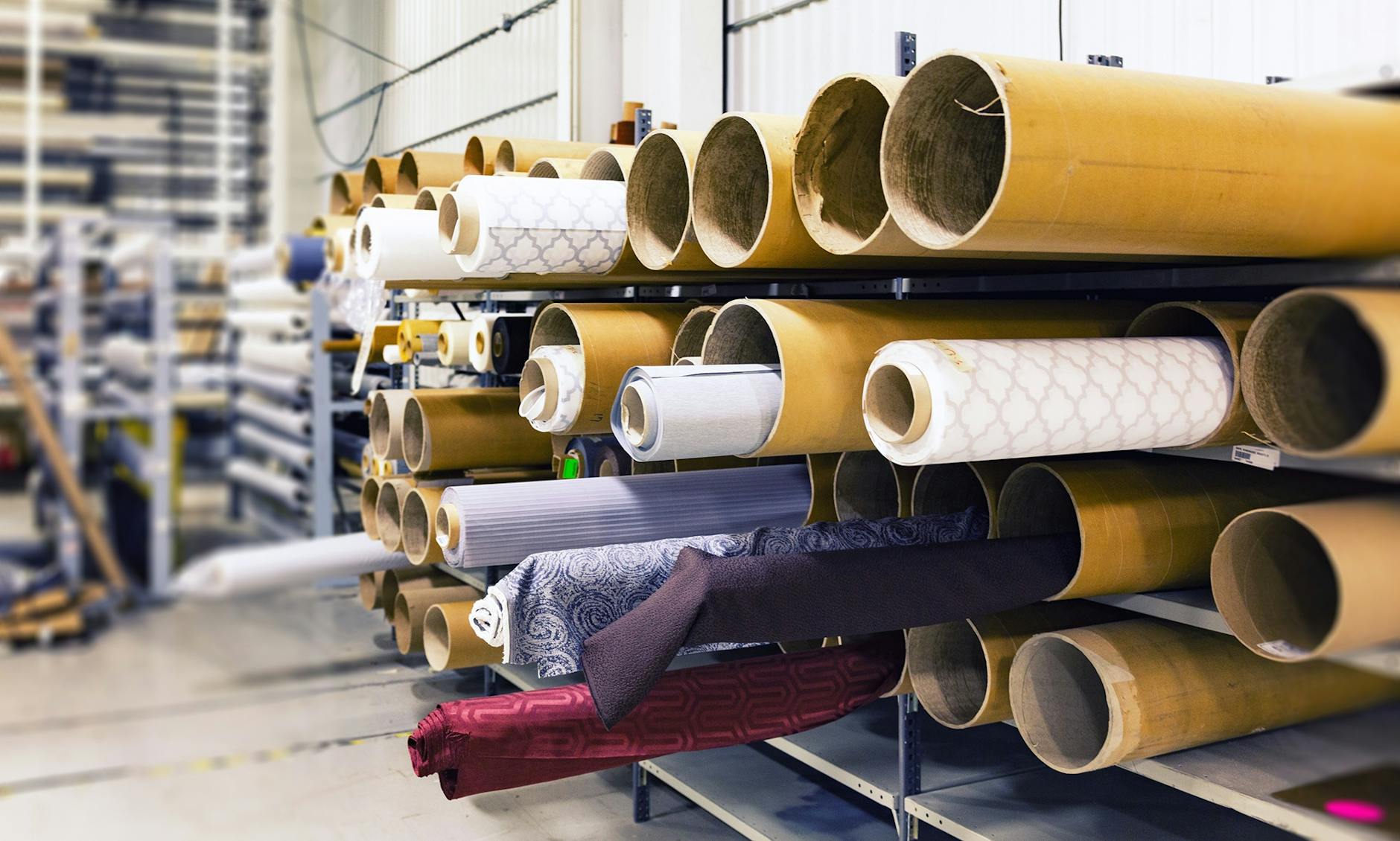
Removable, machine-washable cushion covers with zipped closures help maintain cleanliness in later-stage dementia when incontinence occurs—and in a disaster setting, where normal laundry routines disappear entirely, this feature becomes essential infrastructure rather than a convenience. When a cover has a zipped closure rather than a glued or stitched seal, you can remove it quickly for emergency cleaning without damaging the underlying cushion. In a shelter situation or temporary housing during disaster recovery, the ability to wash a cover by hand in a bathtub or bucket of water, then hang it to dry, can mean the difference between a usable cushion and a ruined one.
This maintenance feature also addresses a psychological element often overlooked in disaster planning: the dignity and self-respect of someone with advanced dementia. Incontinence accidents cause distress and embarrassment; maintaining clean, fresh-smelling surroundings as much as possible helps preserve some sense of normalcy and reduces the shame that can escalate behavioral problems. A caregiver in a crisis situation, already managing enormous stress, benefits enormously from a system that allows quick maintenance without requiring replacement supplies or specialized equipment. Before purchasing any cushion for an Alzheimer’s patient, inspect the cover construction and confirm that zipped removal is actually easy to execute—some manufacturers market “removable” covers that require significant effort to detach.
Emergency Kit Integration and Accessibility
Comfort items should be included in emergency kits, and for Alzheimer’s patients specifically, this means the cushion they’ve grown accustomed to using should be part of the disaster supplies, not an afterthought. The Alzheimer’s Association emphasizes that disasters significantly impact safety for Alzheimer’s patients, who may find emergencies distressing and confusing due to impairments in memory and reasoning. A familiar cushion—one the patient has sat on for months or years—provides a small anchor of continuity when everything else has become chaotic and unrecognizable. If your relative with Alzheimer’s sits in a specific chair at home, consider that specific cushion a critical supply item equivalent to medications or identification documents. However, portability creates a real limitation in certain disaster scenarios.
If evacuation must happen quickly—a wildfire approaching, a tornado warning, a flood rising—the cushion may need to be left behind. This is why smart disaster planning means having a backup cushion stored in your evacuation kit alongside documents, medications, and comfort items like favorite snacks or blankets. A second, slightly less familiar cushion beats having nothing if the primary one is inaccessible. Store this emergency cushion in a clearly labeled watertight container in an easily accessible location, ready to grab along with other emergency supplies. Test whether you can actually grab both the cushion and other essential items together—evacuation plans that sound good on paper often fail because caregivers underestimate how much they realistically need to carry.
Creating a Comprehensive Disaster Plan Accounting for Special Needs
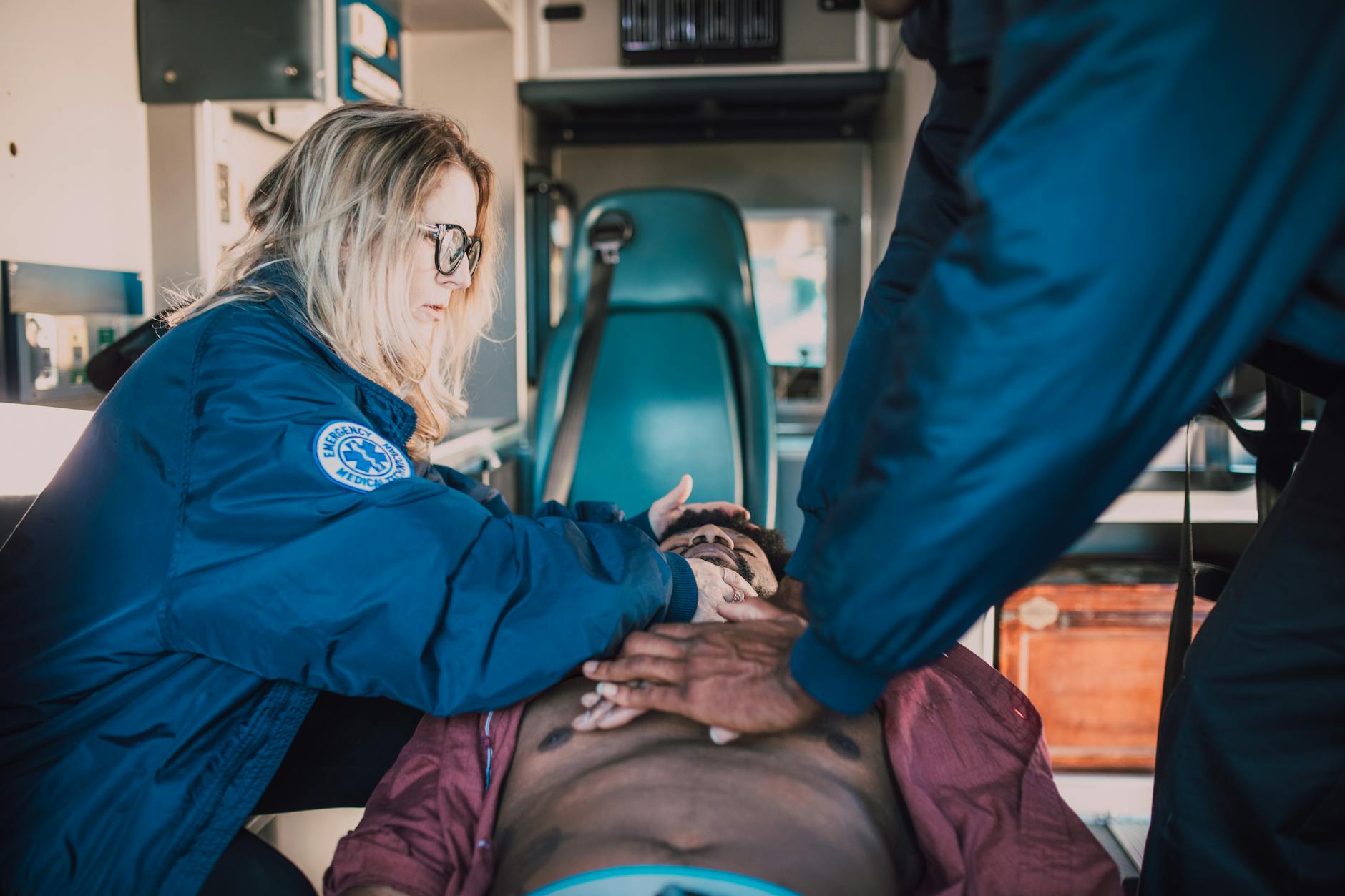
Caregivers must create disaster plans that account for the special needs of people with Alzheimer’s, as their cognitive limitations severely restrict their ability to respond appropriately during crises. A standard disaster plan assumes someone can follow instructions, remember where supplies are, or adapt when conditions change. An Alzheimer’s patient cannot do these things. A comprehensive plan must identify specific roles, locations, supplies, and communication strategies that don’t depend on the patient’s cognition. This includes seating and comfort items like cushions, but also extends to medications, identification, medical history, behavioral strategies, and backup caregiving arrangements.
Emergency supply kits should be stored in watertight containers in easily accessible locations, with clear labels and redundancy built in. Rather than one emergency kit in a basement, consider multiple smaller kits: one in the car, one in an accessible closet, one in the garage. For cushions, this might mean a primary cushion in a waterproof bag at home, a backup in the car, and a simple foam cushion at an alternate care location if your relative might evacuate to a friend’s or family member’s house. Document not just what supplies exist, but where they are and who knows about them. When the actual emergency hits and a caregiver is terrified and making rapid decisions, a written plan with specific locations and labeled containers prevents critical items from being forgotten in panic.
Building Long-Term Disaster Resilience for Dementia Care
Emergency preparedness for Alzheimer’s patients is not a one-time task but an ongoing system that requires periodic review and updating. Every six months, inspect your emergency cushion and covers for wear, test that zippers still function smoothly, and verify that supplies haven’t shifted or become inaccessible. As your relative’s condition progresses, their needs change—a patient in early stage Alzheimer’s may need primarily positioning support, but advanced stage requires cushions with maximum moisture-wicking and incontinence management. Your emergency supply kit should evolve alongside the patient’s disease progression.
The most resilient disaster plans treat comfort items like cushions not as luxuries but as medical equipment essential to preventing complications and managing behavior. Frontline responders in disaster situations report that familiar comfort items—a preferred cushion, a beloved blanket, a familiar pillow—consistently reduce agitation and anxiety in people with dementia. By planning ahead to ensure these items are accessible, maintained, and portable, you’re not just increasing physical comfort; you’re building psychological and behavioral stability into an emergency response system. This perspective shift—from “nice to have” to “essential infrastructure”—fundamentally changes which supplies get prioritized and protected.
Conclusion
The best chair cushion for Alzheimer’s patients during disaster preparedness balances medical features—pressure relief, positioning support, and moisture management—with practical realities: it must be portable, maintainable without specialized resources, and integrated into a formal disaster plan that doesn’t depend on the patient’s cognitive abilities. Cool-gel or wedge-enhanced cushions with breathable, moisture-absorbing fabrics and removable, machine-washable covers provide the foundation.
But the cushion alone is insufficient; it must be stored in an accessible location, included in evacuation planning, maintained proactively, and duplicated as backup in case the primary cushion becomes inaccessible. Start by auditing your current cushion situation: What does your relative currently use? Can you realistically transport it during an evacuation? Do you have backup comfort items stored and ready? Then create a written disaster plan that specifically addresses seating, positioning, and comfort items—not as afterthoughts, but as foundational elements of your relative’s safety and wellbeing during a crisis. Review this plan every six months, update it as your relative’s condition changes, and practice your evacuation scenario so you understand the actual logistical constraints of protecting both your relative and yourself during a real emergency.
You Might Also Like
- What’s the Best Chair Cushion for Alzheimer’s Patients During Respite Stays?
- What’s the Best Chair Cushion for Alzheimer’s Patients During Reading Aloud?
- What’s the Best Chair Cushion for Alzheimer’s Patients During Early Morning Hours?
For more, see NIH MedlinePlus — cognitive testing.