Best cushion sits at the center of this dementia and brain health question.
The best cushion for Alzheimer’s patients during group games is a therapeutic cushion with ample lumbar support, adequate padding, adjustable seat width and depth, and armrests—features that maintain proper posture while reducing pressure points during extended sitting. Research from Johns Hopkins and the University of Rochester has shown that patients using rocking chairs equipped with therapeutic cushions not only sit more comfortably but experience measurable improvements in mood and reduced pain levels. For example, a patient with moderate dementia who struggled with restlessness during game activities might spend an average of 101 minutes rocking daily in a properly cushioned chair, translating to noticeable decreases in depression and anxiety. This article explores what makes certain cushions more effective than others, how to select the right one, and how proper seating enhances cognitive engagement during group activities.
Table of Contents
- Why Therapeutic Cushions Matter for Group Games and Alzheimer’s Care
- What Makes a Cushion Truly Therapeutic for Dementia Patients
- How Proper Seating Enhances Cognitive Benefits of Group Games
- Selecting the Right Cushion Through Professional Assessment
- Pressure Injury Prevention and Common Mistakes
- Rocking Chairs as a Special Case for Dementia Activities
- Creating a Comfort-Focused Environment for Group Activities
- Conclusion
Why Therapeutic Cushions Matter for Group Games and Alzheimer’s Care
Physical discomfort is often an overlooked factor in why dementia patients disengage from group activities. When someone with Alzheimer’s is uncomfortable—whether due to poor posture, inadequate support, or pressure on sensitive areas—they’re likely to become restless, agitated, or withdrawn. The 2024 Lancet Commission report on dementia care emphasizes that environmental comfort factors are foundational to successful therapeutic activities.
During group games like bingo or card games, patients need to sustain attention for 20 to 45 minutes at a time, and this is simply not possible if they’re shifting positions constantly due to discomfort. Therapeutic cushions address this by redistributing weight more evenly across the seating surface, reducing stress on the tailbone, hips, and lower back—areas most prone to pressure-related discomfort. The difference between a standard chair cushion and a therapeutic one is like the difference between sitting in economy versus business class on an airplane: one is bearable for short periods, the other is designed for endurance. When patients are comfortable, caregivers observe longer attention spans, more participation in games, and better mood stability throughout the activity.
What Makes a Cushion Truly Therapeutic for Dementia Patients
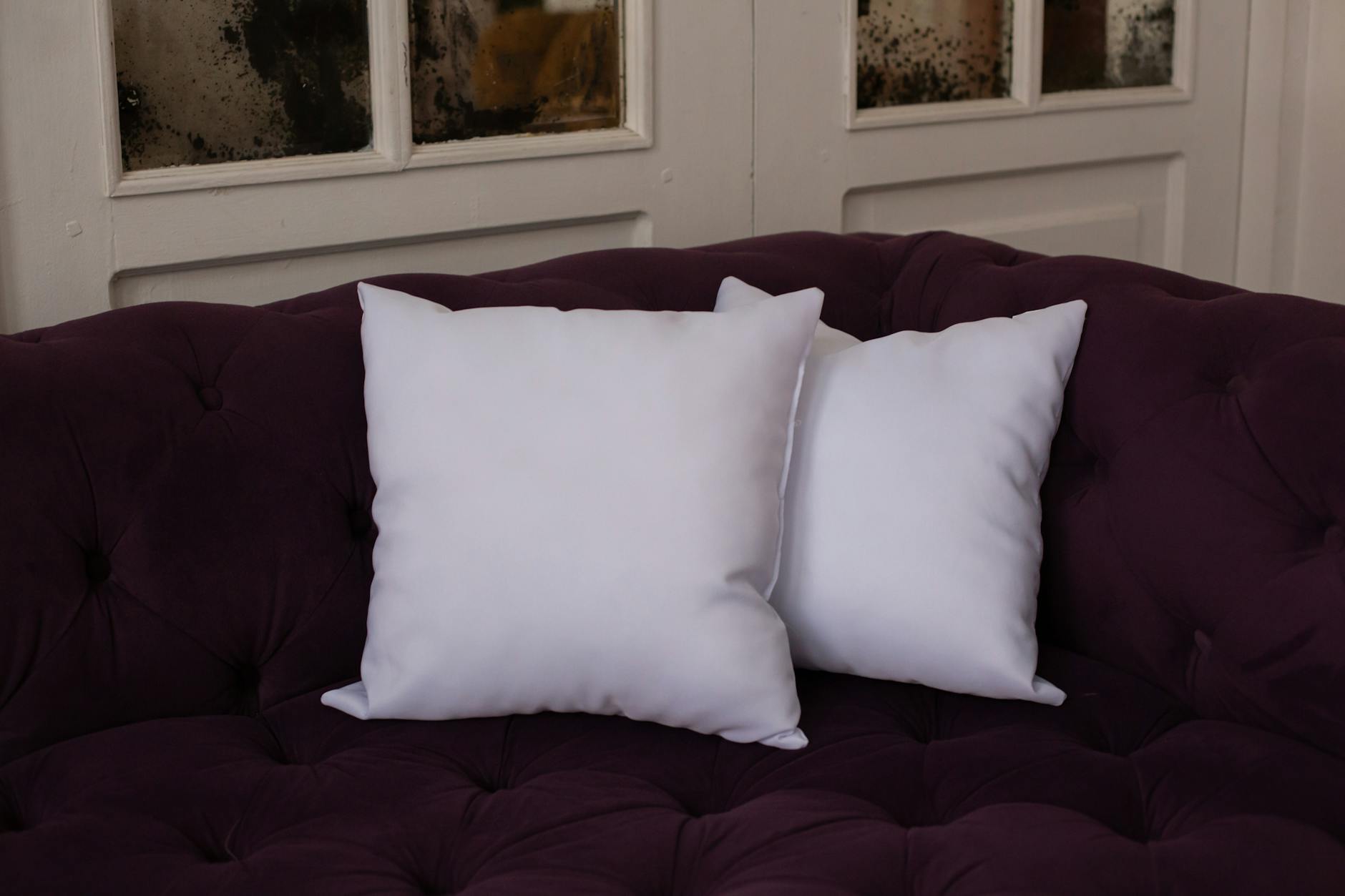
Not all cushions marketed as “therapeutic” actually deliver therapeutic benefits. The most effective cushions share four key design features: ample cushioning (usually 3 to 4 inches of high-density foam), lumbar support to maintain the natural curve of the spine, adjustable seat width and depth to accommodate different body sizes, and sturdy armrests that provide stability and confidence. These elements work together to prevent the posture collapse that often happens in dementia patients, who may lack the awareness or physical control to self-correct poor positioning.
A 2025 clinical review published in PMC emphasizes pressure-redistributing surfaces as part of comprehensive care, recommending repositioning every two hours even during activities. This means the cushion itself isn’t a permanent solution—it’s a foundation that works best when combined with gentle repositioning breaks. Additionally, foam cut-out cushions have proven highly effective for patients with specific tissue sensitivities or previous pressure injury concerns, as the cut-outs reduce direct pressure on vulnerable areas. However, not every patient needs a cut-out design; some do better with uniform foam that provides all-over support.
How Proper Seating Enhances Cognitive Benefits of Group Games
The cognitive benefits of games like bingo, card games, and puzzles are well-documented. A 2022 study published in *Neurology* found that playing card games or doing jigsaw puzzles lowered the risk of cognitive decline in older adults. Another study in the *American Journal of Alzheimer’s Disease and Other Dementias* found that bingo specifically helps dementia patients perform cognitive tasks better and increases alertness and awareness for hours after playing. These benefits only fully manifest when the patient can focus without physical distraction.
When a patient is properly supported by a good cushion, their brain resources are freed from managing discomfort and posture, allowing them to direct attention to the game itself. For example, consider two residents playing bingo at a care facility: one seated in a standard dining chair with minimal cushioning, the other in a proper rocking chair with a therapeutic cushion. The second resident is more likely to track numbers called, mark their card accurately, and stay engaged throughout the game—not because the game is different, but because their body isn’t sending distress signals to their brain. This is particularly important for Alzheimer’s patients, whose cognitive reserves are already diminished; eliminating unnecessary physical stress becomes a form of cognitive support.

Selecting the Right Cushion Through Professional Assessment
The best approach to cushion selection is working with an Occupational Therapist (OT), who can assess the patient’s specific physical needs, mobility level, and the types of activities they’ll participate in. This professional recommendation matters because an OT will consider factors that general advice cannot: Does the patient have skin sensitivity or pressure injury history? What is their weight distribution? Do they have contractures or limited mobility that would benefit from specific support? Are they at risk for sliding in the chair during extended sitting? An OT assessment typically involves observing the patient in their current seating for 15 to 20 minutes, examining pressure points, noting postural deviations, and asking about pain or discomfort.
From there, they may recommend a specific type of cushion—perhaps a standard therapeutic cushion, a foam cut-out cushion, a gel cushion for superior pressure distribution, or even a memory foam option that molds to the individual. This individualized approach beats generic shopping because it matches the solution to the person, not the person to a one-size-fits-all product.
Pressure Injury Prevention and Common Mistakes
One critical mistake caregivers make is assuming that a cushion alone solves seating comfort. The 2025 clinical guidance is clear: even with a therapeutic cushion, patients need repositioning every two hours. This is not a limitation of the cushion—it’s a reality of immobility and dementia care. Some families purchase an excellent cushion but then leave the patient in the same position for hours, defeating its purpose. The cushion reduces risk, but only movement and positional changes eliminate it.
Another common error is selecting a cushion that’s too soft. While softness feels nice initially, it can actually allow the patient’s body to sink into the cushion, concentrating pressure rather than distributing it. Medium-density foam with some firmness typically outperforms plush, low-density cushions in preventing pressure injury. Additionally, the cushion surface should be breathable and washable—incontinent patients or those prone to sweating need materials that don’t trap moisture, which promotes skin breakdown. A cushion that looks perfect but isn’t practical for frequent washing becomes a liability rather than an asset.
Rocking Chairs as a Special Case for Dementia Activities
Rocking chairs deserve special mention because they combine therapeutic cushioning with movement, creating a dual benefit for dementia patients. The Johns Hopkins and University of Rochester research specifically studied rocking chairs with therapeutic cushions and found that patients rocked an average of 101 minutes per day with significant improvements in depression, anxiety, balance, and reduced need for pain medication. The rhythmic motion of rocking has a self-soothing effect that static seating does not provide.
For group game situations, a rocking chair is less practical during active gameplay (bingo and card games require table proximity), but it’s ideal for before-and-after activity periods or for patients who struggle with anxiety. Some facilities use a hybrid approach: patients play games at tables with good cushioned seating, then rest in rocking chairs with therapeutic cushions afterward. The rocking also helps with digestion and circulation, making it a valuable addition to the care environment beyond just game time.
Creating a Comfort-Focused Environment for Group Activities
The best cushion is one component of a broader strategy to make group games accessible and enjoyable for dementia patients. Beyond seating, consider table height (should allow feet to rest flat on the floor with forearms supported), lighting (to reduce glare and improve visibility of game cards or boards), and room temperature (dementia patients often have difficulty regulating body temperature). A well-designed activity space combines proper cushioning with these other environmental factors.
Looking forward, there’s growing recognition in dementia care that comfort optimization should be as routine as medication management. As occupational therapy and seating specialists continue to develop better materials—including advanced pressure-redistributing foams and gel technologies—the gap between clinical best practice and everyday care settings will hopefully narrow. For now, the foundation remains: invest in a therapeutic cushion selected through professional assessment, pair it with proper positioning and regular repositioning, and observe how it transforms your loved one’s engagement in group activities.
Conclusion
Choosing the best cushion for Alzheimer’s patients during group games comes down to three essentials: therapeutic design with adequate lumbar support and armrests, individual assessment by an Occupational Therapist to match the cushion to the specific patient, and a commitment to repositioning every two hours. The research is clear—proper seating support improves both physical comfort and cognitive engagement, allowing patients to participate more fully in therapeutic activities. The investment in a quality cushion, combined with professional guidance, can measurably improve mood, reduce pain, and extend the time a dementia patient can enjoy social connection through games.
Your next step is to schedule an occupational therapy evaluation if one hasn’t been done recently. Bring photos of your current seating and describe typical discomfort or restlessness patterns you’ve noticed. The OT can recommend specific cushion types and brands suited to your loved one’s needs, and may also suggest adjustments to the activity environment itself. Combined with proper cushioning, these changes often make the difference between a patient who tolerates group activities and one who truly engages with them.
You Might Also Like
- What’s the Best Cushion for Alzheimer’s Patients During Memory Recall Activities?
- What’s the Best Cushion for Alzheimer’s Patients During Telehealth Appointments?
- What’s the Best Cushion for Alzheimer’s Patients During Haircuts?
For more, see NIH MedlinePlus — dementia.