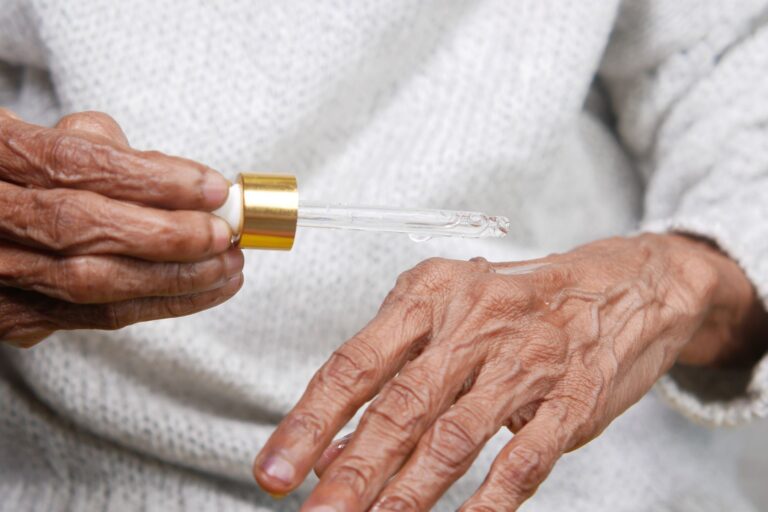
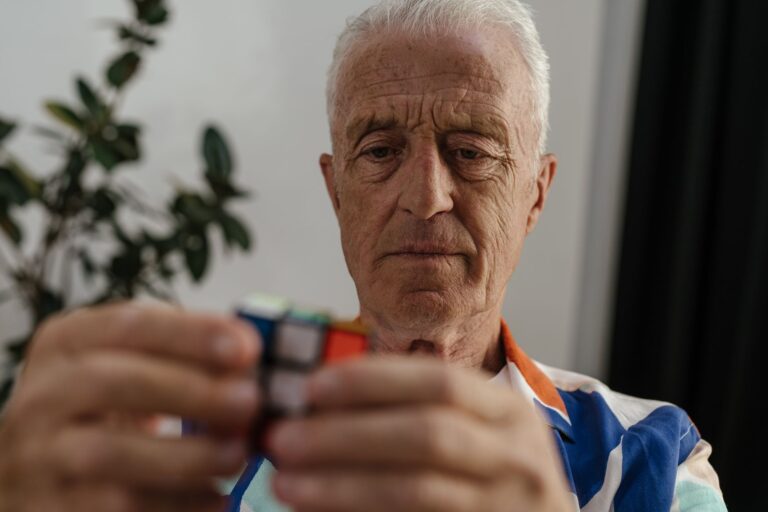
Dementia changes how someone interacts with their home environment. What seems like a normal household item—a bottle of pain medication, a pair of scissors, a bucket of cleaning supplies—becomes a safety risk when judgment, memory, and impulse control decline. Removing certain items from a dementia patient’s home is one of the most practical ways to prevent accidents, poisoning, wandering, and self-injury.
If your parent or spouse with dementia lives with you, or if you’re preparing their space, start by removing unsecured medications, toxic chemicals, sharp objects, and items that create fall hazards. The goal isn’t to create an empty room, but to remove things that pose genuine danger while preserving comfort, dignity, and the ability to move around safely. A person with dementia may take someone else’s blood pressure medication thinking it’s candy, swallow cleaning fluid while looking for juice, or pick up kitchen knives without understanding the risk. These aren’t character flaws or stubbornness—they’re the result of cognitive decline that affects judgment and memory.
Table of Contents
- Which Medications and Household Chemicals Must Go?
- Removing Fall Hazards and Physical Obstacles
- Clearing Clutter and Confusion-Causing Items
- Securing Access to Dangerous Zones and Locking Systems
- Preventing Access to Things That Trigger Wandering or Agitation
- Removing Unsafe Personal Care Items
- Removing Items Related to Continence and Personal Hygiene
Which Medications and Household Chemicals Must Go?
Medications are among the highest-risk items in a home with dementia. A person with cognitive decline cannot reliably distinguish between their own medication and someone else’s, or between medication and candy. Aspirin bottles, prescription painkillers, blood pressure medications, and sleeping pills should be stored in a locked cabinet or removed from the home entirely if not absolutely essential for the patient themselves. If the person does take regular medications, keep only that day’s or that week’s doses in an unlocked place; store the full supply locked up and out of sight. Household chemicals are equally dangerous.
Cleaning supplies, pesticides, garage chemicals, and car products should be removed or locked away. Many dementia patients have lost the ability to read warning labels or understand why something isn’t safe to drink or touch. A person may see a brightly colored bottle of window cleaner and assume it’s juice, or reach for drain cleaner while trying to clean a spill. Even products stored under the sink can become accessible if the person is left unsupervised or if cabinet locks fail. Similarly, remove or lock up personal care products like nail polish remover, rubbing alcohol, and mouthwash—these are surprisingly common sources of accidental poisoning because they often smell pleasant or familiar.
Removing Fall Hazards and Physical Obstacles
fall risk increases dramatically in dementia because of gait changes, balance problems, and poor spatial awareness. Remove area rugs, extension cords, and clutter from walkways. A person with dementia may not see a rug edge or remember to step over a cord, and their reaction time is often too slow to catch themselves. Even a small throw rug in front of a sofa or bed becomes a tripping hazard. If the person uses a walker or cane, check that pathways are wide enough and clear enough for them to move through safely.
Stairs are a major hazard. If possible, restrict access to stairs using a baby gate or locked door at the top and bottom. If the person must use stairs, ensure handrails are securely mounted on both sides, and consider installing glow-in-the-dark tape on the edges of steps to make them more visible, especially at night. A limitation of stair gates is that they can feel restrictive or confusing to the person with dementia—they may become frustrated, try to climb over, or forget why the gate is there. In these cases, rearranging the home so the person sleeps and spends most of their time on one floor is often more practical than relying on barriers alone.
Clearing Clutter and Confusion-Causing Items
A cluttered home confuses people with dementia and increases fall risk. Remove excess furniture, stacks of paper or magazines, piles of laundry, and other items that clutter the floor or furniture surfaces. Visual noise—too many objects, busy patterns, or overstimulating decorations—can trigger agitation or increase confusion. Keep surfaces clear and organized, with only essential items in each room. Mirrors can be surprisingly problematic.
Some people with dementia become frightened or agitated when they see their own reflection, not recognizing themselves or misinterpreting the image as another person in the room. If mirrors cause distress, cover them or remove them. Similarly, consider removing or covering windows that reflect back into the room, as these can create the same disorienting effect. Other people with dementia do fine with mirrors, so observe your loved one’s reaction before deciding to remove them. Remove or store away items that belong to deceased family members or items that might trigger distress or confusion—old family photos, memorabilia from losses, or items associated with past events that upset the person.
Securing Access to Dangerous Zones and Locking Systems
Kitchens and bathrooms are high-risk areas. A person with dementia may turn on the stove and walk away, leaving a burner unattended, or turn up the shower to an unsafe temperature without realizing it. Remove access to the stove by installing a stove knob cover or child-safety locks on the oven. Some families find it practical to cut off power to the stove at the breaker when the person is unsupervised, though this requires you to manage cooking around the person’s schedule.
For the shower, set the water heater temperature to no higher than 120°F to prevent scalding, and use single-lever faucets that are easier to control than separate hot and cold knobs. In bathrooms, remove items from shelves and storage above the toilet, as a person with dementia might fall or become unstable while reaching. Lock bathroom cabinets that contain medications, razors, nail clippers, or other sharp objects. The tradeoff is that some locking mechanisms are confusing or frustrating for the patient, so choose locks that don’t create barriers to necessary activities like handwashing. Remove glass items like perfume bottles or drinking glasses from accessible surfaces in the bathroom; a fall or moment of confusion could result in broken glass and cuts.
Preventing Access to Things That Trigger Wandering or Agitation
Remove items that might trigger the person to leave the house unsupervised. For some people, this means removing coats and shoes from obvious locations; for others, it’s taking away car keys or hiding the front door. A person with dementia may see their old briefcase and think it’s time to go to work, or find their purse and want to leave immediately. Store these items in a closet or bedroom that the person doesn’t frequent. Remove or put away outdoor gear, luggage, or anything associated with travel or leaving.
Items that trigger emotional distress should also be removed. If your loved one becomes agitated when they see certain family members’ belongings or if particular objects remind them of losses or confusing events, store those items away. A warning here: if you completely hide all reminders of people or activities the person cared about, you may inadvertently increase their confusion or distress about where things are. The goal is to remove triggers, not to create an environment so sterile that it causes new problems. Pay attention to what actually upsets the person and remove those specific items, rather than clearing out everything.
Removing Unsafe Personal Care Items
Razors, scissors, knives, and other sharp objects should be removed or stored in a locked drawer. A person with dementia may pick up a razor or pair of scissors without understanding the danger, or may become fixated on a sharp object. Even if the person was capable of safe self-care before, cognitive decline can change how they handle tools.
Some people become obsessive about certain objects, so it’s better to remove the object than to repeatedly tell the person not to touch it—the repetition can itself become frustrating or confusing. Remove electrical items like hair dryers or electric razors if they create a hazard. A person might attempt to use a hair dryer near water, or might become confused about how to use it safely. Any electrical device that creates heat or requires coordination should be evaluated for risk.
Removing Items Related to Continence and Personal Hygiene
If the person experiences incontinence, remove or hide items that might cause them embarrassment or confusion, such as plastic sheets or incontinence products left out in plain sight. Store these items in a discreet location so the person doesn’t feel ashamed or reminded constantly of their incontinence. At the same time, keep basic toileting supplies easily accessible—a person may become frustrated or confused if they need to use the toilet but cannot find supplies or remember where the bathroom is.
Remove air fresheners or scented products if they’re being mistaken for food or water, or if they’re causing discomfort. Some dementia patients experience heightened sensitivity to smells, and strong fragrances can trigger nausea or agitation. Additionally, remove sponges, dish towels, or cleaning cloths that might be mistaken for food or towels for personal hygiene; this risk is low in most cases but becomes real for people with severe cognitive decline who are putting non-food items in their mouths.