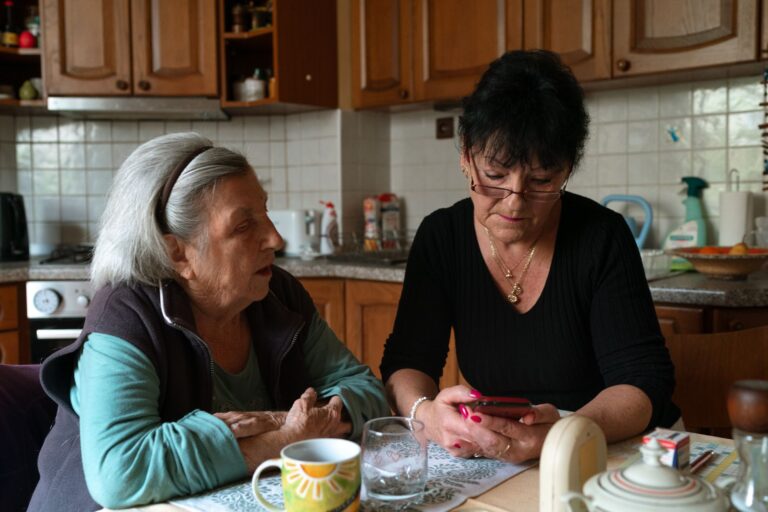
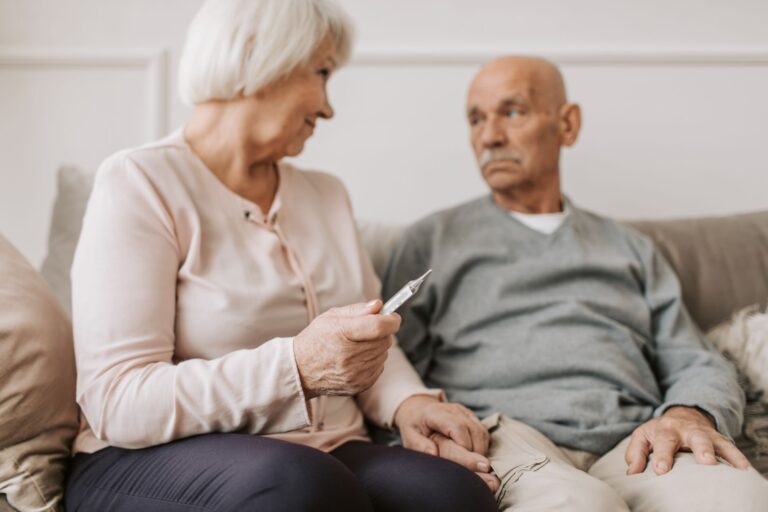
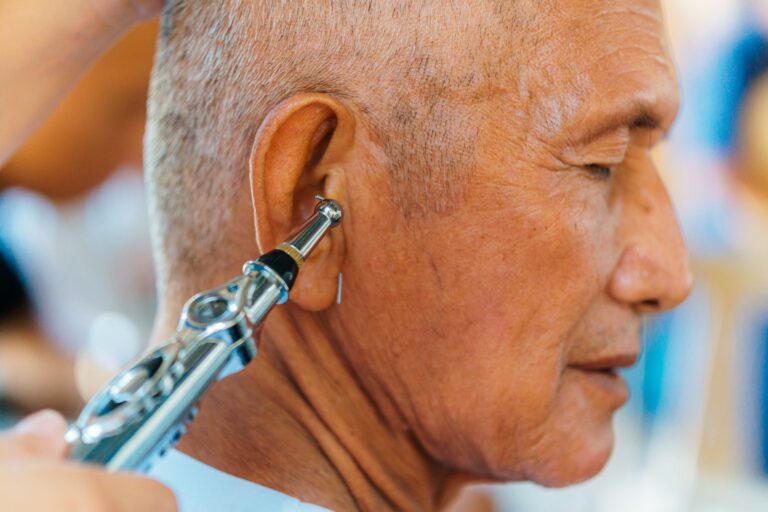
Caregiver training for Alzheimer's and related dementias teaches practical skills for daily care, communication, behavior changes, safety, and caregiver support. Expect short lessons, demonstrations, and routines you can use at home right away.
Alzheimer's is a progressive brain disorder that impairs memory, language, and judgment. Related dementias cause similar changes from other brain diseases. Training explains these changes in plain terms and shows how to respond with patience and structure.
Medical information disclaimer: This article is for general educational purposes only and does not provide medical advice, diagnosis, or treatment. Always consult a physician or other qualified health professional about symptoms, medications, tests, or treatment decisions.
Table of Contents
- What will you learn about dementia?
- How will training improve communication?
- What help will you get with daily care?
- How do you respond to behavior changes?
- How do you make home safer and choose a course?
What will you learn about dementia?
Training starts with foundations. You learn how memory loss progresses and why familiar tasks become hard. You also learn how to support independence as abilities change. The Alzheimer's Association organizes this learning into stand-alone topics, including building foundations, supporting independence, and exploring care and support services in its Empowered Caregiver series.
You can take one topic at a time. That format helps family caregivers focus on the present stage. Professional courses go deeper into assessment and care planning. They follow person-centered care principles across daily activities, communication, behaviors, and safety. That structure helps paid and family caregivers use the same approach.
How will training improve communication?
You practice simple tactics for everyday talk. The National Institute on Aging describes tactics such as eye contact, using the person's name, short sentences, patience, and gentle touch in its tips for bathing, dressing, and grooming. These steps reduce confusion during care. They also preserve respect when words fail. Training also shows what to avoid.
Long explanations, corrections, and rushed questions often raise stress. Short choices work better, such as holding up two shirts instead of asking an open question. Practice is hands-on. You may watch a video, repeat a phrase, or role-play a morning routine. The goal is a calm tone, clear words, and time to respond.
What help will you get with daily care?
Courses give step-by-step help with bathing, dressing, grooming, toileting, and eating. You learn how to set up the room, explain each step, and adapt the activity. Small changes keep dignity intact. Bath time gets special attention. Training covers safety, privacy, water comfort, and a steady routine.
A familiar order, warm room, and non-slip surface can lower fear and resistance. You also learn how to adapt activities to ability. Break tasks into single steps. Offer guidance only where needed. Let the person do what remains safe and possible.
- Lay out clothes in dressing order
- Keep bath items within reach before starting
- Offer one food or clothing choice at a time
- Keep the same daily order when it works
How do you respond to behavior changes?
Training reframes common behavior changes as communication. A repeated question, refusal, pacing, or outburst may signal pain, hunger, fatigue, noise, or confusion. You learn to look for triggers and unmet needs first. Non-medical responses come before other steps.
Change the setting, lower noise, offer rest, food, water, or toileting, and try a simpler activity. Caregivers also learn when to seek added medical help for sudden or unsafe changes. This approach lowers conflict. You respond to the need behind the behavior. You also track patterns, so doctor visits and family updates become clearer.
How do you make home safer and choose a course?
Safety planning is a core module. The National Institute on Aging addresses wandering, falls, stove and medication hazards, driving, and home changes in its home safety guide. Examples include safety knobs, shut-offs, labels, and emergency devices. You learn how to discuss driving and doctor visits with care.
Programs also teach caregiver self-care. BrightFocus Foundation notes support teams, stress management, respite, support groups, and the 24/7 helpline in its caregiver training overview. Education does not replace medical advice. Required hours vary by state and role, so confirm local rules before you enroll.