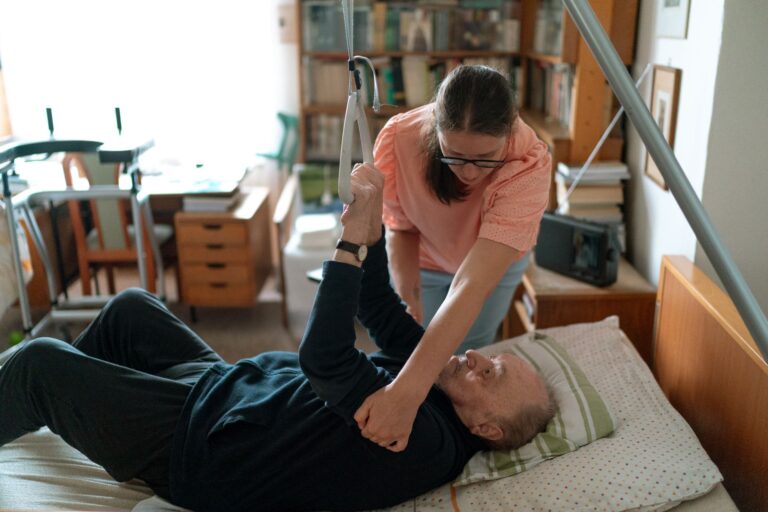
Loved one sits at the center of this dementia and brain health question.
When a loved one insists they’re in the wrong home, it can be deeply confusing and distressing for everyone involved. This situation often arises in the context of cognitive decline, dementia, or other mental health challenges, but it can also stem from emotional distress or identity confusion. The key is to approach the situation with patience, empathy, and practical strategies to ensure their safety and emotional well-being.
First, it’s important to recognize that when someone says they’re in the wrong home, they may be experiencing a form of disorientation or confusion. This is common in dementia, where a person might believe they need to go to a different place, such as their childhood home, a workplace, or a previous residence. This feeling is not about stubbornness or defiance but a genuine perception that their current environment is unfamiliar or incorrect.
Start by **validating their feelings** rather than contradicting them outright. Instead of saying, “You’re wrong, this is your home,” try to understand what they’re feeling and why. You might say, “It sounds like you’re feeling like you don’t belong here right now. Can you tell me more about where you think you should be?” This approach helps reduce anxiety and builds trust.
If the insistence continues, gently **redirect their attention** to something comforting or familiar in the current environment. For example, you could engage them in a favorite activity, show them photos of family members, or talk about positive memories associated with the home. This can sometimes ease their distress and help them feel more grounded.
It’s also crucial to **assess their safety**. If they are trying to leave the home because they believe they need to be somewhere else, there is a risk of wandering, which is common in dementia. Take steps to secure the environment to prevent them from wandering off unsafely, such as locking doors or using alarms, but do so with sensitivity to avoid making them feel trapped.
In parallel, **keep important documents and identification easily accessible** in case they do wander or become lost. Share this information with caregivers or family members who might assist in locating them quickly if needed.
Communication with healthcare professionals is vital. If this behavior is new or worsening, consult a doctor or specialist to evaluate whether there is an underlying medical cause such as delirium, infection, or progression of dementia. They can also recommend therapies or medications that might help reduce confusion.
Emotional support for both the loved one and the caregiver is essential. Caregivers often feel frustrated, helpless, or overwhelmed. Seeking support groups, counseling, or respite care can provide relief and strategies for coping.
If the loved one’s insistence on being in the wrong home is linked to emotional issues rather than cognitive decline—such as grief, trauma, or a desire to return to a past life phase—consider therapeutic approaches. Listening to their story, validating their emotions, and gently helping them process these feelings can be healing.
Throughout this process, avoid arguing or forcing the person to accept reality in a way that causes distress. Instead, focus on creating a calm, reassuring environment where they feel heard and safe.
In summary, when a loved one insists they’re in the wrong home, respond with empathy, validate their feelings, ensure their safety, seek medical advice, and provide emotional support. This balanced approach helps manage the situation compassionately and effectively.
For more, see NIH MedlinePlus — cognitive testing.