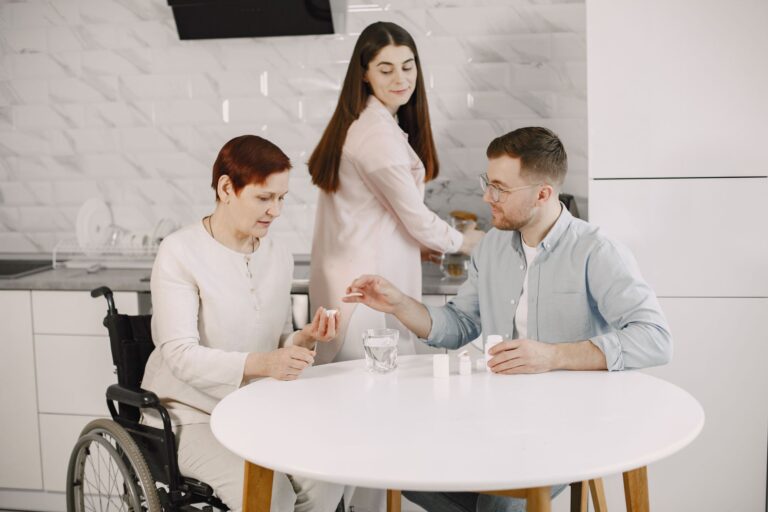
Ask your doctor whether an over-the-counter sleep aid is safe with dementia, other drugs, and eye or prostate conditions. Bring every nighttime, allergy, bladder, and pain product to that review before giving anything new. Most over-the-counter sleep aids use diphenhydramine or doxylamine, first-generation antihistamines that cause drowsiness. In dementia, that drowsiness can mean morning confusion, grogginess, and falls the next day.
Medical information disclaimer: This article is for general educational purposes only and does not provide medical advice, diagnosis, or treatment. Always consult a physician or other qualified health professional about symptoms, medications, tests, or treatment decisions.
Table of Contents
- Why do these pills affect older brains more?
- What label warnings should caregivers check?
- What helps sleep without a pill first?
- Is melatonin a safer swap?
Why do these pills affect older brains more?
The American Geriatrics Society lists diphenhydramine and doxylamine as potentially inappropriate for adults 65 and older in its 2023 Beers Criteria update. The reason is strong anticholinergic action, slower clearance with age, tolerance, and risk of confusion and toxicity. Anticholinergic means it blocks a brain chemical involved in memory and alertness.
MedlinePlus says diphenhydramine generally should not be used in older adults except for serious allergic reactions. Gray and colleagues followed 3,434 older adults for seven or more years. The highest cumulative strong-anticholinergic exposure was linked to 54% higher dementia risk and 63% higher Alzheimer risk in the cohort report. Higher use was linked to greater risk.
What label warnings should caregivers check?
Current FDA-regulated OTC labels warn to ask a doctor before use with glaucoma or prostate-related trouble urinating. They also warn not to combine with another diphenhydramine or doxylamine product. The same labels say to ask a doctor or pharmacist when taking sedatives or tranquilizers, according to DailyMed current labels in the OTC label collection.
Many nighttime pain, cough, allergy, and sleep products contain the same ingredient. Drowsiness adds up with alcohol and other brain-slowing drugs, including hypnotics and sedatives. That mix can impair driving, judgment, and morning alertness, which raises fall risk in dementia.
What helps sleep without a pill first?
The Alzheimer's Association advises trying non-drug sleep routine and environment changes first in its sleep-changes guidance. It notes sleep-medication use is tied to greater fall chance and other risks. Useful steps include steady bed and wake times, morning light, daytime activity, and fewer naps.
Keep the bedroom dark, quiet, cool, and free of caffeine, alcohol, and late screens. Treat new snoring, gasping, repeated bathroom trips, pain, or sudden confusion as prompts for medical review. Those problems can mimic poor sleep but need different care.
Is melatonin a safer swap?
Not automatically. The National Center for Complementary and Integrative Health says melatonin may help jet lag, shift-work sleep problems, and some trouble falling asleep. Yet 2017 and 2019 clinical guidelines recommended against it for chronic insomnia.
Do not add melatonin, an antihistamine, or a second nighttime product on your own. Overlapping sedating ingredients and drug interactions remain a concern in dementia. Bring a complete list for review instead: Put all bottles in a bag for the visit and ask what to pause, change, or monitor.
- every OTC sleep, allergy, cold, pain, and bladder product
- nighttime "PM" formulas and herbal sleep aids
- alcohol use and all sedatives, tranquilizers, and muscle relaxants
- glaucoma, urinary, fall, and morning-confusion history