Churches and local groups matter in Alzheimer’s support because they address two fundamental needs that medical treatment alone cannot: sustained human connection and practical daily assistance. When someone receives an Alzheimer’s diagnosis, they face not just cognitive decline but also the risk of profound isolation—a risk that social isolation actually accelerates. Churches and community organizations fill this gap by providing consistent contact, structured activities, and material help that keeps both the person with dementia and their caregiver integrated into a functioning social network.
A person attending weekly church services or a local support group doesn’t just receive information about their condition; they remain part of a community that sees them as a whole person, not a diagnosis. The evidence is clear: people with Alzheimer’s who maintain social engagement through groups and faith communities show slower cognitive decline and better emotional outcomes than those isolated at home. These organizations also serve as a critical safety net for family caregivers, who otherwise face burnout, depression, and health crisis within three years of taking on full-time care. A church volunteer who visits every Thursday, or a local Alzheimer’s Association chapter that holds monthly support groups, prevents the kind of caregiver breakdown that leads to emergency placement or worse.
Table of Contents
- How Do Faith Communities Provide Support Beyond Sunday Services?
- What Do Secular Local Groups Offer That Faith Communities Cannot?
- Why Does a Caregiver’s Isolation Become a Medical Problem?
- How Do Regular Groups Slow Cognitive and Emotional Decline?
- What Are the Risks of Relying Too Heavily on Volunteer Groups?
- How Do Local Groups Help with the Logistics of Caregiving?
- What Happens When a Community Builds Dementia-Aware Culture?
How Do Faith Communities Provide Support Beyond Sunday Services?
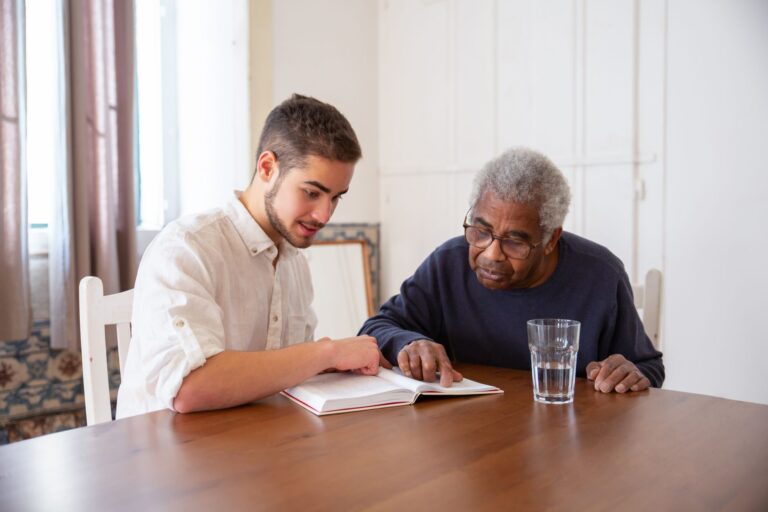
Faith communities go far beyond holding a person with dementia during a worship service. Many churches have developed specific ministries: memory care groups, respite care programs where volunteers spend time with the person while the caregiver gets a break, meal trains that deliver prepared food, and organized transportation to medical appointments. Some congregations train volunteers in dementia basics so interactions are less awkward and more meaningful. A Methodist church in Michigan runs a “Breakfast Bible Study” specifically for people in early-stage Alzheimer’s, allowing them to remain intellectually engaged and socially present while memory challenges are still manageable.
The advantage of faith-based support is continuity and relationship. Unlike a hired aide who changes every few weeks, the same church members show up repeatedly, learning the person’s name, preferences, and history. This familiarity reduces the anxiety that many people with Alzheimer’s experience around unfamiliar faces. However, not all churches have these structured programs. Many small congregations lack the volunteer base or training to offer specialized dementia care, meaning a family might attend church for years and find little practical help when Alzheimer’s arrives.
What Do Secular Local Groups Offer That Faith Communities Cannot?
Secular support networks—Alzheimer’s Association chapters, local senior centers, community health clinics, and neighborhood associations—offer different strengths. They typically have professional staff trained in dementia care, updated educational materials, and connections to clinical resources like memory clinics or clinical trials. The Alzheimer’s Association specifically runs support groups designed for caregivers, spouses, and adult children, and offers a 24/7 helpline staffed by counselors. These organizations are also more likely to offer free programming and services without any spiritual or cultural assumptions, making them accessible to families of any background. A significant limitation of secular groups is sustainability.
Many rely on grants and donations that fluctuate, meaning programs can disappear. A caregiver who has relied on a twice-monthly support group for two years may find it canceled when funding ends. Faith communities, by contrast, have built-in funding through tithes and donations and often see dementia ministry as a permanent calling rather than a project. Geographic access also matters: a person in a rural area may have no local Alzheimer’s Association chapter but may have a church within driving distance. Neither type of group is inherently better—families typically need both.
Why Does a Caregiver’s Isolation Become a Medical Problem?
Caregiver burden is not merely emotional strain; it produces measurable physical harm. Studies show that family caregivers of Alzheimer’s patients have higher rates of depression, heart disease, and early mortality than the general population. Some are so focused on caregiving that they skip their own doctor visits, take no breaks, and stop socializing entirely. A daughter caring for her mother may spend months without a single evening out, leading to sleep deprivation, immune suppression, and high cortisol levels.
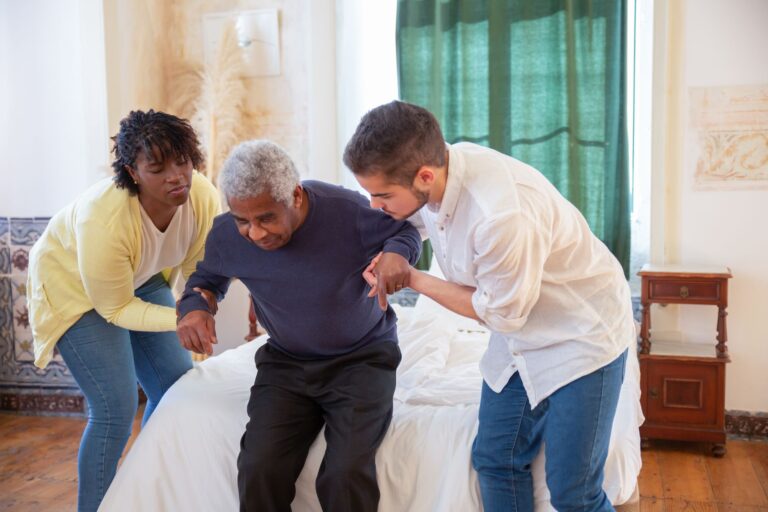
Churches and local groups interrupt this downward spiral by providing respite—actually watching the person with Alzheimer’s while the caregiver attends a movie, exercise class, or therapy appointment. This is where the two support types overlap effectively. A church volunteer handles sitting services, while the local Alzheimer’s Association runs the caregiver support group the caregiver attends during those free hours. Without both, the caregiver receives time off but no peer support, or peer support but no one to watch the person at home. Some neighborhoods have created hybrid models where a church partners with a secular nonprofit to share resources and training.
How Do Regular Groups Slow Cognitive and Emotional Decline?
Participation in structured group activities—whether a church hymn sing, an Alzheimer’s Association memory café, or a community recreation program—provides cognitive stimulation and purposeful engagement that correlates with slower memory loss. Singing, learning, practicing skills, and socializing activate multiple brain regions simultaneously. A person attending a weekly art class at a community center isn’t just painting; they’re remembering instructions, making choices, interacting with peers, and producing something they can feel proud of. Research shows that people with mild to moderate Alzheimer’s who participate in such groups score higher on cognitive tests six months later compared to those who remain home-bound.
The tradeoff is that these programs work best in early-to-middle stages of the disease. Someone in advanced Alzheimer’s may not remember the group from week to week, and getting them to attend can be exhausting for the caregiver. Additionally, group settings can overwhelm people with sensory sensitivities or behavioral changes. A person who becomes agitated in crowds may do better with one-on-one visits than group activities. Finding the right match between the person’s abilities and the group’s setting and pace requires trial, patience, and sometimes help from a care coordinator.
What Are the Risks of Relying Too Heavily on Volunteer Groups?
Volunteer-run programs carry inherent fragility. A key volunteer becomes ill or moves away, and suddenly the program shrinks or closes. Volunteers, despite good intentions, are usually untrained in handling behavioral crises, wandering risks, or medical emergencies. A church group might not know how to respond if the person with Alzheimer’s becomes aggressive or refuses to eat. Some family members experience shame or hesitation about “burdening” a faith community with their loved one’s care, leading them to decline offers of help until crisis forces their hand.
There is also the risk of inconsistent care quality. A volunteer who visits weekly may be wonderful one month and patronizing or impatient the next. People with Alzheimer’s are extremely sensitive to tone and attitude; a visit from someone who clearly resents the time commitment causes more harm than a missed visit would. Families should set boundaries, give volunteers clear instructions, and check in regularly about whether the support is actually helping. A support group that is run by someone untrained in grief and trauma can occasionally reinforce despair rather than prevent it, especially if members are all at very late stages of caregiving and share only stories of loss.
How Do Local Groups Help with the Logistics of Caregiving?
Beyond emotional support, local groups handle practical problems that otherwise consume enormous time and energy. A neighborhood volunteer network might coordinate meal deliveries, yard work, or snow removal—tasks the caregiver cannot do alone. Some faith communities provide financial assistance for in-home care aides or medical equipment.
A Presbyterian church in Texas runs a “neighbor-to-neighbor” program where members help with grocery shopping, bill paying, and household repairs, freeing the caregiver to focus on the person’s immediate care needs and their own rest. Alzheimer’s Association chapters often maintain lists of local resources: vetted in-home care agencies, adult day programs, assisted living facilities, and respite care centers. This saves families countless hours of searching and prevents bad decisions made in crisis. Some areas have created dementia-friendly community programs—movie screenings, fitness classes, or volunteer opportunities where people with early Alzheimer’s can still participate and feel productive.
What Happens When a Community Builds Dementia-Aware Culture?
A few neighborhoods have gone further, training shopkeepers, police, library staff, and other community members to recognize and assist someone who is lost or confused due to Alzheimer’s. These “dementia-friendly communities” reduce the terror both the person and caregiver experience during public outings. In one Colorado town, a Walmart greeter now recognizes regulars with Alzheimer’s by name, a police officer trained in dementia knows which neighbor has wandering behavior and where to find them, and the local diner staff knows not to rush a regular customer who takes longer to order.
This kind of community awareness emerges from churches and local organizations investing in education and making dementia care visible and normalized rather than hidden. The practical result is that a person with Alzheimer’s can remain active in their community longer, with less fear and less constant surveillance from their caregiver. The person gets to age in place, within their own neighborhood, where faces are familiar and expectations are adjusted. Caregivers report that when their community knows and supports them, they experience less shame and more willingness to ask for help before crisis arrives.
- —