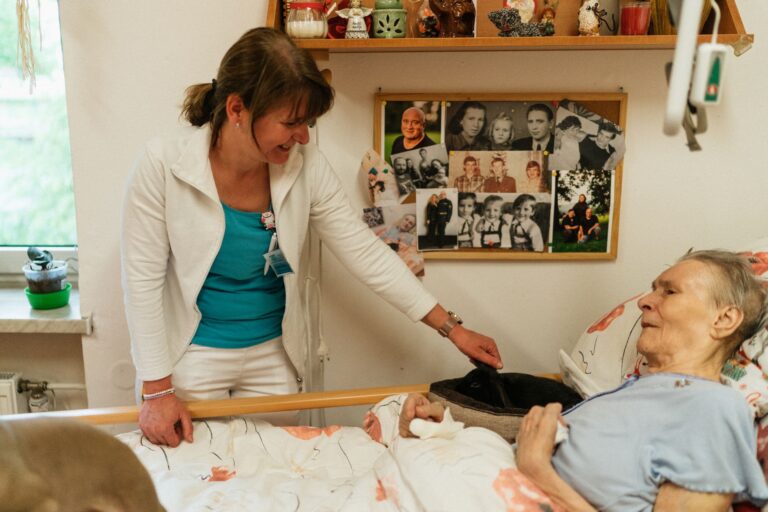
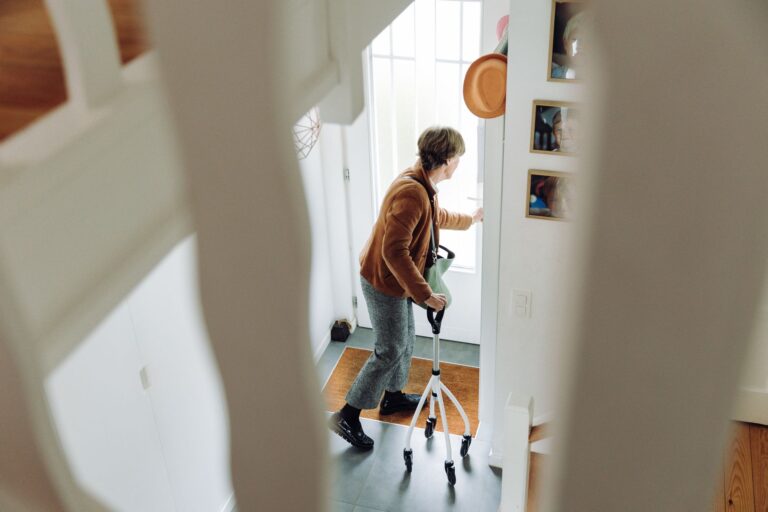
The single most important photo for a dementia wandering emergency is a clear, recent headshot taken within the past six months that shows your loved one’s full face in natural lighting. This photo should be immediately accessible to law enforcement—stored in your phone, printed and placed in a safe location, and shared with local police departments before an emergency occurs. When someone with dementia wanders, first responders need to identify them quickly, and a photo that was taken just weeks ago is far more useful than a picture from two years prior, even if the older photo was technically sharper. Keep a color photograph that captures natural facial features, including any distinctive marks, scars, or tattoos.
Sarah Mitchell’s 82-year-old mother wandered from her group home in Ohio; when Sarah provided a photo from six weeks earlier showing her mother’s updated short gray hair and the small scar above her left eyebrow, a community member recognized her at a bus stop and called police. Without that recent, detailed photo, her mother might have gone unidentified for hours. The logistics of gathering and organizing these photos matter as much as the photo itself. This is not about having the best portrait—it is about having the right photo in the right places when you need it.
Table of Contents
- Which Types of Photos Work Best for Emergency Identification
- Physical Characteristics That Make a Photo Search-Ready
- Where to Store These Photos So They’re Accessible
- How to Prepare Emergency Photos Before a Crisis Occurs
- Common Mistakes in Photo Selection and Storage
- Sharing Photos With Authorities and Search Volunteers
- Updating and Maintaining Your Photo File Over Time
Which Types of Photos Work Best for Emergency Identification
The most effective emergency photo is a simple headshot with direct frontal lighting that shows the face clearly without shadows. Professional portraits are helpful, but a clear smartphone photo taken in daylight by a window is equally valid if it captures the person’s face without distortion, hat, or sunglasses obscuring features. Avoid photos where the person is partially turned away, heavily shadowed, or at an extreme angle. Law enforcement and search volunteers need to see the face straight-on to match it against what they might see in real life—a three-quarter profile or a photo taken from above distorts facial proportions and makes identification slower.
Age matters significantly. A photo from five years ago, no matter how flattering, may show hair color, hairstyle, or facial hair that has changed substantially. If your loved one has lost weight or gained weight, or if their hair has gone from brown to white, the outdated photo becomes a liability rather than an asset. The Alzheimer’s Association recommends photos updated at least every six months for people with moderate to advanced dementia, since changes in appearance can be rapid. A photo taken three weeks ago, even if it shows an unflattering angle or expression, is more valuable than a perfect photo from eighteen months back.
Physical Characteristics That Make a Photo Search-Ready
A search-ready photo should be high enough resolution to be enlarged without becoming pixelated, and it should be available in multiple formats—digital (to send via text or email to police), printed (to distribute at the scene), and stored on cloud services (so you can access it even if your phone is lost). If your loved one has distinctive features—a noticeable birthmark, glasses, a scar, or unique tattoos—make sure these are visible in the photo or documented separately. When a person is missing, volunteers and first responders will ask, “Does she have any marks we should know about?” and having a photo that shows these details answers the question immediately. However, there is a critical limitation: no single photo captures everything.
If your loved one wears glasses most of the time, keep both a version with and without glasses, since they might be missing the glasses when found. Similarly, if they have false teeth or dentures, consider whether the photo with teeth showing accurately represents their everyday appearance. A warning: photos taken during low-light conditions, with flash that creates harsh shadows, or at angles that distort the face can actually hinder identification. A volunteer searching a neighborhood and comparing faces to your grainy or overexposed photo might miss your loved one standing right in front of them.
Where to Store These Photos So They’re Accessible
Create multiple copies and place them in multiple locations. Keep a printed 4×6 photo in your wallet at all times. Store digital versions in your phone’s photo library and also in a cloud service like Google Photos, Dropbox, or iCloud so that if your phone dies, is damaged, or is lost during the stress of an emergency, you still have access to the image. Print one or two copies and keep them in a desk drawer at home, not buried in a filing cabinet that takes ten minutes to locate when you are panicked. Share digital copies in advance with your local police department’s non-emergency line and ask where they prefer to receive photos in case of a missing person report.
Some departments have specific email addresses or online missing person portals; others may ask you to bring prints to the station. If your loved one attends an adult day program or lives in a facility, ensure that the facility staff have a recent photo on file and know exactly where to find it. The time to organize this system is before an emergency, not while you are on the phone with police frantically searching your phone for a photo. A limitation worth acknowledging: even a well-organized photo system cannot guarantee a quick recovery. Photos aid identification, but they don’t replace active search efforts, proper medical alert systems, and preventive measures like GPS devices or door alarms.
How to Prepare Emergency Photos Before a Crisis Occurs
The best time to gather and organize photos is during a family meeting or planning session, not in the middle of a health crisis. Ask a trusted family member or friend to take several photos of your loved one in natural daylight, from slightly different angles, in their typical everyday clothing. Do not stage this as a formal portrait session—the goal is to capture how they actually look on a normal day, not how they appear in a special outfit or with special lighting. Take multiple shots and choose the clearest one where the face is fully visible and well-lit.
Make a comparison: a 71-year-old man with early-stage Alzheimer’s disease and his daughter set up a system where they take one new headshot every two months. When he wandered one afternoon, his daughter had a photo taken just three weeks earlier. Compare this to another family who had only a holiday photo from fourteen months prior—the missing person had changed significantly, his hair was shorter, and he was wearing different clothing, making the photo less useful. The first family’s proactive approach meant police had an accurate, current image within minutes of the missing person report.
Common Mistakes in Photo Selection and Storage
One frequent mistake is keeping only formal photographs—graduation pictures, wedding photos, or professional headshots—that show the person as they looked years ago. Another common error is storing photos only on your phone or computer, with no backup plan. If you panic and drop your phone, or if your computer malfunctions, that irreplaceable photo is suddenly inaccessible. A warning: do not rely on social media photos alone.
A snapshot from a Facebook post taken eight months ago might be lower resolution than you realize, and once you need it urgently, you may not be able to quickly download it in a printable format. Some families make the mistake of using group photos where their loved one is partially obscured or standing in shadow. Search volunteers need to see the face clearly and distinctly; a photo where the person is one of four people standing together, or where half the face is in shadow, wastes precious time during the first critical hours of a search. Additionally, if your loved one’s appearance changes significantly—if they shave off a beard they have worn for decades, or if they have a major haircut—update your photo file immediately, even if it means replacing a photo you liked. The purpose of the photo is identification, not preservation of a favorite memory.
Sharing Photos With Authorities and Search Volunteers
Before an emergency happens, contact your local police non-emergency number and ask to speak with the community officer or the department’s missing person coordinator. Explain that you are the caregiver for someone with dementia and that you would like to provide contact information and a photo in advance. Some police departments maintain files on people with cognitive disorders and will use this information to launch faster responses.
When you file a missing person report, immediately provide the recent photo to the dispatcher and ask what additional information they need to initiate a search—description of clothing, where the person was last seen, any favorite locations, and whether they have medical alert jewelry or identification cards. Ensure that photos are distributed to community members who might help in a search—neighbors, local business owners, staff at places your loved one frequents, and volunteers coordinating search efforts. Photos posted on neighborhood social media groups or community alert systems should be accompanied by a clear description of what the person was wearing, where they were last seen, and relevant medical information like “non-verbal” or “does not respond to their name” so searchers know what to expect.
Updating and Maintaining Your Photo File Over Time
Set a calendar reminder to review your emergency photo file every six months. If the photo is now more than six months old, take new ones. This may feel like an unnecessary task during routine months, but people’s appearances can change—hair color, weight, glasses prescriptions, hairstyle—and you want law enforcement working with the most current information available.
If your loved one experiences a significant change in appearance (major weight loss or gain, new glasses, a severe haircut, or hospitalization that affects their appearance), take new photos within a few days rather than waiting for the scheduled update. Keep a simple log noting when each photo was taken and any relevant details, such as “taken February 3, 2026; wearing their typical daily clothing; has silver reading glasses in photo.” This prevents confusion later when you have multiple versions and need to quickly provide the most recent one. The process of maintaining this file is straightforward but essential—it is one of the most concrete, practical steps a family can take to protect someone with dementia who has a history of wandering or who lives in an environment where wandering is a risk.