Reviewed by the Help Dementia Editorial Team — our editors review every article for accuracy against guidance from the National Institute on Aging, the Alzheimer’s Association, and peer-reviewed sources.
Pharmacists say sits at the center of this dementia and brain health question.
Pharmacists generally agree that elderberry syrup shows promise for some respiratory symptoms, but there’s important nuance when it comes to using it specifically for nasal congestion. While elderberry is primarily known for supporting immune function and reducing cold duration, it doesn’t directly address the mechanical nasal blockage that causes a stuffy nose. One 45-year-old patient with seasonal allergies reported that elderberry syrup seemed to help her overall cold symptoms resolve faster, but she still needed a decongestant nasal spray to manage the actual stuffiness during the worst of her congestion.
Most pharmacists recommend elderberry as a complementary approach rather than a standalone solution for nasal congestion. The research supporting elderberry is stronger for shortening the duration of colds and flu-like illness than for relieving specific nasal symptoms. When patients ask pharmacists about elderberry for a stuffy nose, the typical response emphasizes that while it may help the underlying infection clear more quickly, it won’t immediately open your sinuses the way saline rinses or decongestants do.
Table of Contents
- Does Elderberry Syrup Really Help Clear Nasal Congestion?
- What Pharmacists Want You to Know About Elderberry’s Actual Mechanism
- How Elderberry Compares to Other Over-the-Counter Options for Stuffy Nose
- When to Actually Use Elderberry Syrup if You Have Nasal Congestion
- Safety Considerations and Who Should Avoid Elderberry
- Combining Elderberry With Other Natural Remedies for Nasal Congestion
- What Does Future Research Hold for Elderberry and Respiratory Symptoms
- Conclusion
- Frequently Asked Questions
Does Elderberry Syrup Really Help Clear Nasal Congestion?
Elderberry contains compounds called anthocyanins that have antiviral and anti-inflammatory properties, which is why many people associate it with fighting colds and flu. However, pharmacists point out that reducing inflammation in the respiratory tract is different from reducing swelling specifically in the nasal passages. A clinical pharmacist at a major hospital noted that while elderberry may reduce overall inflammation from a viral infection, patients typically still experience the stuffy nose feeling until the infection itself resolves or the nasal swelling decreases on its own.
The evidence for elderberry’s effectiveness is most robust for reducing cold duration and severity overall. Several studies show that taking elderberry extract at the first sign of cold symptoms can shorten how long you’re sick by a day or two. For someone with a stuffy nose who’s fighting an active cold, this faster recovery might mean congestion clears sooner simply because the whole illness resolves quicker—not because elderberry directly opens the nasal passages. Pharmacists caution against expecting immediate relief from congestion after taking a dose of elderberry syrup, as this isn’t what the research supports.
What Pharmacists Want You to Know About Elderberry’s Actual Mechanism
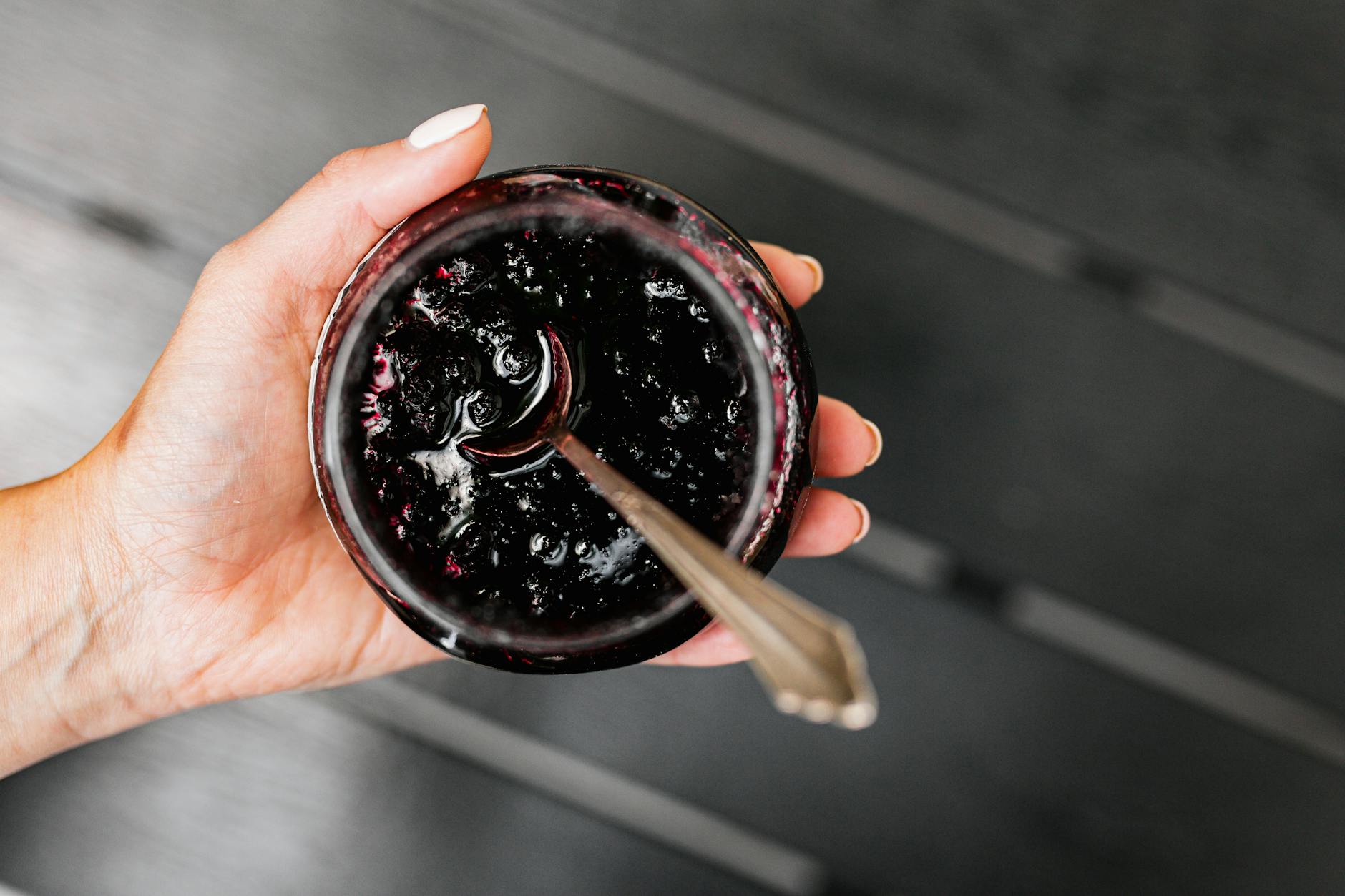
When pharmacists explain how elderberry works, they emphasize that it supports the immune system’s ability to fight viral infection, not that it acts as a decongestant. The anthocyanins and other compounds in elderberry may help reduce inflammatory markers associated with infection, but this happens gradually over days, not minutes or hours. One retail pharmacy manager explained to a customer that if you’re thinking of elderberry as similar to pseudoephedrine or phenylephrine (the active ingredients in decongestants), you’ll be disappointed—they work through completely different mechanisms. An important limitation that pharmacists highlight is that nasal congestion during a cold is actually a protective response.
Your body produces mucus and nasal swelling to trap and clear viruses from your respiratory tract. While this makes you feel miserable, suppressing it too aggressively can sometimes slow your recovery. Elderberry doesn’t suppress this response; it may help your immune system handle the infection more efficiently, which could theoretically allow congestion to resolve faster. However, this is different from the immediate relief that decongestants provide. Pharmacists also warn that some commercial elderberry products vary significantly in quality and concentration, so you may not be getting a clinically relevant dose of the active compounds.
How Elderberry Compares to Other Over-the-Counter Options for Stuffy Nose
If your primary symptom is nasal congestion, pharmacists typically recommend starting with saline nasal sprays or rinses before turning to either elderberry or decongestants. Saline solutions mechanically clear mucus and reduce swelling without any systemic effects, making them safe even for people with heart conditions, high blood pressure, or those taking certain medications. A community pharmacist described it this way: “If you’re stuffed up right now, saline spray gives you relief in minutes.
Elderberry might help you get over the whole cold faster, but it won’t unclog your nose immediately.” Decongestants like pseudoephedrine work within 30 minutes to an hour by constricting blood vessels in the nasal passage, reducing swelling directly. The tradeoff is that they can raise heart rate and blood pressure, cause insomnia, and may not be suitable for everyone. Elderberry, by contrast, has minimal side effects for most people but also doesn’t provide that same rapid relief. One pharmacist recommended a practical combination approach: use saline spray or decongestants for immediate comfort, use elderberry if you’re fighting an active cold to potentially speed recovery, and plan to address the underlying cold with rest and fluids.

When to Actually Use Elderberry Syrup if You Have Nasal Congestion
The most practical time to use elderberry for a cold-related stuffy nose is at the very beginning of illness, ideally within the first 24 to 48 hours of symptoms appearing. If you take it early and it helps your body fight off the infection faster, you may reduce the number of days you experience congestion overall. Several studies suggest that elderberry is most effective when started early, before the viral infection has fully established itself.
A pharmacist who recommends elderberry to patients typically frames it this way: “If you feel a cold coming on and you have elderberry on hand, taking it immediately might prevent the congestion from getting severe or lasting as long.” However, if you’re already three or four days into a cold with significant nasal stuffiness, pharmacists generally suggest that elderberry alone won’t solve your immediate problem. At that point, the cold is well-established, and your focus should shift to managing the uncomfortable symptoms while your immune system continues its work. This might mean using saline sprays multiple times daily, staying hydrated, and using a humidifier to ease the stuffiness. If congestion is severe enough to interfere with sleep or cause significant discomfort, pharmacists won’t advise waiting for elderberry to work; they’ll recommend temporary use of a decongestant alongside your other strategies.
Safety Considerations and Who Should Avoid Elderberry
While elderberry is generally considered safe, pharmacists note several important caveats, especially for people with certain conditions. Those with autoimmune disorders should discuss elderberry use with their doctor first, as the herb’s immune-stimulating properties could theoretically worsen autoimmune conditions. Additionally, some elderberry products contain elderflower, and there have been rare reports of allergic reactions in people with ragweed allergies.
A pharmacist at a compounding pharmacy emphasized, “Most people tolerate it fine, but it’s not a completely neutral substance—it does interact with your immune system, which is the whole point, but that means it’s not appropriate for everyone.” Another consideration is that while elderberry syrup is generally safe, some commercial products add sugar, alcohol, or other ingredients that may not be appropriate depending on your health status or dietary restrictions. People with diabetes should check the sugar content, and those taking certain medications may need to verify there are no interactions. One patient on blood thinners was cautioned by her pharmacist to check with her doctor before adding elderberry to her regimen, as there’s theoretical potential for interaction. Pharmacists also warn that elderberry is not a substitute for flu vaccination or other proven preventive measures, especially for older adults or those at high risk of complications.

Combining Elderberry With Other Natural Remedies for Nasal Congestion
Many people ask pharmacists about combining elderberry with other herbal remedies like ginger, garlic, or echinacea. While these combinations are popular in traditional medicine, pharmacists point out that the research supporting the combination is weaker than the research supporting any single ingredient. One herbalist-pharmacist explained that while there’s no particular harm in combining these ingredients, you’re essentially experimenting without strong scientific backing for the specific combination.
Steam inhalation is one complementary approach that pharmacists are comfortable recommending alongside elderberry. Breathing in steam from a bowl of hot water or using a humidifier can help thin secretions and reduce the perception of congestion temporarily. A pharmacist described a patient who combined daily elderberry syrup during a cold with regular steam inhalation and found the combination helpful, though she couldn’t definitively say whether the benefit came from one strategy or the other.
What Does Future Research Hold for Elderberry and Respiratory Symptoms
The ongoing research into elderberry continues to expand, with more studies examining its effects on specific respiratory symptoms rather than just overall cold duration. Future research might clarify whether elderberry has any direct effect on nasal inflammation or if its benefits are solely due to improved immune response. Some researchers are investigating whether certain elderberry preparations or dosages might be more effective than others, addressing the current variability in commercial products.
As evidence continues to develop, pharmacists expect their recommendations may become more specific about when and how to use elderberry most effectively. Right now, the best available guidance is that elderberry is most useful as a general immune support strategy during cold season or at the very onset of illness, not as a targeted solution for nasal congestion specifically. The field is moving toward more personalized medicine, and future pharmacist recommendations may be tailored based on your individual risk factors and specific symptoms.
Conclusion
Pharmacists generally support using elderberry syrup as part of a broader cold-management strategy, but they’re clear that it’s not a decongestant and won’t immediately relieve a stuffy nose. If you have active nasal congestion right now, saline spray or a temporary decongestant will serve you better. If you’re fighting a cold and want to support your immune system in clearing the infection faster—which might indirectly help congestion resolve sooner—then elderberry taken early in illness makes sense as a complementary approach.
The bottom line from pharmacists is practical: don’t rely on elderberry alone for nasal congestion relief, but if you’re dealing with an active cold and want to explore every reasonable option to shorten its duration, elderberry is safe for most people and backed by reasonable research. Combine it with proven strategies like saline rinses, staying hydrated, using a humidifier, and getting adequate rest. If you’re on medications or have health conditions that affect your immune system, check with your pharmacist before starting elderberry to make sure it’s appropriate for your individual situation.
Frequently Asked Questions
How quickly does elderberry syrup work for a stuffy nose?
Unlike decongestants that work within 30-60 minutes, elderberry works gradually over days as it helps your immune system fight the underlying infection. You won’t get immediate relief from congestion after taking it. If you take it at the very first sign of a cold, it might help the congestion resolve sooner overall, but not right away.
Can I take elderberry with a decongestant?
Yes, they work through different mechanisms—elderberry supports immune function while decongestants reduce nasal swelling mechanically. However, check with your pharmacist about any medications you’re taking, as decongestants can increase heart rate and blood pressure, and you’ll want to make sure combining them is safe for your specific situation.
Is elderberry safe for older adults with nasal congestion from a cold?
Elderberry is generally safe for older adults, but this population should discuss it with their doctor first, especially if they have heart conditions, take blood thinners, or have autoimmune conditions. The congestion itself should be managed with saline spray first, keeping the airways moist with a humidifier, and ensuring adequate hydration.
How much elderberry syrup should I take for cold symptoms?
Standard doses range from 1 to 4 teaspoons daily, but this varies depending on the product’s concentration. Read the label carefully and follow the manufacturer’s instructions. Many clinical studies used specific extract dosages, so commercial syrups may contain different amounts of the active compounds—check the product’s potency.
Does elderberry prevent colds, or just help you recover faster?
The research is stronger for elderberry helping you recover faster if you’re already sick. Some studies suggest it might reduce your risk of getting sick if you take it preventatively during cold season, but the evidence for prevention is weaker than the evidence for shortening illness duration. It’s not a replacement for hand washing, vaccination, or other proven preventive measures.
What’s the difference between elderberry extract and elderberry syrup?
Extracts are typically more concentrated than syrups and may deliver a higher dose of active compounds per serving. Syrups are usually more palatable, especially for children, but they often contain added sugars or other ingredients. Pharmacists recommend reading the label to understand the strength and ingredients, as there’s significant variation between products.
You Might Also Like
- What Urgent Care Docs Say About Using Manuka Honey for a Stuffy Nose
- 7 Things to Know Before Using ZzzQuil for a Cold
- Why More Singers Are Reaching for Aspirin
For more, see National Institute on Aging.