Reviewed by the Help Dementia Editorial Team — our editors review every article for accuracy against guidance from the National Institute on Aging, the Alzheimer’s Association, and peer-reviewed sources.
Fried foods sits at the center of this dementia and brain health question.
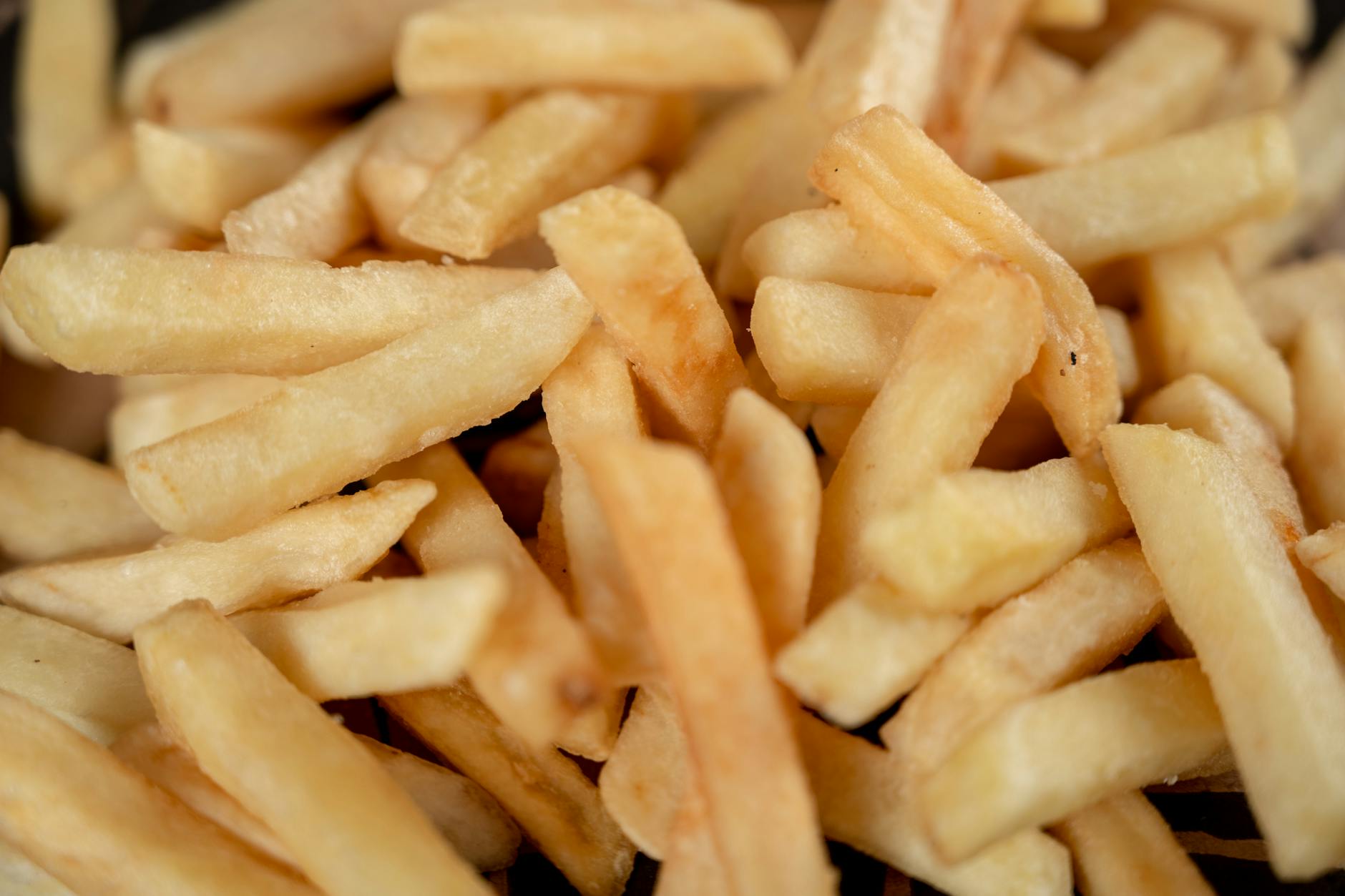
Recent research has confirmed what many health professionals have long suspected: consuming fried foods after age 55 is linked to accelerated brain aging, particularly affecting the hippocampus—the brain region essential for forming new memories. A landmark study that followed 1,647 middle-aged and older adults over approximately 12 years found that higher intake of fried fast foods was associated with faster decline in this critical memory center, alongside expansion of fluid-filled spaces in the brain, a hallmark of Alzheimer’s disease and general brain atrophy. Consider a 60-year-old who regularly eats fried chicken, French fries, and fast food burgers: their brain imaging might show changes more typical of someone in their late sixties or seventies. The concern intensifies when we examine the broader category of ultra-processed foods.
A 2026 study from the largest federally-funded U.S. brain aging research to date found that people consuming more than half their daily calories from ultra-processed foods—a category that includes many fried products—showed cognitive performance consistent with individuals seven to ten years older than their actual age. This sobering finding suggests that dietary choices made in midlife have profound consequences for how our brains age in the decades to follow. The good news is equally clear: the Mediterranean-DASH Intervention for Neurodegenerative Delay (MIND) diet, which emphasizes whole foods while limiting fried preparations, has been shown to slow brain aging by over two years. This article explores what the science tells us about fried foods and brain aging, and what practical steps can protect your cognitive health.
Table of Contents
- How Do Fried Foods Accelerate Brain Aging After 55?
- The Role of Ventricular Expansion and Hippocampal Volume Loss
- What Does the Latest Brain Aging Research Tell Us?
- What Foods Protect the Brain Compared to Fried Options?
- Challenges in Changing Fried Food Habits After 55
- How Age 55 Becomes a Meaningful Threshold for Brain Health
- Looking Forward—What This Means for Brain Health Prevention
- Conclusion
How Do Fried Foods Accelerate Brain Aging After 55?
The mechanism behind fried foods’ harmful effects on the brain involves inflammation and oxidative stress—two processes that damage brain cells over time. When oils are heated to high temperatures for frying, they produce compounds called advanced glycation end products (AGEs) and oxidized linoleic acid metabolites (OXLAMs), which trigger inflammatory responses throughout the body, including in the brain. For people over 55, whose brains are already experiencing natural age-related changes, this additional inflammatory burden appears to accelerate the deterioration process. The MIND diet study revealed that fried foods were among the dietary patterns most strongly associated with accelerated brain aging.
Specifically, the research showed greater decline in hippocampal volume and greater ventricular expansion—both markers of cognitive decline and Alzheimer’s risk. A person who eats fried foods three or more times per week may experience brain changes comparable to someone five years their senior, even when other health factors are controlled for. The cumulative effect is significant: over a decade, this dietary pattern can result in brain aging that appears to be 7 to 10 years ahead of schedule. What makes this finding particularly important is that the damage appears to be dose-dependent. Eating fried foods occasionally may carry minimal risk, but regular consumption—particularly of fried fast foods—creates a measurable acceleration in brain aging that shows up on brain imaging studies as shrinkage in memory centers and enlargement of ventricles.
The Role of Ventricular Expansion and Hippocampal Volume Loss
When researchers examine brain scans, they look for specific signs of aging and degeneration. Ventricular expansion—an enlargement of the fluid-filled spaces within the brain—is one of the most concerning. As brain tissue shrinks due to aging, disease, or poor lifestyle choices, these ventricles expand to fill the space. Studies have linked ventricular enlargement to cognitive decline, dementia risk, and accelerated brain aging. Fried foods consumption was specifically associated with greater ventricular expansion in the MIND diet study. The hippocampus, meanwhile, is where memories are formed and consolidated.
A smaller hippocampus is associated with memory problems, difficulty learning new information, and increased dementia risk. The fried foods group in the study showed greater hippocampal volume decline compared to those adhering to a healthier diet. One important limitation to keep in mind: these are observational studies, meaning researchers cannot definitively prove that fried foods *cause* the brain changes—only that the two factors are associated. Other lifestyle factors like exercise, sleep, stress, and social engagement also influence brain volume, so diet is one piece of a larger puzzle. However, the consistency of findings across multiple large-scale studies lends credibility to the connection. The 2026 ultra-processed foods study, which included fried products as a major category, produced similar results, suggesting this is not a chance finding but a real biological phenomenon.
What Does the Latest Brain Aging Research Tell Us?
The 2026 research on ultra-processed foods provides a broader context for understanding fried foods’ impact. Participants consuming more than 50 percent of their daily calories from ultra-processed foods—which includes fried fast foods, fried snacks, and many frozen fried products—showed cognitive performance consistent with being seven to ten years older than their actual age. This research represents the largest federally-funded U.S. brain aging study to date, giving it substantial credibility in the scientific community. When we break down what “ultra-processed” means in practical terms, it includes not just fried fast food restaurant meals, but also packaged fried snacks, frozen fried foods, and commercially fried prepared meals.
A person who grabs a fried chicken sandwich for lunch, fried snack chips as a snack, and frozen fried fish sticks for dinner could easily exceed 50 percent of their calories from ultra-processed sources. The study suggests their brain function would be equivalent to someone significantly older. The average participant in the MIND diet study was 60 years old at the start, and the follow-up lasted approximately 12 years. This means researchers could observe actual brain aging patterns in real time, tracking how dietary choices affected brain structure over a meaningful lifespan period. The 1,647 participants provided a large and diverse sample, increasing confidence in the findings.

What Foods Protect the Brain Compared to Fried Options?
The flip side of the fried foods story is equally important: certain foods actively protect brain health and slow aging. The MIND diet study identified berries as particularly protective—participants who regularly consumed berries showed decreased rates of ventricular enlargement, meaning their brains maintained larger structures associated with better cognitive function. Similarly, poultry consumption slowed both gray matter decline (the tissue where thinking happens) and ventricular enlargement. In fact, adherence to the full MIND diet was associated with slowing brain aging by over two years.
The practical comparison is striking: a person at age 70 who has followed MIND diet principles might have a brain that appears and functions like that of a 68-year-old, while someone who regularly consumed fried foods might have a brain resembling a 77-year-old’s. The tradeoff is not particularly difficult—choosing grilled chicken instead of fried, fresh berries instead of fried snacks, and home-cooked meals instead of fried fast food requires some planning but is entirely achievable for most people. It’s worth noting that the MIND diet is specifically designed for brain health, combining elements of the Mediterranean diet (olive oil, fish, nuts, vegetables) and the DASH diet (low sodium, whole grains, legumes). The emphasis on whole foods and cooking methods that don’t involve high-heat frying explains why it shows such strong benefits for brain aging.
Challenges in Changing Fried Food Habits After 55
One significant challenge in addressing fried food consumption is that many people have decades of eating habits ingrained by the time they reach 55. Fried foods are convenient, widely available, affordable, and often deeply connected to cultural traditions and comfort. Someone who has eaten fried foods regularly for 40 years cannot easily reverse those habits, and the brain damage from years of consumption may already be underway. A warning worth noting: even if someone quits fried foods at 60, the accumulated damage from years of consumption doesn’t disappear, though further acceleration can be prevented. Another complication involves the widespread availability and marketing of fried foods, particularly at chain restaurants and fast-food establishments that are ubiquitous in many communities.
For people with limited access to grocery stores offering fresh produce, or those on fixed incomes, fried foods may seem like the most practical option. Transportation, cooking ability, and food storage also play roles in dietary choices that are sometimes overlooked in discussions of brain health. Additionally, not all fried foods carry equal risk. The type of oil, the cooking temperature, and the food being fried all matter. Fried foods made with certain oils and at lower temperatures may be less inflammatory than heavily fried items prepared at extreme temperatures. However, the safest approach for brain health remains minimizing fried food consumption overall, particularly after age 55.

How Age 55 Becomes a Meaningful Threshold for Brain Health
Age 55 represents a period when brain aging often accelerates. Cognitive decline becomes more noticeable, and neurological changes that have been occurring gradually for years begin to compound. For women, this period often coincides with perimenopause and menopause, which involve hormonal changes that affect brain health. Men experience gradual testosterone decline.
Both sexes show increased vulnerability to neurodegenerative processes around this time. The MIND diet study specifically recruited middle-aged and older adults with an average age of 60 at baseline, capturing this critical period. The research suggests that the years after 55 represent a window where dietary choices have particularly potent effects on brain aging trajectory. Starting to reduce fried food consumption before this age may offer even more protection.
Looking Forward—What This Means for Brain Health Prevention
As our understanding of diet’s role in brain aging deepens, it becomes increasingly clear that preventing dementia and cognitive decline is not primarily a pharmaceutical challenge but a lifestyle one. The evidence linking fried foods to accelerated brain aging adds another compelling reason to address dietary patterns, alongside emerging research on sleep, exercise, cognitive engagement, and social connection.
The research trajectory suggests that future studies will likely identify other specific components of fried foods—or other ultra-processed foods—that drive brain aging. In the meantime, the current evidence is robust enough to warrant action. For anyone over 55 concerned about cognitive health, reducing fried food consumption from whatever current level they have represents a concrete, actionable step toward slowing brain aging by potentially years.
Conclusion
Fried foods consumption after age 55 is tied to faster brain aging, including decline in hippocampal volume and expansion of brain ventricles—both markers of cognitive decline and dementia risk. Recent large-scale studies show that people consuming more than half their calories from ultra-processed foods (which include fried products) show cognitive function equivalent to those seven to ten years older than their actual age. The MIND diet, which emphasizes whole foods and avoids fried preparations, slowed brain aging by over two years in a 12-year study of 1,647 adults.
If you’re 55 or older and concerned about your cognitive future, reducing fried food consumption represents one of the most evidence-based dietary changes you can make. This doesn’t require dramatic restriction—even moderate reductions from current levels can slow the acceleration of brain aging. Alongside physical exercise, cognitive engagement, quality sleep, and social connection, dietary choices offer a powerful tool for maintaining brain health through the years ahead.
You Might Also Like
- sugar Consumption After Age 60 Tied to Faster Brain Aging
- seed oils Consumption After Age 50 Tied to Faster Brain Aging
- refined carbs Consumption After Age 50 Tied to Faster Brain Aging
For more, see National Institute on Aging.